
Bruce Michael Miller; Heather Platts
Interviewee: Bruce Michael Miller; Heather Platts
Interviewer: Johanna Bringhurst
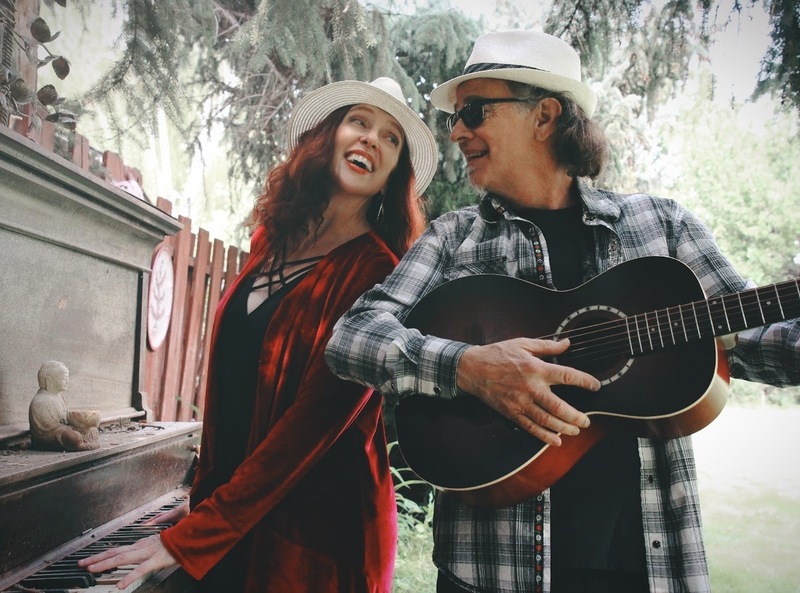
Description: This special episode of Context is dedicated to families impacted by organ donation. Johanna is joined by Heather Platts and Bruce Michael Miller, the musical duo Crazy Love. Heather donated a kidney to Bruce, and together they created an album to share their story and inspire others facing the organ donation process. Heather Platts is a passionate performer whose style is reminiscent of Bonnie Raitt and Grace Potter. She earned a BA in Music Composition from the University of Idaho in 1996 and has released two albums recorded in Nashville. She has performed at the Boise Music Festival, Thousand Springs Festival of Art, Sisters in Songwriting Concert Series, and the inaugural Chick Singer Night in Boise. Heather teaches voice, piano, and songwriting in Twin Falls. Bruce Michael Miller is an award-winning songwriter, producer, and guitarist who has toured with Paul McCartney, Kenny Loggins, and Laura Branigan. A professional songwriter for 25 years in Nashville, he has had over 40 songs recorded, including a No. 1 international hit with country artist Ashley Puckett. As a songwriting consultant and educator, he has mentored writers on over 14,000 songs and was a professor at Nashville State College. Since relocating to Idaho in 2017, Bruce has embraced the region’s landscapes and community. As president of the Idaho Songwriters Association, he teaches songwriting workshops and works with private clients. Heather and Bruce perform throughout the West as Crazy Love and are part of the Inquiring Idaho program.
Date: 2024-04-04
Topics:
The visual topic map is hidden for screen reader users. Please use the "Filter by Topic" dropdown menu or search box to find specific content in the transcript.
Johanna Bringhurst: Hello everyone, and welcome to context. This program is brought to you by the Idaho Humanities Council with funding from the National Endowment for the Humanities. The views expressed here today do not necessarily represent those of the RHC, where the NIH. My name is Johanna Bringhurst. And joining us today is Heather Platts and Bruce Michael Miller. And together they are the musical duo Crazy Love.
Heather Platts is a dynamic performer who holds back nothing in her performances and sings with the heart and passion of women like Bonnie Raitt and Grace Potter. She received a B.A. in Music Composition from the University of Idaho in 1996. Heather has released two full length albums of original songs produced and recorded in Nashville. She has been a featured performer at the Boise Music Festival, Thousand Springs Festival, a festival of art sisters, and songwriting concert series, and the inaugural Chick Singer Night in Boise and towards extensively with her duo Crazy Love.
Heather also teaches voice, piano and songwriting at her studio in Twin Falls. Bruce Michael Miller is an award winning songwriter, producer, and world class guitarist who has toured and performed with Paul McCartney, Kenny Loggins or Brannigan and John Densmore from The Doors, as well as many others. He is a professional songwriter who spent 25 years in Nashville, where he'd had over 40 of his songs recorded by performing artists, including a number one song internationally with country artist Ashley Puckett.
He is a songwriting consultant and music educator who has mentored songwriters on over 14,000 songs. As well as having been a songwriting professor at Nashville State College. Bruce relocated to Idaho in 2017 and immediately fell in love with the unique landscapes and friendly and laid back residents. Currently the president of the Idaho Songwriters Association, Bruce teaches songwriting workshops as well as working with private clients.
Heather and Bruce travel around the West performing together as Crazy Love, and they're also part of IHC's Inquiring Idaho program. If you are interested in having them speak and perform for your organization at no cost, you can find out more on our website at Idaho humanities.org. Heather and Bruce, thank you for joining me today to share your story.
Bruce Michael Miller: You thank you. And I have to do one little thing because my computer's asking me to click that we have permission to record.
Johanna Bringhurst: Oh, good.
Heather Platts: It's a big block right across your system. You look much better now.
Johanna Bringhurst: Always those things that hit us at the beginning. So good. I'm glad to collection.
Bruce Michael Miller: I'm currently the vice president of the ISA. I was president, but I'm, We have a new president now, so.
Heather Platts: Yes.
Johanna Bringhurst: Okay, great. Yeah.
Heather Platts: We always joined the board of the ISA
Bruce Michael Miller: Right. And you're are you the head of education or.
Heather Platts: I am, yes, the head of the education, section of the Idaho Songwriters Association, because that's definitely something that we're looking to do with the Idaho Songwriters Association is get more young people involved with the songwriting. So that's that's going to be fun to.
Johanna Bringhurst: Yeah, that's an amazing goal. I'm so glad to hear it. So can we start with a little music? You produced an album together about your experience with organ donation. Would you share with us one of the songs that you wrote for the album The Big Give?
Heather Platts: Yes we will. So we're going to be sharing our, title track to the album. This song is called The Big Give.
I got troubles of my own.
Heavy burdens I long to lay down. But you'll need it too. And it's got me taking.
A hard look around at the room inside my heart for love. And of what I might be capable of. It's a big, big give. But it's nothing compared to the life you'll live. All I have is a spark of the dark of your night. And I know you're going to make it. It's a big, big give. And I'm gonna take it.
Bruce Michael Miller: I've been living in fear for so long. Staring into that great dark unknown.
Out of nowhere.
Give me answer to all of my prayers. I don't know how I will ever repay, except to live life every day, it's a big big give. But it's nothing compared to the life you'll live on. All I have is a spark for the dark of your night. And I know. You're gonna make it. It's a big, big give.
I'm gonna take.
Bruce Michael Miller and Heather Platts: It.
A second chance for me, a second chance for you.
And if you came to me. To make your life come true.
It's a big, big give but it's nothing compared to the life you live.
Bruce Michael Miller: All I have is a spark.
Heather Platts: For the dark of your night. And I know you're gonna make it. It's a big, big give. But it's nothing compared to the life you'll live. All I have is a spark for the dark of your night. And I know you're gonna make it. It's a big, big give.
Bruce Michael Miller: And I'm gonna take it.
Heather Platts: And I'm gonna take it.
Bruce Michael Miller and Heather Platts: We're gonna take it.
Johanna Bringhurst: Yay! That was so beautiful. Thank you so much for playing for us.
Heather Platts: You're welcome.
Johanna Bringhurst: Your story is really so much a love story. Would you tell us how you met and how you fell in love?
Heather Platts: Well, let's see.
Bruce Michael Miller: Well true story if you want that.
Heather Platts: That it's kind of cool because, you know, really, we met and fell in love through music. which I think is a part of our connection. but we met initially, you know, when I was, you know, learning more about songwriting and just, you know, I mean, as songwriters, we're always trying to be better at our craft. And I met Bruce, who is an amazing, amazing educator.
And, we just started working with my songs. And of course, he's a producer as well. And so, you know, he wanted to produce my album and help me record it. And so I went to Nashville and we ended up recording two, two of my albums. And that was when Bruce was still in Nashville. but over the course of that process, we really kind of really connected, and fell in love really through music.
Bruce Michael Miller: So. Well, yeah, I fell in love with with the music first because, I recognized what a talented songwriter Heather was because we worked together for about a year and she kept, every month we would we would go on it was Skype, and we would Skype for an hour and it would turn into two usually. And Heather would play me a new song or and, and usually, we would, be working on another song too.
So after about a year, I thought, wow, you know, she's a really talented songwriter. And I thought, well, I suggested that we pretend that Heather was going to make an album in Nashville and that I was going to do the tracks, and then she would come sing. And so just.
Heather Platts: Simply to try and lure, you know, I was, I, you know, I had two kids and I was a mom. I was busy, you know, and so it's kind of like when you get to this other stage of your life, you're kind of, oh, I don't know if I can do this. Bruce is very good about working people out of their shells and say, well, let's just pretend we.
Yeah, let's let's just pretend.
Bruce Michael Miller: Yeah, let's get ten songs that are that are album ready. And, one of the things that that, when I was producing a lot of song demos in Nashville, people would submit these songs that were just not ready, you know, but they wanted to, they wanted to record them because when you have a great Nashville band, your song, and, you know, a demo singer, the songs sound great, but they're not.
They're just not songs that are ready for the market. They're not up to professional standards in a lot of ways. So I would always encourage people to really work on their songs before they spend $1,000 to have them produced professionally. So that's what we did basically over the course of the year was we just honed her songs. Well, Heather did it.
I just said this here's where I'm not feeling it, here's where it's going. You know, going south, where it should go north. And so and then we had and then so I worked on the tracks, for probably ten months. And I was just falling in love with the music and, and then Heather came and we met in person.
And that's kind of when our relationship started. So,
Heather Platts: Yeah, but it was it wasn't easy.
Bruce Michael Miller: We both had families and yeah, there was a lot of confusion and craziness at times.
Heather Platts: But, you know, Bruce coming to Idaho was really, you know, it it's been a real magic thing for just Idaho because through the CSA and through as you as you just heard, you know, his love of teaching, the craft of songwriting. we in Idaho, you know, we're so far away from that world of Nashville that it's almost like, well, we just brought Nashville to Idaho, and now and now we get to kind of utilize this, the this gift of, Bruce and all of his, his knowledge and his experience.
And, that's been really fun. And then for me personally, having Bruce come to Idaho, you know, I mean, if when you lived in Idaho for a long time, you, you, you start to take it for granted. So much of the nature and the the wilderness and the people, the incredibly friendly people. And so for me, bringing Bruce here from Nashville and kind of rediscovering Idaho has been such a gift for me because, you know, he just loves it here and was just enamored by the whole experience.
Bruce Michael Miller: And so wide open space.
Heather Platts: I know all of it. So the.
Bruce Michael Miller: Lack of green, well down here anyway, up north it's.
Heather Platts: The geology.
Bruce Michael Miller: Yeah, the geology is amazing here. And, it's just different. I was in Nashville for a long time, and it was time to change, to change my whole life. So really, that's what happened?
Heather Platts: Yes. And I mean, I think many people are discovering Idaho, you know, in a new way. But the wonderful thing about, you know, being so close to someone who's discovering Idaho is just, you share in that magic, you know, and that rediscovery and that appreciation for what we have.
Bruce Michael Miller: And, yeah, this year we're going to, base jump off of Perrine Bridge.
Johanna Bringhurst: Oh, my word, are you really.
Bruce Michael Miller: You know, we're not. I just made that up.
Heather Platts: Okay? I was like, for.
Johanna Bringhurst: A slight heart attack over. Oh, we.
Heather Platts: Might we might go watch some other piece.
Bruce Michael Miller: Yeah, we've done that.
Johanna Bringhurst: Definitely watch other people. Yeah, yeah. So, so, Bruce, how long had you been out here in Idaho before you started experiencing symptoms and health issues?
Bruce Michael Miller: well, I had I had, chronic kidney disease for really a long time, asymptomatic. So I knew I had it, because of tests, you know, like, you know, different blood markers and, you know, taking really good care of myself. And I was asymptomatic. I had a couple doctors say, you know, this was going to happen.
You know, you're going to get to the point where your kidney function is so bad that you're going to have to, you know, get a kidney or go on dialysis. So, you know, I was in denial about it, a bit, but I was also being a little proactive, too. I'm kind of a alternative medicine guy, so I was using a lot of Chinese herbs, and I think we're helping me to stay healthy.
Actually, my doctor said that it was, kind of a miracle that I was even standing, with what my kidney function was. It was, like down to under 10%. And so, it was may be, what, a year? Yeah, yeah. So a year before I went to, I found a doctor here, a nephrologist, which is a kidney doctor.
And and Heather came with me to my appointment and she said, you know, you're in end stage renal failure, and you need to, like, start looking at.
Heather Platts: Yeah. that's what his doctor and.
Bruce Michael Miller: Dialysis and and so, you know, actually.
Heather Platts: January of 2019 that was.
Bruce Michael Miller: Yeah. Right. And and Heather, she's been amazingly supportive and, you know, was coming to all the doctor's appointments. And I think realized, you know, that I needed, I mean, I knew I needed a kidney. We knew that that point.
Heather Platts: So I knew he was sick. But, you know, the doctor basically said you have three choices, right?
Bruce Michael Miller: Right. And so dialysis, kidney transplant or just die.
Heather Platts: Or just write it out, you know, and then, so that was a really shocking moment for me because, you know, while dialysis is a really important, you know, option and necessary and keeps people alive, looking at the logistics of dialysis for someone like Bruce, who is a traveling musician, it basically meant he would have had to completely give up that livelihood.
And that was really shocking.
Bruce Michael Miller: and, I'm hypochondriac.
Heather Platts: Yeah.
Johanna Bringhurst: There's I don't know.
Bruce Michael Miller: But I don't know if I would have been able to have I really don't I mean, I.
Heather Platts: Would have been.
Bruce Michael Miller: Yeah. It's like so I get very anxious about things, you know, about like dialysis is, is is heavy. People don't realize how intense it is and how much it dominates your life once you are doing it.
Heather Platts: So and and the fact that, you know, a lot of people don't, you know, people that have kidney failure, it's most of the time not by any choice that they've made in their life. It's just something that they have. And even someone like Bruce, who is so health conscious and took such good care of his body at a certain point, the kidney patient will get to that choice where they have to make that choice.
So it's not, I think a lot of people misunderstand. Well, you know, maybe they don't take care of their bodies. No, I mean, most people get to that choice and make the decision of dialysis. Not I mean, well, let's try to decide live, you know.
Bruce Michael Miller: Let's decide for it. Yeah. It's like you die or dialysis and we'll get you on the the kidney donor list. You know, which out actually out here is not as bad. It's not as bad. It's like 3 to 5 years people are waiting for transplants, for the organs to come available. But like in Nashville, it was it was seven, 5 to 7.
If you live in LA or any big population center, it's can be up to ten years. And you know, down very hard on the body. So yeah, I think someone said that for every week you're on dialysis, it shortens your life by a day. So it's like.
Heather Platts: Yeah. So we back to that. That day in January of 2019, we were kind of leaving that doctors appointment. And for me that was that was like that moment. I was like, oh my gosh. You know, Bruce's technically dying. You know, just that awareness was, was was a bit of a shock for me. and so, you know, of course, Bruce is personality is just all, you know, crack a joke.
It's all fine. It's going to be fine. but. So later that night, you know, I couldn't sleep, and I got up and I googled the words kidney transplant because I had no idea what that meant. I knew there was a waiting list you could get on. but. So I googled kidney transplant, and I found out some amazing facts.
first of all, in the United States alone, there are over 100,000 people on the donor waiting list. And of that, every year, only about 22,000 receive, a life saving transplant. So, to me, that was just shocking. The level of need. I mean, I just I had no clue about this world, you know, that so many people live in, and like Bruce said, in Idaho, in Idaho, and the average wait time is about five years.
And this is a shocking, fact that every day about 13 people die waiting for a transplant.
Bruce Michael Miller: Except for kidney. Or is that for any sort of or.
Heather Platts: Any,
Bruce Michael Miller: Yeah. Interesting, as Idaho does not have a transplant center. So we had to go to a University of Utah, medical center to get to just, you know, that's where they do the transplants. and so that's where the, you know, Idaho does even have a waiting list. I mean, you have to go down there because we still have a population and, you know, and the doctors to support it here.
Heather Platts: So so then I googled the words that would change our lives how to become a living donor. And I landed on the website for the National Kidney Foundation. And across the top of the screen it said the big ask the Big give a conversation to save a life. And from there, you know, I well, I was a big I mean, obviously that's the title of our album, man of our song The Big Give.
and from there I it just kind of organically happened. I started to look into it. we took lots of, you know, tests. a lot of people don't, don't I guess they don't understand how, well, at least what I like to share with people as a donor is how much they take care of the of the donor.
Like, it's not like you just walk in and say, I want to donate my kidney. They're like, oh, cool. You know, we'll take it. Yeah. I think they put you through so many tests. I mean, they you you have to be, incredibly healthy. You have to have a stable emotional life. I mean, all of these things that.
Bruce Michael Miller: She lied about, that.
Heather Platts: right. Yeah. So, you know.
Johanna Bringhurst: That's pretty and that's.
Heather Platts: It's it's it it takes a lot. And, they.
Bruce Michael Miller: Also want to make sure the person's not being coerced, like. Yeah, you know.
Heather Platts: Yeah.
Bruce Michael Miller: So your kidney for, you know, move out.
Heather Platts: But that thing. But the nice thing about it is that you can you can research it, you can look into it, you can start asking questions without any pressure. And at any point along the way you can step back. You know, I, I never felt any pressure. I never felt any, coercion. I never I never felt anything like that.
I just felt celebrated and encouraged to do what was right for me. And so I always like to express that to anybody who's curious about donation or has ever wondered about it, or has a family member or friend, that it's really something. There's a lot of baby steps involved and.
Bruce Michael Miller: And there's only a few organs you can donate life like have living donors. Obviously you can't be a living heart donor.
Johanna Bringhurst: No.
Bruce Michael Miller: You know, they don't know about. And I don't know why. so, yeah. Kidney, liver. You can donate part of your liver and still and still live. but the all the other donation, all the other, solid organ transplants are from, cadaver donors. So that's why, you know, the waiting list is long.
Heather Platts: And and so, the the great thing about having a living donor, in other words, someone who chooses to participate is that, you know, you ensure that the process is healthy. You also get a choose the time, you know, I mean, I teach and we do things. So it's like it was almost like scheduling a gig, right? Well, let's shoot for August.
Yeah.
Bruce Michael Miller: Really try to get that date.
Heather Platts: Yeah. Let's let's throw in a donation.
Bruce Michael Miller: August 6th, 2019.
Heather Platts: That's right.
Bruce Michael Miller: We fit, the most expensive date. I agree.
Heather Platts: Right. she it is.
Johanna Bringhurst: How long? How long did you have to prepare? And what was that process like for each of you as the donor and the recipient? What do you have to do to prepare for the surgery?
Heather Platts: do you want to talk about the donor or about the recipient first?
Bruce Michael Miller: Well, yeah, I mean, recipients, obviously, you know, hospitals have, you know, they have statistics and data. So they can so they can have strong programs, and get, you know, grants and donations from people. So, you know, they want to make sure that people who you have to be healthy enough to be able to survive the surgery, obviously, you know, some of it is based on your age, but most of it's based on your your physical health.
Like if you're, you know, morbidly obese, they don't I mean, you have to lose a certain amount of weight. I didn't have to do that. they want to make sure you don't have cancer, that you don't have, you know, any kind of illnesses that will, be impacted by the surgery and also, you know, they want to make sure you got a little bit while, you know, if you get a kidney because they're kind of so precious.
So, Oh, it's weird. I was just looking this up because I was. This is just how I think. But I was thinking, okay, so I wonder how long, how much longer do I have statistically to live with the kidney I have?
Heather Platts: Oh, so you just recently did this?
Bruce Michael Miller: I just recently did this. Yeah. so, if you, for a cadaver donor, 10 to 15 years is the average that organs will last for, getting a living donor 20 to 20 5 to 30 years. Your your transplant will last. So.
Heather Platts: And that that's that was another thing that I found out in my research that the value of a living donor.
Bruce Michael Miller: Yeah, the surgeries are much simpler. people recover a lot better. The kidneys actually, generally just start working right away. Whereas in a cadaver donor, sometimes they call it a sleeper kidney. You know, it could be a month or two months before the kidney wakes up. And so you don't even know if it was successful, you know, for a couple months which which to me would be just so hard to, to, you know, to, to just abide with during that time.
But, so, yeah, I mean, I was so lucky that and, you know, the percentages of, of finding a match is not, you know, it's kind of miraculous that Heather and I turned out being a match, you know, so that said that her kidney would not be rejected. yeah. So there's a certain factor, you know, certain markers.
Heather Platts: Yeah. So it it is very involved. But,
Bruce Michael Miller: It wasn't that hard, though. I mean.
Heather Platts: Yeah.
Bruce Michael Miller: We had to go to the hospital a couple times for tests.
Heather Platts: But everybody involved in the process, the doctors, the nurses, the, you know, surgeon, everybody is, you know, you're educated about every part of it. And so that was very gratifying. Yeah. I mean, we got to do it. He had his own coordinator. I had a donor coordinator who, like, her job, was to take care of me. And it was totally separate from Bruce, you know.
So again, that idea that this is your choice, this is your decision, your life, we are with you. Whatever decision you make. I just always felt supported and and really celebrated, you know? So, that part of it is was surprising for me. I didn't expect that. And I, I appreciate that about the process.
Bruce Michael Miller: Yeah, I still have my coordinator and yeah, I wear her out sometimes, especially when I get if I get sick, like I'm just getting over cold now. because I take, I take medication that suppresses my immune system. So if I get a cold, you know, it's like, I don't know how bad it's going to be. Like, Heather had the same cold, got over it in a week, took me three.
So, it's a little nerve wracking sometimes, but, you know, I'm fine.
Heather Platts: Yeah. And that's the thing. I mean, as that's another part about becoming a recipient, is that you have to agree to take these, take.
Bruce Michael Miller: Your meds and that's, you know, that's weird because that's the number one. You think about all this stuff you have to go through to get a transplant. And like the number one, cause of, of rejection of an organ is people not taking their medication, which is kind of like, you know, you've I've been gifted and blessed to have more life and not have to go through dialysis.
And I'm not going to take the medication, that just seems like crazy, you know? So that's why one another reason why they, you know, they want to be sure that people are going to be, compliant with the, you know, the protocols. And I push the boundaries because I think, you know, sometimes, you know, doctors are very they're very focused on their field of endeavor.
And so I think, well, guess what? I can do things to stay healthy that you guys don't even think about. You know, that won't affect my kidney, the transplant. So, you know, I'm, I'm what they call squeaky wheel in this whole process, I don't I don't take, you know, I don't take things as gospel. I, I always, you know, try to find out if there's a something that's better or something that doesn't, you know, because some of the medication has, you know, can have, negative, side effects.
I'm lucky. I haven't really had any. Yeah. with the medication, you know, so.
Heather Platts: And and the transplant. Really? Well, so.
Bruce Michael Miller: Oh, yeah. Yeah.
Johanna Bringhurst: I'm very curious about what it is like to determine if you are a match for someone other. What did you have to do to find out you were a match for.
Heather Platts: Okay. So the process it first begins with a lot of personal questions about, you know, for the, the donor. So, before they kind of get you into all the medical things and all the testing, they really want to get a sense for where you're at emotionally and why you want to do this, and which I think is great, you know, because it does involve some testing the, the, the, I guess the most challenging part of it as going through the process and going through the testing is the potential to find out that things are wrong with you, right?
It's like most of us don't take all of these tests and, you know, maybe we do at certain ages, or maybe we have a problem and then we go test something. But normally if you're healthy and everything's going great, you don't go and say, okay, I want you to test every fiber of my body and make sure I'm perfectly healthy.
So they kind of let you know, you know, hey there. You know, can you be aware, you know, if we uncover something, we're going to let you know. And so that part of it was a little bit nerve wracking.
Bruce Michael Miller: Well, this is interesting because they want, consider you as a donor, right. Unless you have insurance.
Heather Platts: With that too.
Bruce Michael Miller: Because if they find something. So let's say they did tests on Heather and found out she had, you know, God forbid, cancer and then once they find, you know, if they find out you have a medical condition, they have to treat it by legally. Yeah. and so that was something I didn't even know. Now when once they have, once the transplant happens, the, the recipient's insurance covers everything.
It covers all of Heather's expenses and her surgery and hospital stay and mine. But until that time, before the transplant, it's like before we're a match and it's all approved. She's kind of on her own mentally.
Heather Platts: So that that is something.
Bruce Michael Miller: So I didn't didn't.
Heather Platts: Know, you know, have, insurance for that. So, you know, that kind of makes you nervous. It's in the back of your mind. But, and if all of a sudden you. So I did have to do mostly in the beginning. It's blood tests. You just take a lot of these blood tests and, one of which is finding out if, you know, our blood types are mostly.
Bruce Michael Miller: Yeah, mostly is they do it through blood work to match you to see because that's where all of that secret stuff goes on, you know, between the white blood cells and the immune systems of the two people.
Heather Platts: yeah. So most of that stuff you can do wherever you are, I mean, even though we don't have a kidney, you know, hospital here, you can do all that at your local hospital. And so as we started going through this process and I would get more and more feedback about, okay, well, this looks good, this looks good, this looks good, this looks good.
You know, you have to do certain things. You know, you have to get your mammogram. And I mean mostly there things that are good for everyone to do anyway. Right. Just to make sure you're healthy. So then once you get through that process and they and they and they figure out that you're healthy and you are a match to possibly donate to this person, then you get to go spend one day at, the hospital where they would do the surgery.
And so in our case, we went to Salt Lake City and at the University of Utah Medical Center and they just run you through a bunch of tests, they run you through some exercises. They it was kind of a funny story that.
Bruce Michael Miller: Was funny because they at the last minute, we were actually on our way back to Twin Falls and, and I guess you talked to the coordinator and she said, the doctors want you to do a stress test. You know.
Heather Platts: One of my numbers was high.
Bruce Michael Miller: So, so we're going, now, you could come back next week, but if we'd come back the next week, it would have pushed the surgery date back.
Heather Platts: Yeah.
Bruce Michael Miller: We like a month because they meet every month to decide who gets approved. And so and Heather didn't have sneakers.
Heather Platts: So we had some firms. It was like, yeah, I have my sneakers. And part of the part of the, you know, actually, yeah, you have to run on a treadmill and they hook up this, you know. Oh, like.
Johanna Bringhurst: Actual serious physical stress here. Okay.
Bruce Michael Miller: Last minute stress tests on the way again.
Heather Platts: And of course, again, this is why they were so great. Our coordinator, my coordinator Teresa, was just like, okay, well you know, they do find.
Bruce Michael Miller: A place let's.
Heather Platts: Kind of place. So she called all over and she found a place. It was over. it was outside. it's not.
Bruce Michael Miller: Like Logan or I don't know.
Heather Platts: Yeah, a little bit outside. Okay. We found a place you could do this today, like 30 today. Okay. We have 30 minutes. We can run, grab some tennis shoes, you know, like we. So we started this at this mall and found a pair of tennis shoes so that I didn't have to do my stress tests in my doubles.
Bruce Michael Miller: But see, Heather wasn't allowed to drink coffee that whole day.
Heather Platts: Oh, gosh, that was the worst part.
Bruce Michael Miller: And so.
Heather Platts: Oh my gosh. Yes.
Bruce Michael Miller: And so that was like another, what, two hours before you could drink coffee.
Heather Platts: Yes. Yes. That was and so I had to run and do a stress test without any caffeine in my system that you did so and I passed. So you clearly.
Johanna Bringhurst: You had a.
Heather Platts: Healthy person. I.
Bruce Michael Miller: I'm up on adrenaline, so.
Johanna Bringhurst: I'm curious also about what it felt like to be going through this experience together. You know, I don't think it's uncommon in couples for someone to have a medical emergency or a surgery, but it's very different for you to both be doing it together and to be so intimately connected in the experience. How does that affect you?
Heather Platts: you know, for me, as the as the donor, you know, obviously there's the initial feeling. Well, first of all, it's personal. You know, I love this person. I don't want to lose this person right. So that's kind of a catapult to finding out the information and saying, okay, you know, and there's kind of a moment it's like where you're blind to all of those other aspects.
So people on the outside looking in, they're like, well, you know, I mean, I had to tell my kids, right? I have kids and I had to tell them, I'm going to be doing this. And of course, to them, you know, they like Bruce fine. But they're you know, it's not like, well, surgery and.
Bruce Michael Miller: Yeah, you're risking your life for this.
Heather Platts: Guy, you know? So, son, it really wasn't until I, until I was confirmed to be able to donate. And I got to make the choice. Okay? You're good to go. Should we book this date? You know, then I started sharing it with other people. And that's when it became real to me. Because these people, you know, they weren't seeing out of my rose colored glasses, which is just.
I'm just got to keep, you know, save this life, you know, because I care about him and, you know, selfishly, I don't want to lose him. But it was actually really amazing because in order to have those words, to tell someone, you know, when they say, well, why are you doing this? You know what? Why you have kids.
You know what if what if something happened to you and and how do you justify that? And so for me, it was really thinking it through. And getting to that point is kind of what the song The Big Give is about. You know, I mean, you know, I, you know, I got a life, I got troubles, I got concerns, but, you know, in the face of someone potentially losing their life, what does that mean for me to potentially give it.
And so as a parent, that was a real moment for me because I wanted them to see that I wanted I wanted them to see that someone could have that superpower of maybe putting themselves in that position to save a life, you know, and it's like, okay, yeah, you can make that decision. I'm going to make sure that my kids, you know, are safe and sound and have a roof over their heads.
And, you know, that's fine. But here I can show them the power of love and to transcend death. It's like, well, I think I want to do that. You know, that's a pretty big deal. And so that's when it really started to become more of a, a, a trend transcendence for me as a donor to, like, wow, I'm starting to change, right?
I mean, you donate your kidney to save someone's life, but everyone that I've talked to who is a donor has had this same kind of experience of it almost saves their own life because they kind of achieve a certain level of awareness about life and about love and about our ability to have that kind of power in the world, that kind of it takes it up to 11, you know, it's like your life is elevated a little bit.
So.
Bruce Michael Miller: So as a songwriting teacher, and I'm thinking about when we were writing the song and of course, I heard Heather, Heather was in here. you can't see the grand piano, but I heard her playing this chorus, the big give and and I just thought, I need to get in on this song. And so I came in and said, what do you think about, me writing the second verse from my point of view as the recipient and the kind of the trick, the trick in the song, the thing for me that makes it really work is that when when you say it's a big, big give and I'm going to take it is kind
of the opposite, you think the opposite. It's a big give. And so what Heather was talking about how it changed her. It's like she was going to take that opportunity to give something, and I was going to take the opportunity actually to take something which, if you flip it around, was me. I know this sounds a little forced, but giving Heather the opportunity to to actually do something like that for me and, and it wasn't easy for me to, you know, I mean, to have someone, you know, risked their life.
I mean, you know, I mean, the success surgery is very successful. It's not like a tricky, but there is the potential, you know, of something going wrong. So for me to be able just to surrender, I had to surrender to everything because I, I am, you know, I have PTSD about hospitals and doctors, you know, from bad experiences, you know, when, you know, when I was younger and so I had to completely surrender to that, you know, I'm going to go in here and trust doctors and anesthesia and medicine, which I never took medicine.
So it was a really interesting, you know, it's one of those kind of life for me. Also, life changing experiences, you know, want to have someone who cared about me enough to want to make that sacrifice and go through that, you know, number two, for me to surrender to this whole system of medicine that I was, that I had great fear about, you know, just just the thought of it was crazy, you know, and and then one of the things that we, you know, we do the big in the big year, we have a bunch of songs, one of the songs is called, Ray of Hope, and Ray of Hope is about someone
that we met along the way in this journey and that that's the cool. One of the coolest things about the whole experience was who showed up for us, you know, and we had I had like an what do you call it on Facebook? yeah. What do they call a donation anyway? It was, you know, we just posted that, you know, I knew I was going to be out of work for three months because that's kind of a recovery period.
And and so we had, a giving campaign on Facebook and, I can't say how much we made for tax reasons, but yeah. but it was phenomenal. I mean, people, the very first, I mean, of.
Heather Platts: All.
Bruce Michael Miller: Of of people of all ages, professions, probably half of the people that donated to us, I didn't even know who they were, you know, and and being generous, you know, amounts of money came in and we were like, I was so humbled by that. Yeah. The fact that people cared and yeah, you know, and wanted us to go through this together and wanted to help.
Heather Platts: So. Yeah. And if I might add. So, being on the outside, seeing Bruce go through this, part of the reason most people didn't realize how sick he was is because he's one of those people that just he handles everything, you know, and everything's a joke, and life's good. And, you know, people didn't were aware of the fact that he was he was sick.
And so for me, seeing him go through that process of like, okay, I have this and I need help, right? That was kind of, a transition for him as well, because like what he says, he wanted to be in charge of everything just to surrender to that. I think.
Bruce Michael Miller: It's a guy thing. Well, I think, you know, it's it's really a personality thing. You know, there's plenty of women out there that. But they keep things hidden or don't talk about it, but. And more than men, actually.
Heather Platts: But, you know, like most things in life, you know, you have the specifics. Oh, well, a kidney donation. Wow. That's amazing story. But, you know, like all things, it's not just about that. And our show and our songs that they give. And when we share our stories, it's really about this other part of the story, about all the threads of people that come together, you know, the the help and the love and the care that's out there that oftentimes we don't know about until we get into these positions of being so vulnerable and, and needing something and as hard as those times can be, they are so important in the fabric of we as human
beings, you know? And so being able to share this story and this experience, not only just through words but through music, because that's what lucky us we happened to be. I think is it's really about sharing that, you know, we we don't want this to be just about someone donating a kidney. Yes. We want to show people about this, but we also want to just remind people of many, many ways that we give to each other as human beings and how important that is.
Bruce Michael Miller: Yeah. And for people listening, you know, out there to this, you know what I think? You know, we we live in a, in an era, we live in a, you know, in a country and a world where, it's, you know, all the news that we hear has a real negative bias because, you know, that's what sells stuff.
And the truth is, and what we've found out is that, you know, people are very connected and we are not nearly as divided as, you know, as they would have us believe. Because, you know, I mean, we have fans of all political jokes, of all races of all, like I said, ages, you know, gender choices. And so it, it this, this story between us is really kind of the human story.
And it, it brings out the tendency that we have as human beings to be kind. You know, we are kind, you know, as you know, as as bad as people seem when you look at, you know, what's being fed to us. you know, we're not you know, there's kind of everywhere. And people have exhibited that to us.
And, you know, we just try to, you know, personally try to be that way as much as we can, you know, and, and develop, you know, this, this kind of compassion, compassion, I think that has come in with this whole experience that we've had together is really probably the biggest, the biggest give and the biggest gift, at least for me.
I don't know, you know.
Heather Platts: Absolutely.
Bruce Michael Miller: Wow. You know, this this brings people together in a way that that's really important.
Johanna Bringhurst: So and I'm so happy to hear, Bruce, you said your recovery is going well. Are both of you feeling well and and doing well today.
Heather Platts: Yeah. Yeah we are we we basically have the you know so we get our creatinine. That's the level of your ability of your kidney to
Bruce Michael Miller: I just say my kidneys rock and actually the.
Heather Platts: Way but as our numbers are like the same now because it's like basically the mirror kidneys, you know. So yeah, it's kind of cool. But yeah, I will say, you know, Bruce, so the, the recipient, their recovery is much longer than the donor. The, the donor, it really only takes, I mean, I only had to be in the area.
I was really only in the hospital for, like, a day and a half. And then they want you to stay within that area for, I think about eight days.
Bruce Michael Miller: Yeah.
Heather Platts: And then. Yeah. And then I was able to come home. I would say I started to feel almost 100% normal, by 12 weeks. So when you consider 12 weeks of your life and maybe 25, Bruce, it's kind of like it's a pretty good trade. And so.
Bruce Michael Miller: Yeah. Yeah. So yeah, I was, you know, it was a really it was it was life changing. I think of it in and it was an initiatory experience for me. You know, it was something, you know, it. I was taken out of my environment. I was, you know, subjected to intense stuff, pain, changes in consciousness, you know?
So when I kind of came through it, it it really it, you know, it was there was some fundamental changes that happened. I mean, I'm not I'm still basically Bruce, you know, I still I still have, you know, my little neuroses and things.
Heather Platts: 2.0.
Bruce Michael Miller: Yeah. Bruce. 2.0. That's what I am right now. So, you know, it was it was just an amazing experience, you know? And I know that not everyone who goes, you know, through this with transplants is as lucky as I am, you know, to, you know, to to have things work out so well, I mean, you know, what did they say?
That they said Heather's kidney was peeing already before, but it was paying off. They brought it across the room. I always think of, like, you know, like a a long bomb. You know, when surgeons pass in the kidney over to the other one and you put it in.
Heather Platts: Yeah. That's so that's funny, but but it is. So, some specifics you might be curious about. So, you know, obviously they do the, the donor first and they remove the kidney. But then that's what's nice about having the living donor there with you. Is that basically as soon as that's happening then they've got the recipient right there, you know, and basically about my kidney wheel me out.
And they're doing taking care of Bruce. So it's very you know, just kind of flows together. And basically we woke up, we were in different rooms. but, you know, woke up and that was the first thing that my, my, my father came with to be my helper after my surgery. And, that was the first thing, you know, he's like your kidneys doing great, you know, and I'm just coming out.
And I was like, you know, because it doesn't always it's there's no guarantee, even if you are a match and you're healthy, there is no guarantee that that kidney is going to settle in and do its job.
Bruce Michael Miller: But mostly mostly it does. I mean, that's statistically you're much better off and people don't know what the kidney actually is here. They put it in the front. Yeah. And and they for me, they left my other kidneys because they were they just weren't working. They weren't deceased as far as, like the the kidneys weren't making me sick.
They just weren't working. So they leave him in so they don't have to do this additional surgery, you know, to.
Heather Platts: You know. So Bruce actually has three I have three. He's he's very.
Johanna Bringhurst: Nice to me.
Heather Platts: I'm a one beaner. He's a three beaner. You're really good.
Bruce Michael Miller: You're great match.
Johanna Bringhurst: I'm so.
Bruce Michael Miller: Big.
Johanna Bringhurst: And so glad to hear that you're both doing well. And thank you so much for sharing your story again, your album about organ donation, is called The Big Give. And since then you've been working on new projects, including, a whole bunch of songs about Idaho, Idaho history, Idaho culture. Do you mind sharing a song with us from that project?
Bruce Michael Miller: Funny you should ask.
Heather Platts: We would love to.
Bruce Michael Miller: To. So, yeah. So this project, this project came out of we started with, with one song and, and then we continued writing. It was so much fun.
Heather Platts: Yes.
Bruce Michael Miller: And, yeah.
Heather Platts: And we're actually so the the album itself is going to be officially released in April. So that's coming up real quick. And, the April as it turns out, is, donor, let's see, kidney donor month, I believe.
Bruce Michael Miller: Yeah, it is I think.
Heather Platts: Yeah.
Bruce Michael Miller: So awareness is.
Heather Platts: Really cool because it's like, you know, this is why, right? This is Bruce being able to do his music and continue to do this is why he wanted a kidney. And so it just feels like, oh that's perfect. Yeah. This is why.
Bruce Michael Miller: So this is called three days. And it's, it's actually about, just one of our experiences of, of, of Idaho and the nature in Idaho. We were we were staying, by this creek in, in Hagerman called Billingsley Creek. And I said to Heather, because we we went to just kind of get away and relax.
And I was feeling real antsy because I'm not a big relaxer. So thinking I was going to turn on the TV and I just went, whoa, what am I doing? And I just said, you know, it usually takes me about three days in nature to really start to feel like, like I'm this myself again. And we just started.
Heather Platts: Picked up his guitar and he didn't.
Bruce Michael Miller: It'll take three.
Days by the river.
To wet my soul again. Three days by the river.
To feel at home in my own skin.
Bruce Michael Miller and Heather Platts: It'll take three days under the blue sky.
Till I'm as free as the wind. Three days under the blue sky.
Bruce Michael Miller: To fill my blood with good oxygen.
Bruce Michael Miller and Heather Platts: In the great cloud of uncertainty I've been coiled up an alarm clock spring wound to time. Spiraling. It's time to take time.
It'll take three nights with my baby. Till I feel human again. Three nights with my baby. To make me a new man A man in the gray cloud of uncertainty. I've been coiled up. An alarm clock spring wound too tight. Spiraling. It's time to take time.
Three days by the River. Three days under blue sky. Three nights with my baby. Three days by the river. Three days under a blue sky. Three nights with my baby. In the gray cloud of.
Uncertainty I've been calling up. And alarm clock spring wound too tight. Spiraling.
It's time to take time. Time to take time.
Johanna Bringhurst: That was amazing. I feel like I need to go on vacation immediately. Yes.
Bruce Michael Miller: Yeah. It is time.
Heather Platts: Yes.
Johanna Bringhurst: Always a good time to take time, right?
Bruce Michael Miller: Yeah. It's time to take time.
Johanna Bringhurst: Yes. Bruce and Heather, thank you so much for sharing your story with us. It's such a beautiful love story. Especially inspiring to me is how many people you were able to connect with who cared about you and your story. And I think you are right. More of us are like that than are not.
Heather Platts: Yes, absolutely.
Bruce Michael Miller: We're going to be okay.
Johanna Bringhurst: I, yeah.
Heather Platts: And you're a part of that. Yeah. Now we're part of your story and we love that. Yeah.
Johanna Bringhurst: Me too. Me too. Thank you so much, you guys.
Heather Platts: Thank you.