
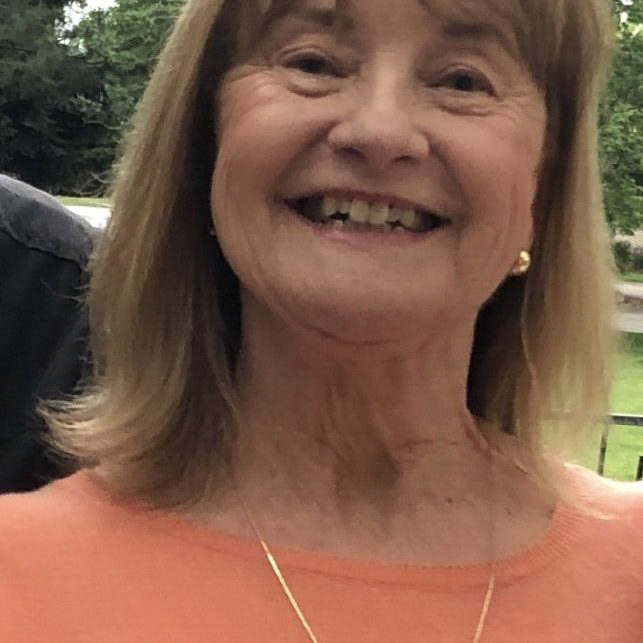
Carole Skinner
Interviewee: Carole Skinner
Interviewer: Jennifer Holley
Description: Carole talks about the term “Independent Film” and what it means. She shares some things about a few of her favorite independent filmmakers as well as some of her memorable movie-going experiences. She loves watching and talking about movies and looks forward to questions and thoughts from the audience. Carole was born at Ft. Lewis, Washington and was raised in the Army, moving every two years throughout her childhood. Army posts usually had a roller rink, a bowling alley and a movie theater so Carole became an avid movie - goer all her life (she can also bowl and skate). Carole earned a B.A. in English Literature at the University of Washington (as well as the money it took to attend by working full time). Carole and husband Rick opened their independent theater, The Flicks, near downtown Boise in 1984. Rick is full of ideas, many of them good ones! Carole books the movies that play at The Flicks and still enjoys doing so. She has so much more help there than she did in the early years. The staff is a wonderful and caring group of people and The Flicks continues to succeed because of them. Carole and Rick hope independent theaters throughout Idaho (and the entire US) will survive this pandemic.
Date: 2020-10-13
Topics:
The visual topic map is hidden for screen reader users. Please use the "Filter by Topic" dropdown menu or search box to find specific content in the transcript.
Jennifer Holley: Oh hi everybody. Thank you so much for joining us tonight for to for tonight's Connected Conversation. A program connected conducted by the Idaho Humanities Council. I am Jennifer Holley, director of programs and development. If you are not familiar with our organization, I encourage you to check out our website at Idaho humanities.org. If you have any questions tonight, please use the Q&A feature located at the bottom of your screen.
With me tonight is Carole Skinner, owner of the Flicks Movie Theater that has been in downtown Boise for 36 years. It is an honor to have you with us tonight. And I turn it over to you, Carol. Thank you for being here.
Carole Skinner: Thanks so much for having me. I was pleasantly surprised when you invited me, and I just I saw all the people with PhDs ahead of me, and I was thinking, well, this will be fun. So thanks a lot for having me. And I know you want me to talk about independent films and not just do an infomercial on the Flicks movie theater, so I promise that's what I'm going to do.
And apparently some people don't know what independent film is, and I just wanted to talk about that a little bit. So independent filmmakers have an idea, maybe a story they want to tell or an event that they've witnessed or that they've heard about that they want to make a movie about. And so, rather than, than going through the studio system, they, write the story, they cast the film, they do the first two locations, they shoot the film, they edit the film, and when it's all done, it's usually pretty much what they wanted it to be.
If you use the studio system, you can get a more polished look to a film a lot of times, but you lose that individual vision. Unless you're someone like, you know, say, Steven Spielberg or Alfred Hitchcock, who have complete control. But a lot of times, when you go through the studios and the people in the suits get to say, you know, I think you should, you know, like, for example, or, Mike Hoffman from Idaho, when he did his first studio backed film, they wanted him to call Some Girls, which wasn't the title that he gave it.
And, he wasn't. First of all, he wasn't happy that they wanted him to change the title, but then they wanted him to put a cute dog in it. And, you know, right there your your control is gone. So, that's kind of what I'm talking about with independent films. They, you know, a lot of independent filmmakers are self-taught.
Some of them do go to film school. Some of them are lucky enough to have done a short film, which is a lot of, how a lot of filmmakers get started with filmmaking. They do a short film and then they get a chance to, like, show it to people at a Sundance lab who help them workshop it into a complete, complete film.
Slingblade is an example of that. That was an award winning short, and they helped him turn that into a movie. I know that's way before many people's time, but we played it, and I still remember it because it was a really big impact film.
One thing about independent films is that you don't really have the budget that you have with the studio, so the film might not be as polished. I remember going to the Telluride Film Festival in 1988, and Terence Davies, was premiering his first feature, Distant Voices Still Alive. And he was there at the festival, which is one of the great things about film festivals, is that you get to hear the, the directors, and sometimes the actors talk about their work.
And, there had been a scene in the movie where, one of the characters falls through a glass ceiling. It's a very dramatic scene. And afterwards, during the Q&A, he explained that the good thing that scene worked because he only had money to do it. One so that's that's, one thing that's different about independent films is that you just have to work within your budget.
You might not have, you know, car chases and you might not get them to clear the streets of New York City for you to make your movie. But, at least it's yours. And many, independent filmmakers later do go on to do studio films. I'm thinking of, like George Lucas, who long ago did a movie called THX 1138, or Martin Scorsese, who did Mean Streets.
Christopher Nolan, who's a very popular filmmaker right now. He he just made Tenet, the film that was supposed to, you know, revive and bring back the movie industry during this pandemic. He made a really great movie, with Guy Pearce called Memento. And, you know, a lot of independent filmmakers are documentary filmmakers, and they go into warzones and they go into, you know, war torn countries, or they explore other, stories that they find interesting.
The filmmaker Errol Morris to this movie called The Thin Blue Line. A number of years ago, a man who had been passing through Texas was arrested for murder. He spent seven years, after he was convicted on death row. And it just didn't add up. And Errol Morris started researching that, that event. And he was actually able to get him released from prison and exonerated.
And, you know, the movie takes you all the way through all the steps and how he did that. And it's quite amazing what an impact a special film like that can make to really save someone's life.
I wanted to look at my notes because I know I forgot something. I, I'm sure there'll be lots of questions, but I wanted to tell a little bit more about that. Oh, I know, so one thing that I especially like about independent films is that they they focus on character and story. I feel like there's a trend lately.
Well, not too lately because not much is happening in the film world. But in the last few years, a lot of studio movies are sequels and they have Roman numerals. A lot of times I say one thing we don't do the Flicks was that we don't show any movies that have a Roman numeral after them. But a lot of studio films now not only are sequels or superhero movies, but they're, you know, car crashes and explosions and I feel like when you go to those movies, you're just bombarded, bombarded with visual and auditory stimuli.
But at the end, do you really remember the story or any of the characters names? I feel like it's just, noise in a lot of ways. And although in the past, I think so many wonderful studio films have been made also, and I don't want to make it sound like only independent filmmakers make good films. But I just think it's a trend now to not focus on character and story.
And, you know, the same thing I love about books is what I love about movies, which is character and story. I thought it'd be fun to tell you a couple of stories about movies I've seen. I've been an avid moviegoer my whole life. The first movie I remember seeing, my family and I were on a ship going from, New York to Germany.
My dad was in the Army, and they showed a movie called Hi‐Lili, Hi‐Lo and that's the song. The movie starred Leslie Caron, and, I was allowed to stay up and watch it. I remember I had a pink flannel like gown on. I was four, I think I said that, and, it was just like, you know, Wonderland to me to see a movie.
And of course, we didn't have television then, so it was, you know, just an amazing thing to see a story and people up on a big screen, The next movie I want to tell you about is when I was, ten, I got to see Alfred Hitchcock's Vertigo. Movie post. They have, a movie theater.
They also have bowling alleys and roller rink usually. So we got to do all of those things on the weekends, and I went to see Vertigo with my friend. And, when I got home, I told my mom, I said, you, you and daddy really have to go see this movie Vertigo. It's really amazing. And, she said, well, we're going to go see.
I think it was called The Teahouse of the August Moon with Red Buttons. And I said, no, no, no, you really you really have to go to Vertigo because they were there were two screens. You really have to go to Vertigo. And they, they went to the other movie. And 25 years later, I was an adult and, I had a movie theater, and I called my parents up and they said, I just want you to know, they've just done a rerelease of Alfred Hitchcock one of his many masterpieces, Vertigo.
And I also want you to know that they're not rereleasing Red Buttons and titles of the August, so it's kind of you, right? When you're ten, you know? The summer after my senior year of high school, a boyfriend took me to a movie called Blow Up a Michelangelo Antonioni film starring Vanessa Redgrave. Fascinating film. I haven't watched it again.
I sometimes don't like to go back and see movies that have a big impact, because I'm afraid that it won't be the same, but happened to be with Breakfast at Tiffany's, so I don't go back to these bigger movies that were important to me. But, the movie blew up with just to have amazing, amazing story and amazing acting.
And, it had a great theme with the band the Yardbirds in this club with nightclub, and I think it was Jimmy Page. And correct me if I'm wrong in the Yardbirds, if you're old enough. That destroyed his guitar on stage, banging it and crashing and the strings were flying and I, you know, years later, going to rock festivals.
Other, rock and roll artists did that. But I think he was really the first. So, at the end of the movie, my boyfriend, as we got in the car said, I just to get that and, I have to admit, we broke up that night. I just, I just kind of figured that that was the tip of the iceberg of what he wasn't going to get.
So, that was the end of that relationship. Later that summer, I went with the boyfriend to my first foreign film, A Man and A Woman with Anouk Aimée. And, within French had wonderful music. I could I could hum for you, but, I don't think you want me to, Singing is not one of my talents.
Years and years later, I got to meet Anouk Amy and at the Telluride Film Festival, which was pretty exciting for me. But it was it was just also a revelation, like a foreign movie with subtitles. And ever since then, when people have said to me, I just don't, I don't really watch movies with subtitles. I just think, you know, within five minutes you're totally into the story and the, you know, it.
It's it's not hard. I mean, you did learn to read them when you were six, so, a lot of times when I enjoy a movie and someone asked me if it was subtitle, I don't even remember if it was subtitled or not. And the woman just was just a beautiful, romantic film about love and loss. And, it was a real eye opener for me that you could go to a movie in a different language.
And my experience with that from then on is that it's so important to see foreign films because, it isn't just like an American movie in a foreign language. Those people have a completely different worldview than I do. And then that most of you probably do, unless you've traveled extensively around the world and really gotten to know people from foreign countries, it's just a different way of looking at the world.
And I think it's really important for us as Americans to understand other people. I mean, right now it seems like we don't even understand each other. But I think it is important to to let that kind of information in and let it, like, settle within us. In 1981, a wonderful film called My Dinner with Andre came out with Andre Gregory and Wallace Shawn.
It's the two, the two actors and Louis Malle, a Frenchman who was married to Candice Bergen, you might remember, wonderful director of so many great films, but he directed that it's an American movie. And while each other, Andre Gregory wrote, each wrote their own part. They were friends. Andre Gregory had spent a bunch of time at a place called Findhorn, which you may have heard of.
And, he was talking about all these, just, you know, amazing concepts that while he's on the more down to earth character was not familiar with, and we spent the whole evening or, you know, the duration of the movie with them having dinner at a nice New York restaurant, talking about all these different concepts and their lives.
And, at the end, while Sean is leaving and he says, you know, when I was ten, I took a limousine around the city and, all I thought about was art and music, and now I'm 36, and all I think about is money, and it just brought me to tears. I just thought, you know, that's the fate that can befall all children.
And it's so sad. But also, you know, it was a wonderful movie and so engrossing. I'm going to tell you a few more stories. So Blue Velvet, David Lynch, a very, very quirky independent filmmaker, made this movie with Dennis Hopper and Isabella Rossellini called Blue Velvet. They play that song. I think it was Frankie Valli from the 50s.
That song is ruined forever for me. Let me just say, but, I went with Rick, my husband to New York, for he had, some meetings, and I entertained myself by going to museums and to some movies. And I went to see Blue Velvet. And there's a scene where Kyle McLaughlin is hiding in the closet. Dennis Hopper is doing creepy things to Isabella Rossellini right in front of the closet with a kind of a, you know, he's breathing some kind of.
I don't know if it's helium or what, but it's super creepy, and I found that my faith was getting, My hands were getting numb. My feet were numb. I'm like, I want to hyperventilate. Like, I or, I don't know, like. Like I gotta breathe, I gotta breathe. I was so, scared for this kind of unknown character that I just forgot to breathe.
And that was in November. Two months later, we went to the Sundance Film Festival, and, although we should start, I was hurrying to my movie with ice, and so it's like, who's with high heels? Don't ask me. And I'm the only one on the street. And then walking up the street toward me is Dennis Hopper.
And I mean, I was like, should I, should I go to the store? So I cross the street, Charlie, you know, free. And I'm like. And then he got pretty close to me, like a few feet away he goes, hi. I went, like I was terrified. I'm Dennis Hopper, I think, with good reason. Anyway, so that's my Blue Velvet story.
Some of the most wonderful things that have happened to me watching movies have to do with going to film festivals and a different year. And I went to Telluride a lot of years. Let me just say I love it so much. Simon Callow, who's an actor, he's a character actor. He was actually in a room with of you.
You get to see his chubby little body naked, jumping into a pond. But he turns out to be an expert on Charles Laughton. And he, showed clips from a lot of different movies that Charles Laughton had may have been in. And one of them was, of course, The Hunchback of Notre Dame from 1939. And there's a scene where Laughton is grasping, I think it's Big Bertha.
I forget the name of the bell, but he's grasping this bell in Notre Dame Cathedral in the bell tower, and he's riding it and he's. And it's ringing. And you just the anguish in his face, It's unforgettable. What a fine actor he was. And, you know, I had seen that movie before, but when he showed off that clip and afterwards he talked about the movies and Charles Laughton's acting method, and he said, you, you know, you all felt the chills watching that scene of Charles Laughton on The Big Bell, and he said what he used was the day that they were shooting that was the day that the Nazis invaded Poland.
And it was just, you know, it makes you understand what the depth of feeling that that must have caused in making that film. I wanted to talk a little bit about the beginning of the sort of independent film craze that's been ongoing since about 1979. John Sayles is an independent filmmaker that's never made a studio film. And the film that I thought of him, but Return of the Secaucus 7 and, that really was the beginning of independent filmmakers thinking, you know, they could make their own film about their own story.
He used his friends as actors. They all gather. And later The Big Chill was made. It was it's kind of a copycat Return of the Secaucus 7 having more, more polish and also a good and enjoyable film. But that really was the beginning. And John Sayles was someone that's gone on to make, only independent films. He's I believe he won an Oscar for maybe made one.
He's made a number of films. I got to meet him at a film festival one time. He talked about, his method, and I even saw him like he would save up money, by doing other jobs until he had enough money to make his next film. He's also uncredited on many, many Hollywood films. He was known as one of the best, I should say.
He's probably still is one of the best, script doctors. So he would fix the script that needed help that the studios were were producing. I even saw him on, on, the local PBS station one time on, not Doctor Science, but what a kid's show I was watching with my daughter. She was about nine, and he was playing a baseball player who's explaining, like batting averages.
So he took any jobs he could and, to make his film, which is shows a lot of dedication. And a lot of independent filmmakers are like that. John Cassavetes was a very well known independent filmmaker. But he also was a good actor. He he played the, husband to Mia Farrow in Rosemary's Baby, but he also made mostly films with his wife, Gena Rowlands.
A woman under the influence of the notable one, Dennis Hopper, creepy Dennis Hopper. Acted in his first film, Rebel Without a Cause. But also he he directed the movie Easy Rider, which, you know, with Peter Fonda, which is a pretty, pretty tight little film. I have to say, it's I mean, just so emblematic of that time, which is sort of, you know, the time of my youth, Errol Morris, I talked about a little bit already with The Thin Blue Line, and he's he only makes documentaries, and he he always wins prizes.
Robert Altman is someone whose films I really love. And he started making shorts in like 1951. He did TV series and then he did Mash, which was a big hit for him. Nashville was my favorite Robert Altman movie. It has, even Rodney Blakeley, who's from Nampa, as one of the main characters, Lily Tomlin, Keith Carradine, I really loved that movie.
Woody Allen is an independent filmmaker, and he started out with really kind of goofy things like sleeper, which is hilarious. And I know he has studio backing as Judd later, of course, Robert Altman and Alfred Alfred Hitchcock. But those are filmmakers that always had complete control because they'd already made a name for themselves with independent films.
There are a lot of other quirky independent filmmakers, and I made a long list. I don't think I need to bore you with all of those, but if people want to want to see any of my lists or my top 50 movies or any of that, I'd be happy to share that, with you later. I want to mention another independent film that just blew me away called The Station Agent Tom McCarthy.
As an independent filmmaker. And he that was his first feature, and it was Peter Dinklage who we all know now from Game of Thrones. Wonderful actor. He was also in Bruce, which I thought was a great independent film. But Tom McCarthy also made The Visitor. He, I, I just was amazed that someone for their first feature would make the film so polished and such a great story.
And it's really fun just to see that individual, the vision that independent filmmakers bring to their work. I think there's really no substitute for it. And I'm wondering if maybe we want to, maybe include the audience. I know there are people out there. I don't see you yet, but I'm hoping to see I invited a bunch of friends, so hoping to see some of them out there.
If you want to. You want to open it up a little bit. Jennifer I'd be happy to do that.
Jennifer Holley: Sure. Carol, I do have some questions and I really love your description of independent films, as opening up the worldview, a different worldview. I think that is so important that we all need to see, we just see such, you know, regular movies from Hollywood. And I love that you offer such different perspectives. At your movie theater.
I love that, and I really appreciate it. So thank you.
Carole Skinner: Thanks so much.
Jennifer Holley: So I do have some some questions here. One here is when were you most surprised by audience reactions to a film, either positively or negatively? Which film? What reaction? Why do you think the audience responded in that way?
Carole Skinner: So two things come to mind. One of the movies is, with Bruno Ganz. It's called Mephisto. Really wonderful German film. And I stayed late at work backwards to work 60 hours a week. I would sometimes stay and see the the 9:00 movie or the 930 movie, and usually it's a smaller audience. So there probably were a dozen of us in that movie, such a fine film.
And afterwards people just sat there and then as people started to get up, we all just stopped at the lobby and just talked about the film, and then we finally just sat down and talked to the film like there was so much there, so much depth. And, it was really fun to have. I mean, I didn't know those people.
I mean, they were my customers and I maybe recognize some of them, but it was really, really fun to just have that sort of intimate, raw, you know, discussion after the film and how we felt about it. Another movie that comes to mind was called, Once Were Warriors, that the new Zealand film. And it's about Mary people, living in the inner city, you know, difficult life, persecuted.
And you know that a lot of the men had the, like the tattoos on one side of their face and kind of scary looking. It's part of their tradition. My friend Carolyn Cannon watched it on, like, a Friday night, and, and she came out and she was crying. She said, I said, you have to see the end.
Like there's always a resolution, like, you should go back. And she goes, I can't see another minute of that movie. And she was crying. She said, I dare you. I dare you to watch that movie. And so I stayed. I hadn't seen it yet and I stayed. It's a really good movie, but it's so difficult. I mean, I, you know, there's, abuse by an uncle of a of one of the, girls.
I mean, it's all the characters are Mary characters, and they live in this, you know, in the city in poverty. There's sexual abuse against this young girl and thinking, well, that's what she was probably crying about. That's probably the worst that's going to get. And then I'm not going to tell you the whole movie, but then something worse happens.
You're like, oh my God. Like, well, can't get it, can't get harder to watch than this. And then more things happen. You're just like you're I mean, just painful. But you know, a good movie. Like a well-done movie. And afterwards people were, you know, people have left other people that stayed to the end, just that there. And then as we went out, I said, I'm never going to a difficult movie at the last show at night.
Like, I don't want to just go home. All of us are going to go home and lay there and look at our ceiling and not be able to sleep. And so we we stayed and talked about that and kind of processed it. And I, I mean, I thought, I thought it was important for us to see how those people live, but it was just, you know, indescribably difficult.
And the same thing with the movie we played not too long ago. And I, I'm, I'm kind of struggling to think of the name of it, but it was about, a Native American school in Canada and, you know, just the main actor is so great. I hope he gets to be in another movie because he was so good.
But he, you know, these kids are ripped from were ripped from their homes, put in the school, beaten and sexually abused and, you know, just all kinds of things. This one guy finds a way out by being a star hockey player. Like, he's a fabulous hockey hockey player, and he has a chance to be, you know, in the big leagues and make a name for himself in hockey is really big in Canada.
And instead, you know, his past catches up with them. And the priest that abused him appears to root him out at one of the games, and he just quits hockey. And, you know, the same thing where people, people just had to huddle together afterwards and process, Oh, and which reminds me, a year of the Wrath of God.
I don't remember the audience reaction because I saw that a long time ago when I lived in Seattle. But, that's a movie like Apocalypse Now that's based on Joseph Conrad's Heart of Darkness. And, both really fine movies. But the Akira movie, I felt at the end like someone had, you know, tied me up and beat me, you know, it was just like these people going down the river and, you know, just not going to get any better.
But I have to say, I'm almost never surprised by an audience reaction by a film if I've seen it with them, because you're there as a community, see and feel the same things. I mean, some of us are, you know, I have a harder time with things where children are being hurt. I have children, you know, some people have a harder time with different things.
But I'm not usually too surprised by the reaction I'm there to.
Jennifer Holley: I appreciate the films that you bring in. I think it's a really. It's really good that you challenge, your audience with what they're seeing, and, like, what you're explaining. I know it is difficult. There are difficult subjects, but it is good to be challenged by that. I mean, that is real life, that is happening out there, and we need to see it.
By film and other things. And I'm glad that you do offer that resource.
Carole Skinner: Well, don't forget we also play La-La land and stuff like that. And we just had Emma, we had Emma in March and it was like wonderful and delightful. And you know, we used to play all those Merchant Ivory movies, which are wonderful and delightful too. So don't think that you're going to feel like you've been whipped every time you come on us.
And, you know, one good thing is on the website, you can always look at the trailer. And if it's not your cup of tea or not, your date of feel like you need a good cry. There are other choices. Always.
Jennifer Holley: I always watch the. I always go to see the Oscar nominated, animated shorts.
Carole Skinner: Oh yeah, those are so fun.
Jennifer Holley: I love those, those are so fun.
Carole Skinner: You know, we just had the Manhattan Film Festival, and we usually have a full, you know, the 200 seat is almost full for those. And we had 45 people at one show, which is the most we've had since March 19th, because people love those shorts that they often go on to to win the, the Oscars. So it's really fun.
It's really fun for people.
Jennifer Holley: Let's say we've got a question here. Where did you grow up? I think you explain that a little bit in your bio, but you could talk a little bit about that.
Carole Skinner: So I was born at Madigan Hospital at Fort Lewis. We moved after that to Pasco and then we moved to Fort Morgan, California. And then we went to Germany. And then we lived in new Jersey, Raritan Arsenal in, near metro new Jersey. And then we went to Fort Hood, Texas. And then we went back to Germany.
And then when I was in the eighth grade, my dad retired from the army. So, but, you know, those are the formative years. So that's, you know, the rest of my childhood, I had a little brother, a surprise, a little brother when I was 12. And so I think after that, I was pretty much treated like a grown up because he was the baby.
Before that, I was the baby. So. Yeah. So I lived a lot of different places. And, you know, I, I, I'm not from Idaho, but my parents are both from Idaho, and we used to come here. We, my aunt and uncle had a cabin, and lo and, my cousin has a we would go there.
And so I always had fond memories of Idaho. And when I got a divorce in 1982, I came here to stay with my cousin, and I. I made more friends the summer that I stayed with her than I had the 15 years I lived in Seattle. So I just packed up my stuff and here I am.
Jennifer Holley: Well, we're all thankful for that.
Carole Skinner: No thank you. Do thank you.
Jennifer Holley: Let's see. Has independent film influenced mainstream Hollywood films? If so, and why? Or how?
Carole Skinner: You know, that's that's a hard question, but I appreciate that. I think that a lot of filmmakers that start out, you know, doing those independent films and are successful, they shape, the trajectory of Hollywood, I think. I mean, Steven Spielberg continues to make thoughtful films, and, you know, you don't see car crashes in his. They're more story oriented.
I'm sure he's had an impact. People see his success and think, oh, gee, I could, I could, you know, still focus on character and story and, you know, make a successful, you know, financially viable film. So, I do think that that it's all interconnected. I, I read someplace not too long ago that 99% of filmmakers don't ever make a living at it.
And I thought, that's really sad. I think it might be a little bit different in in other countries. I think that they are just focused on big budgets and, you know, I can see why studio wouldn't want to take a risk if they're spending millions and millions of dollars. But if you have a if you have a company in a foreign country that you know, wants to make films, they don't go to that expense.
And so I think they can take a little bit more risk.
Jennifer Holley: Okay. Let's see what else. Oh, this is a little compliment. Before we moved to Garden City, we lived in Idaho Falls. Whenever we came to Boise for anything, the first thing we would do is see what was playing at the flicks. Thank you for being here. Tell us what we can do to help you stay open.
Carole Skinner: Oh, that's so nice. And, it's almost like a set up. It's like a kind of a shell in there somewhere. Not really. Here's the thing. We reopened June 26th after being closed for more than three months. We and I just did an interview with, Gene Huff at the Idaho Press, who, and I and I really, sincerely mean this.
We haven't laid any employees off. If we succeed, we will succeed together. And if we'll fail? If we fail, we're all going to go down with the ship. We hope that people will come back to the movies. We feel like we've done so many things to make it safe. My friend Margie, who came here today to to, kind of listen to what I was going to talk about.
She had her husband go every Friday. We put in the phenomenal air system. It's been shown to, filter out 94, 94% of viruses, bacteria, allergies, fungi, smoke. You know what it was smoking. My husband said, let's go down with the Flicks that we can breathe. And so we did that where we put plexiglass in the bathrooms and at the counter.
We, have a seating chart that we bought, little numbers, that we numbered all of our seats, even though they weren't numbered before. And you choose where you're going to sit, you can sit. You know, we had promised six feet away because we blocked off rows and seats, but really, you could sit 20ft away from another person. Everyone's wearing a mask.
If you buy food or drinks, you can take it off while you have those items in the theater. And then you can, you know, put it back on afterwards. We clean the seats that people have chosen. Between each show. I just feel like if we to installed all these hand sanitizers all around the premises. So we've done a lot of things.
If you don't want to help us by going back to the movies, we're doing curbside DVD rentals and food and concessions. You can get to DVDs and popcorn if you want. And take it home and watch Netflix or whatever you're doing these days instead of going to the movies. You can buy gift cards and gift certificates for future use.
I had some people ask if they could donate, and we don't. We're not a nonprofit, so we don't really take donations. But if you do come, you can tip the staff. They appreciate that a lot. And, we've been having dining on the patio. The weather's changing, but I'm ordering heaters, so I'm hoping that will buy ourselves a little bit more time for you to eat outside.
So, you know, we hope that you'll come back. And, you know, there are times that are. It's not it's not been busy. I hate to tell you, because I don't want to say, please come to my party. No one's coming because everyone wants to go to a party where everyone's going to be there, but everyone's not there.
And you can come. And we wish you would.
Jennifer Holley: Indeed. Here's a question from another viewer. Did the Flicks ever show Mount Lawrence by Chandler Wild?
Carole Skinner: No. Sorry. No. Oh, I haven't even heard. I haven't even heard of that, but don't know everything. Okay.
Jennifer Holley: Let's say baa.
Carole Skinner: Baa baa
Jennifer Holley: Okay, here we go. There are a number of films that I watch every year that I've seen dozens of times in my life. Which films are your favorites? Do you rewatch them and what makes your favorite films favorites?
Carole Skinner: Excellent question. Yes. So, there are movies that I have seen a lot of times if they're on TV and I'm flipping around the channel because I know the story, I don't have to see the beginning. Casablanca is one of those. I think that's, you know, we actually played that for our for our grand opening. We played that in a foreign film called The Return of Martin Guerre in 1984.
But that's a movie I could watch again. I would watch Maltese Falcon again. When Harry met Sally, I could always watch that again. I love that movie. So fun. For weddings and a funeral, I would watch again. I just lately watched again. Love actually. Yes. Which we played at, I don't know, how about how much time we have here?
Oh, yeah, I can tell. I can tell a quick story. So when we were playing Love Actually, it was fall. We went on a Friday night, my husband and I, opening night, and, without a for teenagers came in behind us. We all sat down and my daughter and, I don't think it was her husband or fiancee.
Then, but they came with us. They were here for the holiday. And, when the lights went down after the trailers, I heard this pop filled sound of beer cans being open, and I turned because they don't know who I am, right? I turned around, I just went, oop. And I grabbed the beers and I walked up through the the trash that came right back.
And I sat down and not a word was it? No one complained. And that was, if you're a teenager, you can't drink at the flicks. I'm sorry. Even if you bring your own, especially if you bring your own. So anyway, so that's the movie that I would watch again. Let's see. I have to tell you a couple more.
I, I actually did make a list. So this is a really old movie that I love and it's Hitchcock, Rebecca. And I've seen they've just remade that. I think it might be on TV or something. I'm not sure if it's going to be in the theaters, but if it's from a Daphne du Maurier novel, very intriguing, dark, but I mean, I think it's Joan Fontaine.
Laurence. No, not Laurence Olivier. Yeah, maybe. Anyway, Rebecca, I love that movie. Let's see The Graduate. The King speech is one of my favorite, favorite movies. You know, I saw that at Telluride. My friend Kathy Brack came with me to the Telluride Film Festival, and we were just blown away. Such a good movie. A movie we just played.
I really love this movie. It's called Summerland, and I don't think it's out on DVD yet, but if it is, if, I would watch that again. I thought it was really great. Whale rider Niki Caro, a New Zealand filmmaker. I really loved that movie, High Fidelity with John Cusack. That's from a Nick Hornby novel.
And I read all his books. I'm a big reader as well as Filmgoer. So, it's a great story. And, you know, because, you know, I sort of identify with that character. I really love jazz. And, and he was so judgmental about people's taste in music, and I babble that I do. I, I like that movie a lot.
I would not what I would watch Nashville. Yeah I haven't but I but I would I, I thought was so multilayered and you know that song that Keith Carradine's, I'm easy. I'm not. But, but, yeah, he just, he just like almost everybody in the cast, and there's a great, Gwen Welles, scene, and she died maybe ten years ago, but, she, wanted to be a singer, and she went to this like, she was hired to be at this men's club where, she thought she was going to sing, and they kept yelling at her to take it off.
And, you know, her boyfriend, played by an African-American. I forget his name, but, you know, she goes home and, like, the Ned Beatty character, says, man, she really can't sing a lick. I remember that, and then she goes home to her boyfriend. She goes, you know, how did it go? How did you do it? She said, oh, Wade, I had to do me a striptease.
I hate that, you know. So sad. But just she was just so cute. So anyway, I love that movie. Nashville. I think it's really. It's really great. Doctor Zhivago, I saw that, I think my 16th birthday, I got to go on a date to see Doctor Zhivago. Julie Christie, far from the Madding Crowd. They remade that not too long ago with Carey Mulligan, but.
And it's really, really good too. But but, Far From the Madding Crowd from the Thomas Hardy novel really had a big impact on me. I thought it was really, really good. Alan Bates, Terence Stamp, who used to live in Sun Valley, I think. Yeah.
Jennifer Holley: I yeah, I think remakes are kind of hard don't you think. I mean.
Carole Skinner: Yeah, yeah. I don't know why they do that. I wish they wouldn't. You know like when American film companies love and remake a great, European film. And I just think, you know, don't just put it, you know.
Jennifer Holley: Let's see what else we have. Let's say, Oh, let's say. Okay. I remember years ago when River, a River Runs through it was at the flicks for weeks and weeks, and so many of the moviegoer has had never been to the flicks until the movie. Now, of course, many of the movies up for the Oscars have run at the flicks.
Was A River Runs Through It, sort of a turning point for the flicks in terms of gaining a more of a mainstream audience.
Carole Skinner: You know, I promised my friend Holly I would tell that story and I forgot. And what? I'm so glad somebody else asked that question. So we were open for seven years. We shoveled money into the flicks like coal into a furnace. Kind of like now. And, Dave Garrels, who worked at Columbia Studios, happened to be in town.
I had begged for that movie over and over again. We, my husband and I went to a fundraiser for Cecil Andrews, and Robert Redford was the keynote speaker. It was at the Morrison Center. And afterwards I realized as he left to bring applause, that he wasn't going to stick around for questions. So I ran out the back door at the enforcement center and followed him to his car.
I'm like, Robert Redford, Redford, please let me play your movie. And he said, you have to talk to Columbia about that. So and I had already been calling Columbia, but then the next time I talked to Columbia, I said, Robert Redford said I should call you so. And I got to shake Robert Altman's hand. And let me just say, I kind of always notice people's hands when I shake their hands.
He feels like a ranch hand, which was kind of cool like that. Anyway. So Dave Garrels, who was the head salesperson at Columbia, happened to come to Boise. He was visiting movie theaters. He was at my door at the flicks. We were close. I didn't know who he was. I invited him and we visited. And then he told me who he was, and I said, oh, I really want to play a river run through it.
And I asked Rob Redford and he said, to talk to you. And he said, you know, I will let you play that if you play it on both of your screens. And we only had two screens at that time. And I agreed to do that. And we, I, we did the opening night as a fundraiser for Trout Unlimited.
My husband was a very avid fly fisherman, and our friend Doug McClelland at that time was the president of the National, Trout Unlimited. So we did a fundraiser. They came to town from Missoula, and we had a line around the block and we turn people away. And it was so exciting. And people would say, when did this place open?
Like seven years ago. You know, but that, Monday I took the the deposit to the bank, and they wanted to see my ID, and like, I thought, you'll need to show ID to take money out of the bank. And they said, when you bring this much money, you have to show it to put it in. And that was the end of being in the red, like, seriously.
And people came back and, you know, and it's such a great movie. We played that again for our 25th anniversary. Wow. Yeah, yeah. And and then I had people raise their hand if they'd been at the, at at the when we showed it the first time, it was like half the theater. It was pretty great. Like they had those same customers all these years.
I was it was just so gratifying.
Jennifer Holley: Oh, I love that I get goosebumps. That's so fantastic. Thanks. And you have. Oh yeah. Four screens.
Carole Skinner: Now we do. We added, theater three and 4 in 1997.
Jennifer Holley: Yeah.
Carole Skinner: So we had we had one screen for four years and believe it or not, even though we were losing money, we added the other screen because we realized that we couldn't, you know, a lot of movies didn't want to share, you know, and we wanted to we wanted people to come every week. So they're not going to come to the same movie every week.
So that's why we did that.
Jennifer Holley: That's great. Robert Redford said, yeah.
Carole Skinner: I tell you what time. I also got to shake Jimmy Stewart's hand, and his hand felt like an autumn leaf, very light dry. Anyway, he was cool.
Jennifer Holley: That's nice. Let's say here we go. Did your interest in foreign films grow when you grew up in other countries?
Carole Skinner: No. We, I don't think we went to any movies when I was there. When I was four, five and six. I don't remember going to movies. Even though we lived in the town. And we did make friends with some of the German people, but, that's where I first went to church, so that was kind of a big, dark cathedral.
No, I didn't see a foreign movie until I went to see a man and a woman in 1966 or 67.
Okay. But, you know, it's possible that being in those other in other countries sort of fueled my interest in, in those cultures. I mean, that's certainly true because we did travel around Europe a lot and, you know, France and Holland and, Italy, lots of different places.
Jennifer Holley: Let's say I love that a river runs through it story. That's so great. And the Dennis Hopper story, that is really great.
Carole Skinner: I don't think anyone's eardrums. Oh my.
Jennifer Holley: Gosh. Let's say.
Carole Skinner: Got.
Jennifer Holley: A lot of questions.
Carole Skinner: Okay, I'll, I'll I'll try to be shorter with my answer. So we're good.
Jennifer Holley: Go. Oh, I love it. Let's see what book that hasn't been adapted for the screen. Would you most like to see made into a film?
Carole Skinner: I love it when people ask this question. I know I have. I have the book right up at the top shelf of my books. It's called Time and Again, and I begged Mike Hoffman to do it, but he said it would maybe be too expensive. But, it's a really good book, and it's about, a guy who is recruited for an experiment where they're experimenting with time and time travel, but not with the machine.
It's the theory is that all time exists all the time, like a river. And just where you happen to be on the bank of the river is your time. So you could go back, you know, on the river or forward to the river and go forward or backward in time, sort of that concept. And so it's set in the beginning of it is set in the Dakota Apartments where John Lennon lived, but before John Lennon lived there, he's looking at Central Park and he has to think of himself being in the 18 days of like the 1960s or so.
He has to think of himself as being in the 1890s. And you look out and there's horse drawn carriages and the gaslit lamps and, you know, it could be New York, it could be Central Park today on the right day. But then he goes out into the evening and it's 1890, and then things happen from there. And I just think would be I love time travel, and there have been a few pretty good time travel movies.
That one with Christopher Reeve, who the the name of the movie is escaping me, but I just think this would be a really good movie and I wish somebody would make it.
Jennifer Holley: That would be good. It sounds really interesting. Let's say there's a lot of compliments to you and what you've done for Boise in the film, the films around town. And we are very thankful that you're here.
Carole Skinner: Thank you.
Jennifer Holley: Let's see, what else do we have?
Oh, let's see, what is this one? Any recent current films to recommend? Great series of films that you have talked about. Funny anecdotes about blow up. I love the sound of wind in the trees when the photographer is in the park. Do you know what he's talking about? And how amazing.
Carole Skinner: Yeah. Yeah. Okay. Yeah, well, they're playing tennis, I think.
Jennifer Holley: Yeah. Well, let's see my dentist.
Carole Skinner: Pretending to.
Jennifer Holley: My dinner with Andre. Another wonderful film and reflection. Dennis Hopper. Funny. Remember Hopper in Paris, Texas? A couple of my recent favorites, Toni Erdmann and two Days, one night.
Carole Skinner: Did you see that? We played Toni Erdmann and I didn't go, heaven. I was having a little vertigo then, so. Sometimes I have to miss things.
Jennifer Holley: Yeah, yeah, that's been helped. Nick. Films. Or do you pick all the films or.
Carole Skinner: You know, I my main job is picking the films and writing the blurbs for the calendar. And then confirming the films and then deciding what stays and what goes. Rick has another job. He's also really avid filmgoer. We always go to film festivals together, and he loves to do that as much as I do. But I certainly bounce things off of him.
And sometimes he reads a review and says, what about this movie? I'm like, honey, it's already in the calendar.
But he has great taste, too. And you know, we enjoy the same kind of movies, which is, you know, a great thing for marriage if you enjoy the same thing for free.
Jennifer Holley: Let's say I got another. What if somebody raised their hand?
Sorry.
Carole Skinner: Yeah. It looks like there's like 23 on the Q&A here, but now.
Jennifer Holley: I'm trying to sift through,
Carole Skinner: That's fine. Don't worry. I do know while you're looking, let me just say this because the beginning of that last question that turned into kind of a compliment was any recent films to recommend? Yeah, I just, On Saturday On the Rocks with Bill Murray. I really, really loved it. I thought it was really great. This is Sofia Coppola, who is she's an independent filmmaker.
I know she has me because her dad is Francis Ford Coppola, but she's the one that made Lost in Translation, which was a great film that we played. And On the Rocks is really, really good. I would strongly recommend that.
Jennifer Holley: Yeah, that like really good. Yeah.
Carole Skinner: And we have some things coming up that I think are going to be really, really good too. I mean, Nomadland just won the big prize at Venice Film Festival. Frances McDormand I'm and it's Chloe Zhao who made The Writer, which was a recent good film that we played that you could rent. We have you can look at our film rentals on, on our website, and you can see a lot of these, you know, movies that have played recently that you might have missed, and some of which did go straight to DVD instead of being played.
So, you know, that's that's a good thing. And I wasn't like, I should say, really quick. We're also people who want to help us. We're streaming movies, and we actually implemented a streaming page on our website, and half of the money goes to the flick. So if any of those look at there's one that that, we need to watch called Jimmy Carter Rock and roll president, which I'm pretty excited about.
So, yeah, you could stream movies and it's like 10 to $12, but we get half the money, so, you know, and our tickets are only 950 for general admission, but the other theaters have been 11.25, I think. So if you're spending 12 and we're getting half, it's not that bad for you. And it's really good for us.
Jennifer Holley: Well, I know I do have a question for, a friend of mine that is interested and maybe renting a theater. Is that a possibility?
Carole Skinner: You know, we have lots of we've had lots of requests for that lately, and I don't like to cancel our regular movies for you to have a different movie, because the people that are coming, I want to provide that service for them. But we have a couple people coming up that are going to bring a group to a movie that we're playing, but we're going to give them a discount because it's like their birthday and they're going to bring 20 people, and but they're going to come to a movie that we're already showing and they're allowing us, you know, they're saying, you know, we don't care if other people are there, like, we're
to get naked. So fun, you know?
Jennifer Holley: But you do a do like special, events for nonprofits, don't you?
Carole Skinner: Or we do, we do. And we we did one for the Watson Center just recently. Lee. And it was a really good movie, but, you know, because of the decreased capacity, I would say they broke even, but they didn't really make money. But partly for them, it's also about awareness as well as fundraising. So they were they were delighted actually to do it.
It was a Helen Mirren, narrated film film called something about Anne Frank and other stories, and it was other people who had gone through the same kind of thing that Anne Frank had gone through, hiding during the war.
Jennifer Holley: Right. That's good.
Carole Skinner: But yeah. Yeah, different. You know, Frank can email us and ask us that question or call.
Jennifer Holley: It I think I know, I think you know who my friend is, but, it's like a secret. It's like the train movie. I think this friend has asked you about it before renting the train. What is that? Have you heard of that movie, the train where the train is, hauling the artwork from? Not.
Carole Skinner: Oh, yeah. Yeah.
Jennifer Holley: Anyway. But, that's just neither here nor there. Let's see, what is the process for choosing the films that you show? Do you have to go through, like, a specific process or buying it or renting it from, the.
Carole Skinner: So I work with lots of different film distributors. We very, very rarely show a film that doesn't have a distributor because we need them to have posters and a trailer, some, some method of promoting the film so it doesn't just get lost in the shuffle. But I mean, there and they, you know, the distributors change, companies come and go.
But, I have dealt with hundreds of companies over the years that and they email me and say, I'll send you a screener or and it used to be they have to physically mail me a DVD, and now they just send me a Vimeo link and I can watch the movie on my computer. Film festivals. I always find films that I'm dying to play at film festivals.
One time, one of the first Telluride film festivals I went to, they played this movie called Mother Teresa, and they weren't going to try to do it theatrically. And the guy sitting next to me who who wasn't here was a stranger. But now he's a friend. All these years later, I talked him into buying the rights for the film and we played it.
Mother Teresa, it's great movie. So, you know, some people, some distributors have five movies and some have, you know, a 100ft fee. So it varies a lot. But I just do a lot of research. I, I'm kind of down the rabbit hole a lot of times on the computer looking up movies, and it's fun. I enjoy it.
Jennifer Holley: That's great. That is a great job. You have a great job.
Carole Skinner: I have a great job.
Jennifer Holley: And you have a great staff. They're always that.
Carole Skinner: I, you know.
Jennifer Holley: They've been there forever and they're great people.
Carole Skinner: Yeah. You know, I, I can't tell you how lucky I am. It took me a little while to get the hang of this. People that wouldn't stay late and have a party and drink all my beer. So. But I'm. I'm so, so blessed to have the people that I have working for me. And, you know, Josie's been there more than 25 years.
Let us go there 24 years, I think, friends, but they're 15. I mean, like people, you know, the average lifespan of an employee, not lifespan, but work span of of people at work, at movie theaters is six months nationwide. And for me, it's like, oh, you know, 18 years whatever. You know, it's just I, I'm really, really lucky person.
Jennifer Holley: Yeah. I do have, one last comment probably before we sign off for the evening, but it's from someone that obviously probably knows you. It says, where do you get your sense of humor and wit from? You were the funniest, witty person I know.
Carole Skinner: Well, that's really sweet. I don't know, I, my my family accused me of being born with the happy gene and my little granddaughter, who's 16 months old, I think has it too, which is pretty lucky as well as my child. I'm sorry about that. But, you know, I just like to have fun. I like to make fun of myself, and I like to have a good time.
And, it's just in the genes. My three siblings are, You know, always said the mother loved me best, and she said I was a hell of a lot more pleasant to be around than they were. But. But the truth is that my sister is actually also hilarious. And, you know, brothers South much.
Jennifer Holley: I get that I can only say that because I have two brothers and they're not very much fun.
Carole Skinner: And we have a group. We have the girl thing. Go on, I guess. But we do. We do. We do know how to enjoy ourselves. Yes.
Jennifer Holley: But I, you know, we really appreciate you joining us tonight. I hope everybody had a good time. I hope so. To get to everybody's questions.
Carole Skinner: You know, let me just say this. If people had a question that I didn't get to it because I'm too blabbing. You can you can email me. It's just Carole with an E on the end at the Flicks boise.com. If not, it's. I'm perfectly happy to answer your questions. It's fun for me to talk about this stuff.
I, I probably didn't even get to hear all the stories I was going to tell, but, I thought that I was going to be too long. But here we are. It's over.
Jennifer Holley: You have great stories. I really we really appreciate you. And thank you so much for bringing more culture to our valley and Idaho. And I know we have board members that come to town for our meetings. And they they go to the flicks after our meetings and they just love they love your theater. And well.
Carole Skinner: You know, my husband had the idea for this. It wasn't my idea. But we did it because it's what we wanted. We wanted to have something good to eat and a good movie to go to and a glass of wine with it. So, you know, if it's out there, you have to do it yourself. And if you build it, they will come.
Jennifer Holley: That's true. Thank you so much, Carol, and we appreciate you. And thank you, everybody for joining us tonight. Hope you'll do another conversation again with us next time. Thank you. Everybody have a good evening.
Carole Skinner: Bye.