
Gibb Hall (Life Sciences North)
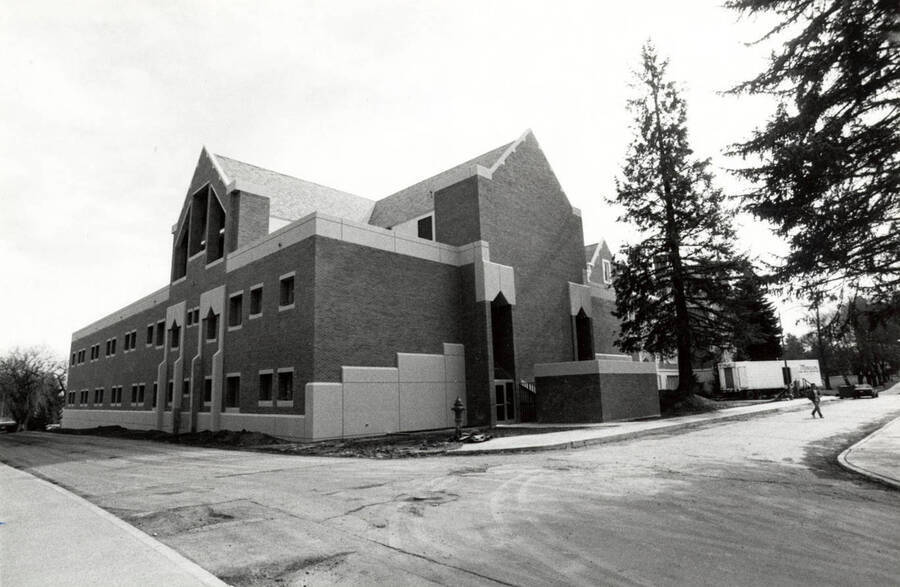
Geographic Coordinates: 46.727692, -117.010443
Location: Idaho Ave, between Pine and Ash streets 820 Pine St
Gibb Hall (Life Sciences North) Overview
Date: 1984-. Occupied 1985
Standing: Yes
Notes on Naming: Named for Richard D. Gibb, President of the University from 1977-1989, in November 1993
Architect: Team 7 Consortium (Coeur d'Alene)
Architectural Style: Postmodern
Description: Four story brick and stone construction, 56,000 sq. ft.
Use History: Bacteriology/Biochemistry/Biology/ UI Research, teaching and research labs
Cost: $10,000,000. $10 million
Sources: Morton, Argonaut, VF
History
Gibb Hall was developed as an expansion to the Life Sciences South Building, adding 56,500 square feet to accommodate the growing department. The hall was occupied in 1985, and at that point in time, it was the most expensive individual building project undertaken at the University. As of 2024, Gibb Hall houses bacteriology, biochemistry, and biology teaching and research laboratories. The building was named in 1993 for Dr. Richard D. Gibb, university president from 1977 to 1989.1
Design
The building reflects a Postmodern design incorporating Gothic references. Its roof gables and trim share common visual elements with nearby builidngs, such as the 1925 Life Sciences South Building, reinforcing campus architectural identity. Stylistic distinctions include corbeled arches, suble window finishes, and simplified exterior wall supports, which evoke earlier campus architecture with cleaner, minimal lines.2
Physical Description
Gibb Hall is built upon a partially exposed concrete foundation. The exterior of the building is clad in brick, concrete, and cast concrete. The north and south faces feature recessed square windows framed by thick concrete sills and headers. Its proportions are similar to those of the adjacent Life Sciences South Building, maintaining contextual harmony.3
Richard D. Gibb
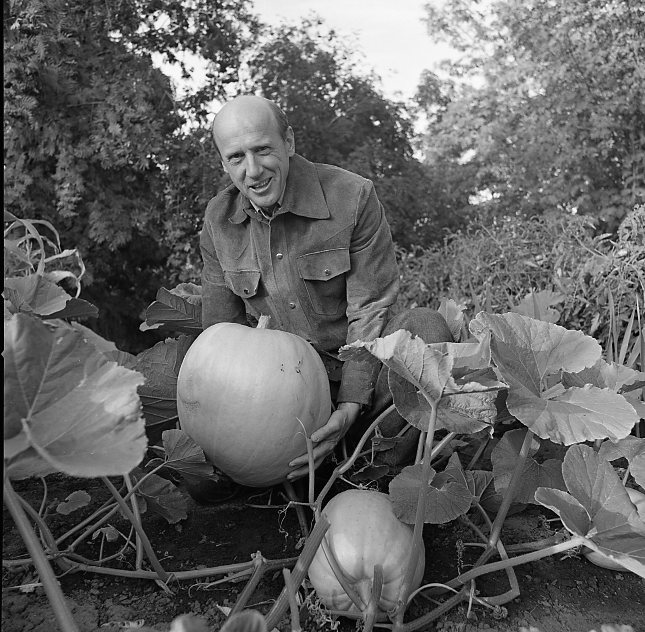
Dr. Richard D. Gibb served as the 18th president of the University of Idaho from 1977 to 1989. He was raised on a farm in Illinois, and after high school he earned a bachelors degree in vocational agriculture and a masters degree in education from the University of Illinois. Following his time at the University of Illinois, he attended Michigan State University where he earned a doctor of philosophy in agricultural economics.
His time at the University of Idaho was full of milestones, some of which included implementing core curriculum, securing a several million dollar NASA grant, expanding the Lionel Hampton School of Music, and supporting the formation of the College of Art and Architecture. Gibb Hall, named in his honor in 1993, reflects his lasting impact. He was known for his approachability and love of gardening. The 1983 Gem of the Mountains notes that Gibbs gave himself the title of “best gardener in Latah County!”4 He passed away in 1994 after battling liver cancer.5
Notes
-
Nathan J. Moody, “National Register of Historic Places—Registration Form: The University of Idaho Historic District,” initial submission to Idaho SHPO, unpublished, University of Idaho, Moscow, Idaho, May 7, 2025, 59, 60. ↩
-
Ibid. ↩
-
Ibid. ↩
-
“Dr. Richard Gibb, 1983,” uidahodigital, accessed July 22, 2025, https://www.tumblr.com/uidahodigital/64871740792/dr-richard-gibb-1983-officially-the-university. ↩
-
Ibid. ↩