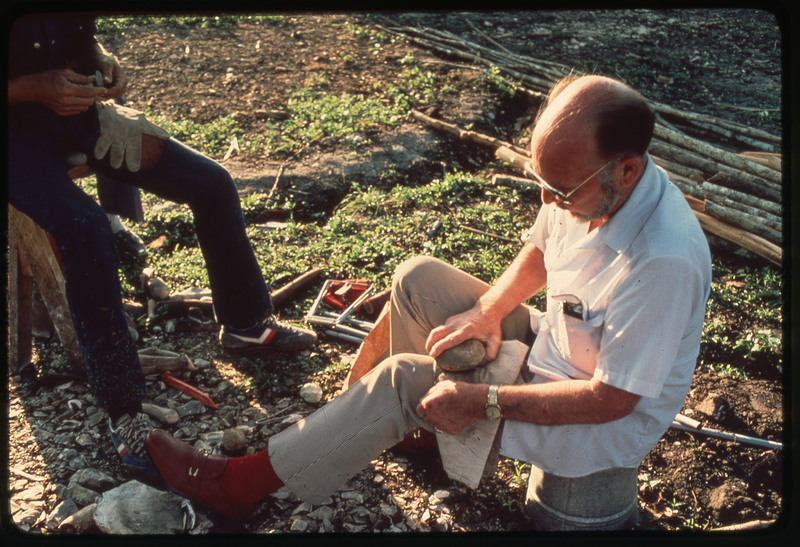
Donald E. Crabtree’s Legacy and Impact
An overview by Julia L. Anderson, Donald Crabtree’s niece
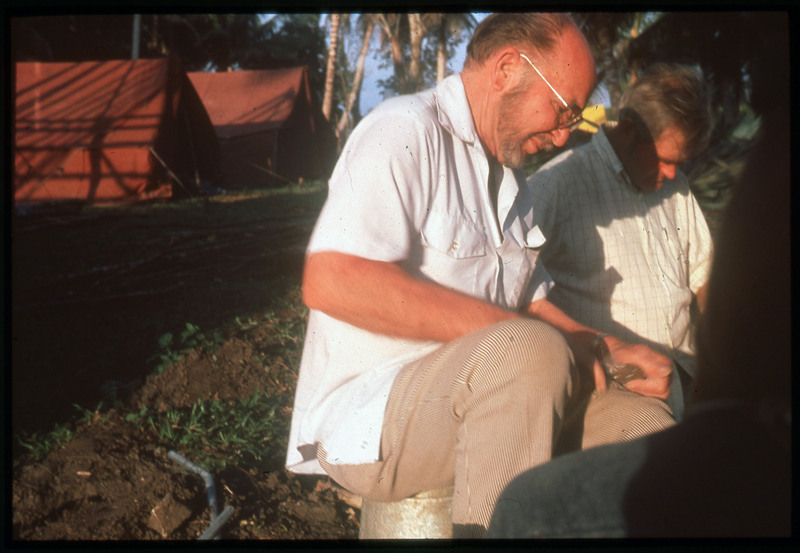
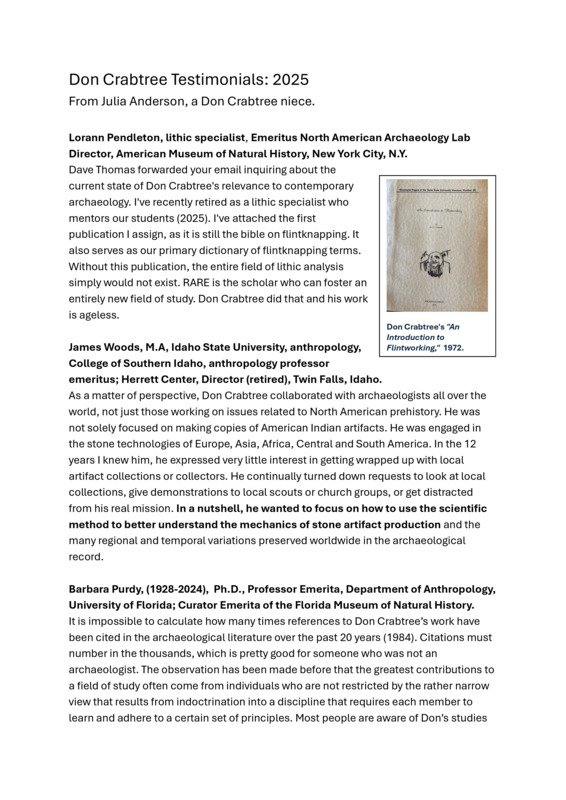
Idahoan Donald E. Crabtree (1912-1980) remains a central figure in the investigation of stone toolmaking by ancient people. His groundbreaking 1972 publication, “An Introduction to Flintworking,” remains a basic text in classrooms and workshops with his work cited thousands of times in archaeological literature throughout the world.
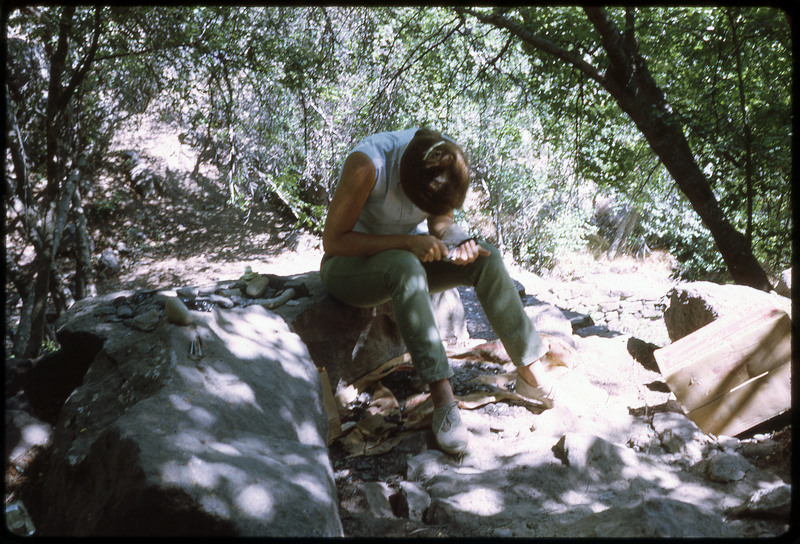
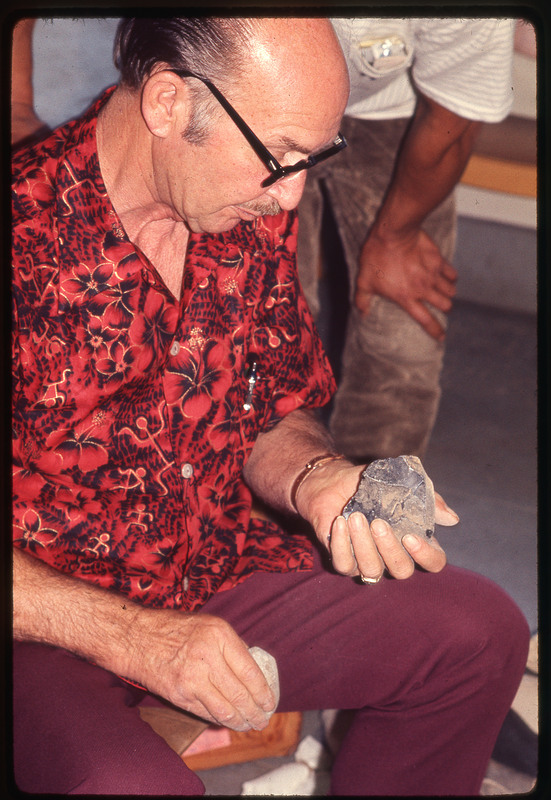
Crabtree’s lifelong passion was the investigation of the toolmaking process, not the finished product. His replication research was pivotal in the study of debitage, the debris left from rock chipping. He brought stone heat-treatment techniques to the field of modern archaeology. Though he has been gone almost 50 years, his work is relevant to a new generation of researchers studying lithic tool production, rock quarry “workshops,” ancient trade networks and settlements of prehistoric people.
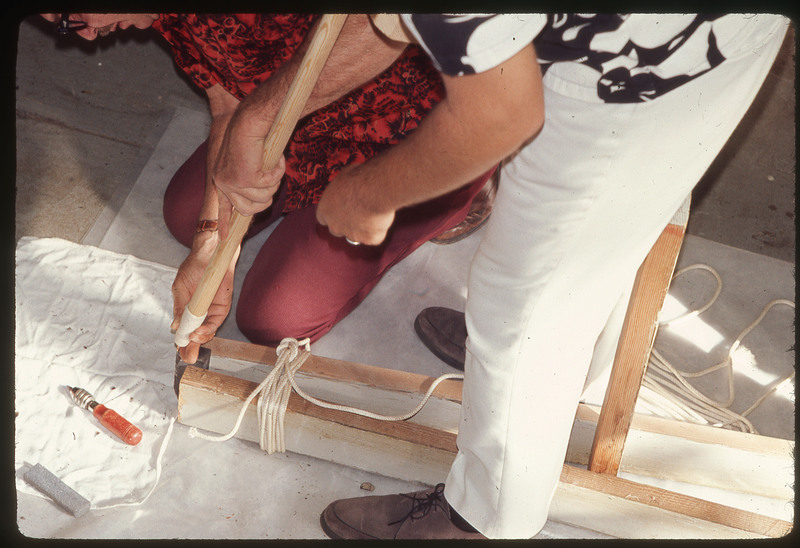
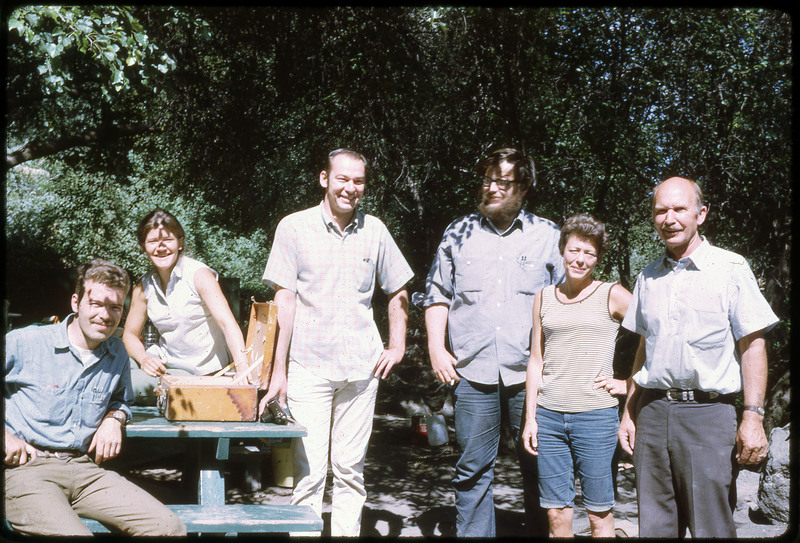
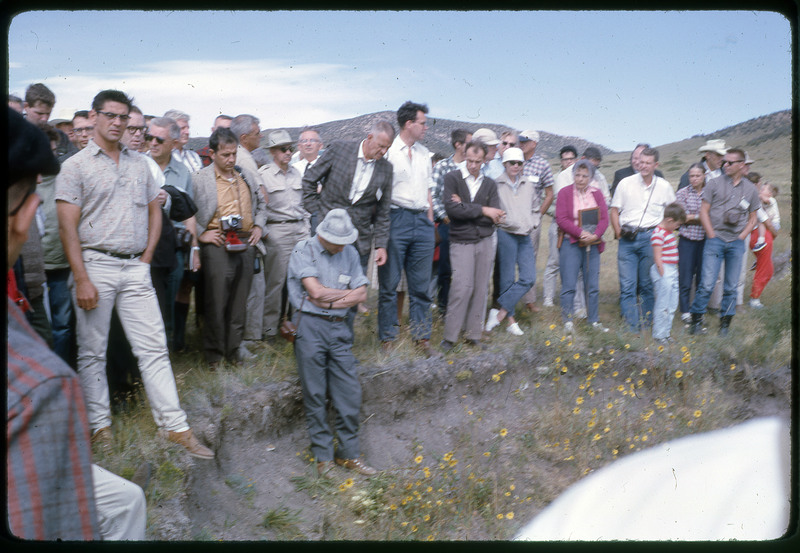
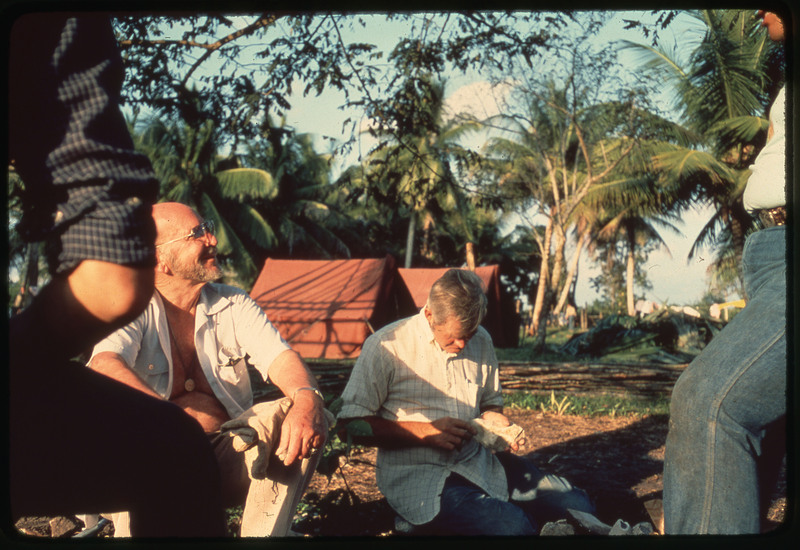
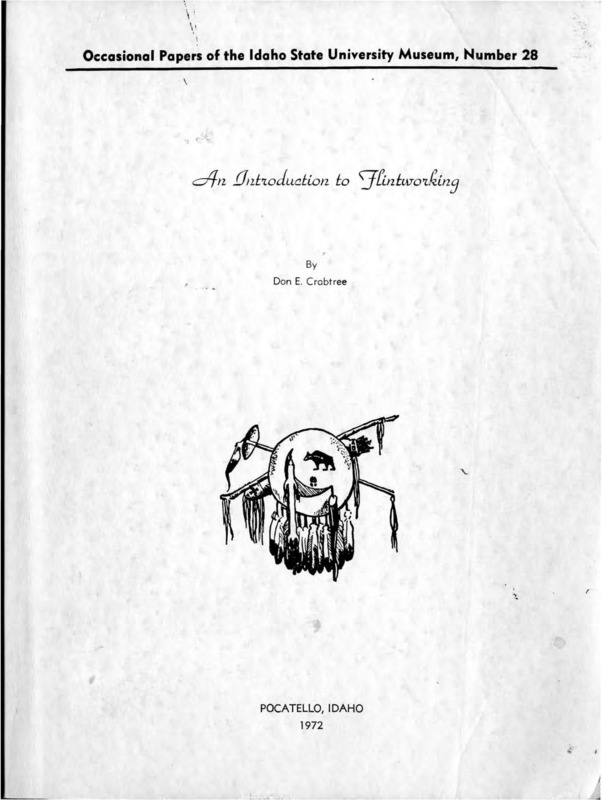
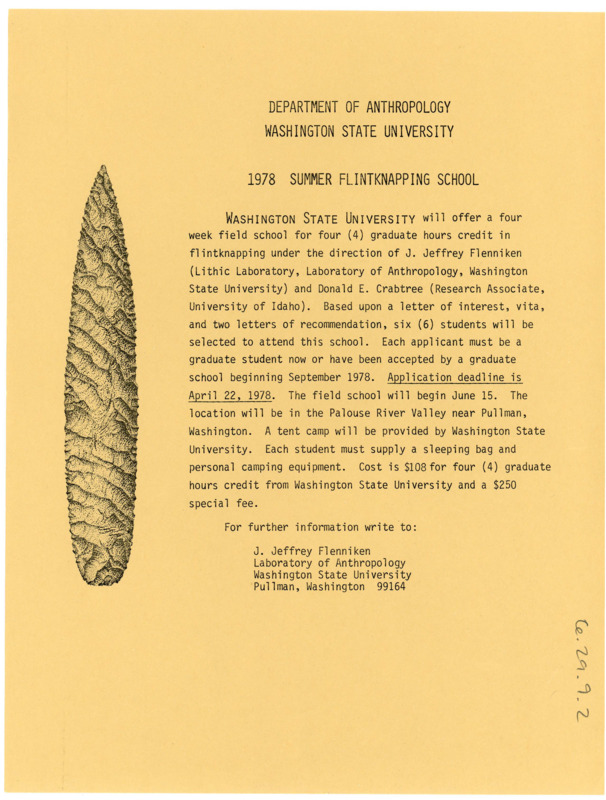
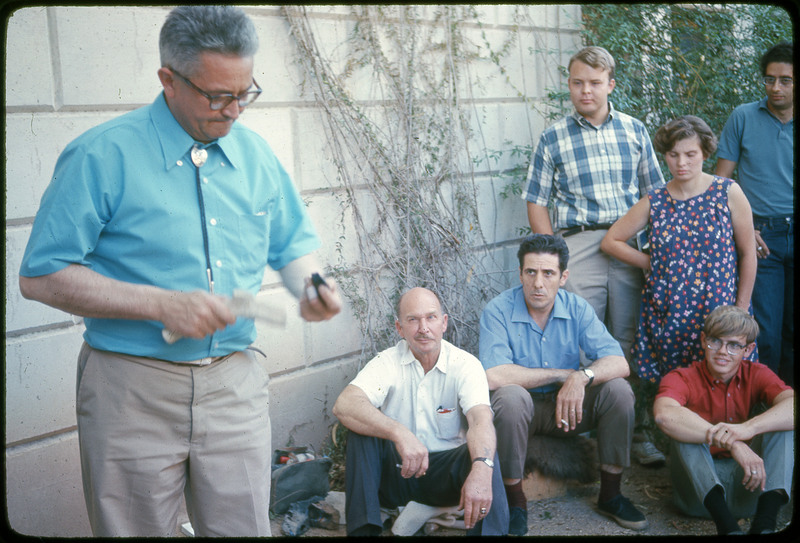
National Science Foundation funding and an affiliation with Idaho State University allowed a cadre of young Ph.D. archaeology candidates to attend Crabtree Field Schools held summers near his Kimberly, Idaho home from 1969 to 1975. Washington State University’s Lithic Technology Lab continued the field schools into the late 1970s with Crabtree in attendance.
“His contributions to archaeology are among the most significant in the twentieth century,” said Dr. Barbara Purdy, an early field school attendee and professor emerita of the Department of Anthropology at the University of Florida.
“His impact on the profession (of archaeology) was Herculean,” remarked Dr. William Andrefsky Jr., chair emeritus of the WSU Department of Anthropology and Graduate School dean.
Lee Sappington, University of Idaho emeritus professor of Anthropology in the Dept. of Culture, Society and Justice explained that Crabtree’s students and in turn their students spread his ideas and tool analysis techniques, worldwide.
Lorann Pendleton, lithic specialist and director (retired) of archaeology lab at the American Museum of Natural History in New York, N.Y. used Crabtree’s 1972 “An Introduction to Flintworking,” in her mentoring classes. “It’s the first publication I assign, as it is still the bible on flintknapping. It also serves as our primary dictionary of flintknapping terms. Without this publication, the entire field of lithic analysis simply would not exist. RARE is the scholar who can foster an entirely new field of study. Don Crabtree did that and his work is ageless.”
Read more from current experts in archaeology on Crabtee’s legacy and impact here:
“Blades and Pressure Flaking,” a film made in collaboration with French archaeologist Francois Bordes, in 1968 elevated “Mr. Crabtree” to world status. Bordes called him “a world authority on pressure flaking technique.”
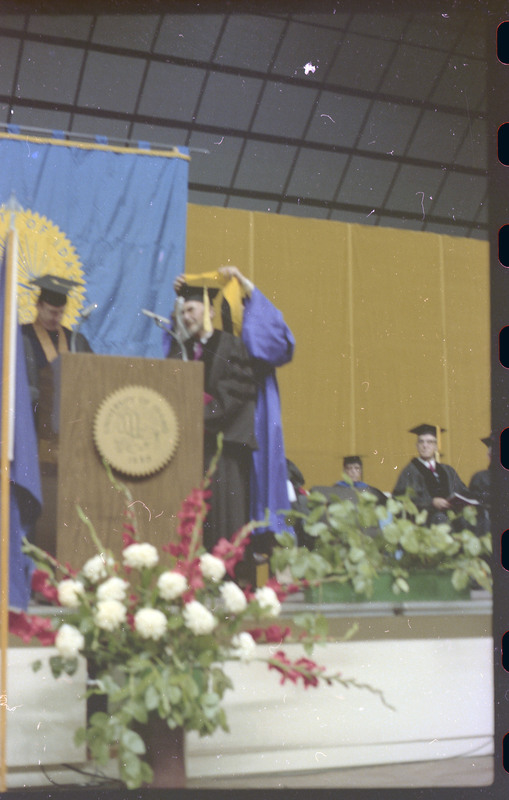
Donald Crabtree received an honorary doctorate from the University of Idaho in 1979 for “outstanding contributions to the field of experimental archaeology.” He died at 68 the following year.
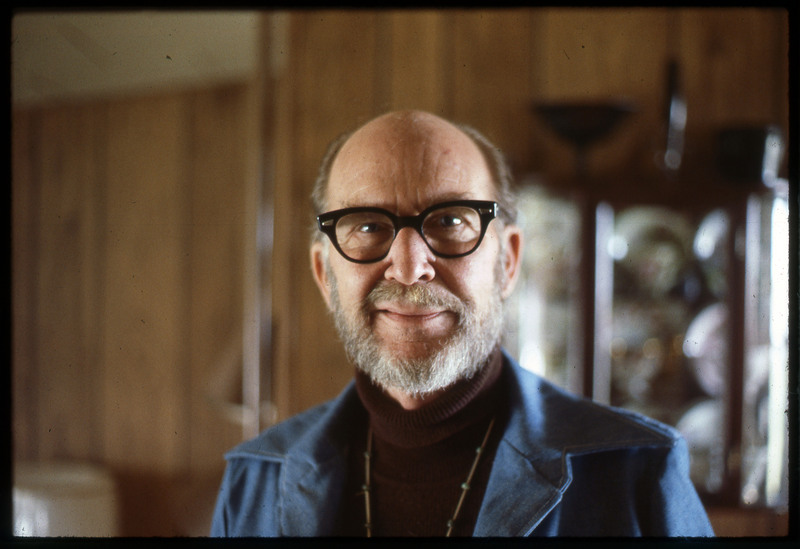
At his death, Crabtree gave his lithic collection along with research and correspondence to the Alfred W. Bowers Laboratory of Anthropology at the University of Idaho. The collection includes 3,154 stone tool replications made by Crabtree and by others as well as 4,391 archival items–photograph, slides, research documents and correspondence.
In 2021, the University of Idaho Library and the Bowers Lab received a $240,206 three-year grant to 3-d digitize a small subset of the massive collection, in the hopes of bringing the extraordinary creativity, talent, and history of Donald Crabtree to a broader audience.
Crabtree Collections Around Idaho and the World
Crabtree has significant collections in universities around the world, with three core collections in the state of Idaho:
- College of Southern Idaho Herrett Center, Twin Falls, Idaho.
- Located in Twin Falls, Idaho near his home, the Herrett Center for Arts and Science curates over 500 objects from Don Crabtree’s career. The collection predominately features tools from Mr. Crabtree’s personal flintknapping kit and examples of experimental flintknapping.
- Idaho Museum of Natural History: Crabtree Colletion, Idaho State University, Pocatello, Idaho
- The museum houses more than 1,300 objects created during Crabtree’s field schools (1969-1975) sponsored by the National Science Foundation and hosted through Idaho State University. The museum is also home to Crabtree experimentation materials and houses the originals from Crabtree/ISU filming projects.
- University of Idaho Alfred W. Bowers Laboratory of Anthropology, Moscow, Idaho.
Other collections of note:
- Celebration Park, Melba, Idaho.
- An education-focused, hands-on park, with programming centering Crabtree’s infamous heart surgeries using obsidian tools.
- Univeristy of Alberta Bryan/Gruhn Archaeology Collection, University of Alberta, Edmonton, Alberta, Canada.
Further Links
“In ‘The Flintworker’ Don Crabtree demonstrates the making of stone tools using the cone principle which predicts where and how stone will fracture. Originally produced as a motion picture in 1972 with National Science Foundation Grant. “One in a film series on the subject of lithic technology.”
- Making a hidden collection of stone tools accessible by Jylisa Kenyon, Moscow Pullman Daily News - October, 2021
U of I Dissertations
“Dr. Don E. Crabtree, as one of the pioneers of academic flintknapping, developed an experimental approach in lithic studies during 1960s and 1970s. His diverse replication studies left a great impact on the field of archaeology not only in the Pacific Northwest, but also throughout the United States, Canada, and other countries. His story outside of publications, however, has been known by a very few people. Since his life had always been intertwined with academic flintknapping, learning his life stories allows us to better understand the importance and potential of experimental approach in archaeology. With his numerous professional and personal data collection at the Alfred W. Bowers Laboratory of Anthropology, this paper revisits the life of Crabtree and explores the contributions and influences he left in the field. It intends to help lithic students and scholars appreciate what Crabtree and his hands-on method really mean to us.”
From, Reflections in Stone Tools: A Life Story of Don E. Crabtree, by Yummi Danner
Crabtree Award from the Society of American Archaeologists
“The SAA presents the Crabtree Award annually to an outstanding avocational archaeologist in remembrance of the singular contributions of Don Crabtree. A highly skilled self-taught flint knapper, he brought experimental archaeology and lithic technology to prominence among archaeologists. Nominees should have made significant contributions to advance understandings of local, regional, or national archaeology through excavation, research, publication, site or collections preservation, collaboration with the professional community, and/or public outreach.”
Crabtree field schools information
One of Crabtree’s most important legacies is the generations of flintknappers he inspired, mentored, and collaborated with via his field schools. Supported by the National Science Foundation, this unique effort was quintessentially Crabtree - bringing together folks from varying backgrounds, education levels, and walks of life, to learn the timeless art of flintknapping from a living master. Crabtree’s legacy lives in on the many practicing flintkappers today who credit his field schools as places where they, or their parents or mentors learned flintknapping.