
Rodriguez, Antonio (Tony) Hernandez
Description: Interview with Antonio (Tony) H. Rodriguez.
Date: 1991-11-05 Location: Nampa, Idaho
Interviewer: McDaniel, Patricia
Topics:
The visual topic map is hidden for screen reader users. Please use the "Filter by Topic" dropdown menu or search box to find specific content in the transcript.
Transcript
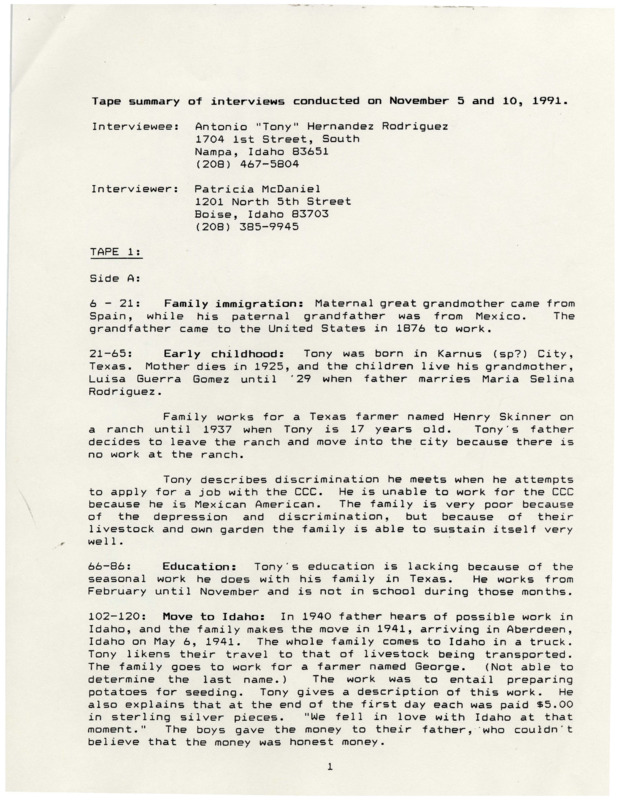
Patricia McDaniel: Okay. Today I will interview Antonio Hernandez Rodriguez of Nampa, Idaho. He lives at 1704 First Street South, Nampa. Today's date is November the 5th, 1991. My name is Patricia McDaniel.Okay. Today I will interview Antonio Hernandez Rodriguez of Nampa, Idaho. He lives at 1704 First Street South, Nampa. Today's date is November the 5th, 1991. My name is Patricia McDaniel.
Okay. Let's start. Let's talk a little about your family's immigration and see if you can remember when your family came to this country and where they came from.Muy bien. Al principio. Vamos a hablar un poco de inmigración de su familia y a ver si usted puede recordar que la. Cuando cuando vino su familia a este país y desde donde vinieron.
Antonio (Tony) Hernandez Rodriguez: Well, the only one who comes from abroad is two in my family. I know my grandmother, Delfino, came from Spain. But right now I can't remember what year she came to Spain. The other one came from my father's side. He's from Mexico. He came to work here in the United States.Bueno, el único que que viene de afuera con dos en mi familia que yo se que es mi mi visa abuela por parte de mi mamá Delfino el vino de España. Pero ahorita no puedo recordar que año ella vino a España, el otro por parte de mi papá. Él es de México, vino de México. A trabajar aquí a Estados Unidos.
Around 1876, I think, if I'm not mistaken, my father's father.Por allá como el 1876, creo, si no estoy equivoco, el papá de mi papá.
Patricia McDaniel: The great-grandfather.El bisabuelo.
Antonio (Tony) Hernandez Rodriguez: Great-grandfather is sort of like my grandfather.El bisabuelo como que viene siendo mi abuelo.
And my grandfather.Y mi abuelo.
Since I had the light of knowledge, it was from the age, like four or five years old, that we lived.Desde que yo tuve luz de conocimiento fue desde la edad, como ya de cuatro o cinco años, que nosotros vivíamos.
In Texas.En Texas.
A small town, and that's where my mother died in 1925, and I was five years old. After that, my father did his best to put us in a safe house where they would take care of us. He put us with his current mother, my grandmother, Luisa Guerra Gómez, and that's where we were.Un pueblito chico y allí fue donde mi mamá murió en 1925 y yo tenía cinco años de edad y ahí mi papá ya después de ahí mi papá hizo lo posible de de ponernos en alguna casa de seguridad que nos tuvieran cuidado con eso. Nos puso con con su mamá de ahora, mi abuelita, mi abuela Luisa Guerra Gómez, Luisa Guerra Gómez y ahí estuvimos.
We grew up to the age of, like. The age of. In 1929, my father remarried Mrs. María Rodríguez María Salinas Rodríguez, his second wife. After that, we went to the ranch, to a ranch whose owner was called Henry Skinner.Crecimos hasta la edad, como. La edad de. En 1929 mi papá se volvió a casar con la señora María Rodríguez María Salinas Rodríguez, su segunda esposa, luego de ahí nos fuimos al rancho, a un rancho que el patrón se llamaba Henry Skinner.
And that's when we started to grow. We were there until I was 17, which was in 1937. In 1937, he got a little sad about working on the ranches, and my dad decided we should go to the town to look for odd jobs here and there, because there weren't any, there was no other way to do it. The family grew.Y Y ahí comenzamos ya a crecer. Estuvimos allí hasta la edad de 17 años, que fue en 1937 y en 1937 se puso un poco triste en los trabajos de los ranchos y mi papá decidió de que nos fuéramos para para el pueblo a buscar trabajitos aquí allá, porque no había, no había otro modo de hacerle. La familia creció.
What we had there was nothing but. We went to the village and found a lot of it.Lo que teníamos ahí no era sino que. Nos fuimos al pueblo y encontramos mucha.
Patricia McDaniel: What was the name of the town?¿Cómo se llamaba el pueblo?
Antonio (Tony) Hernandez Rodriguez: In Texas?¿En Texas?
And we find a lot of discrimination about jobs. At that time, there was a governed job called El.Y encontramos mucha sobre los trabajos, mucha discriminación. En ese tiempo había un trabajo gobernado que se llamaba El.
Yes, yes, yes, yes.Si, si, si, si.
And since I applied for that job, I was already 17 years old. I applied for work, for that kind of work, and the Lord realized I wanted to leave. I went. He spoke to the woman who was in charge of collecting applications and arranging for you to get in. So, she never spoke to me, and she did that with many, many people.Y como yo apliqué para entrar a ese trabajo, yo ya tenía 17 años. Apliqué para trabajar, para trabajar en eso y el Señor se dio cuenta que yo me quería ir. Fue. Habló con la señora que se entendía de agarrar las aplicaciones y arreglarlo a uno para que entrara. De modo que a mí nunca me habló ella y lo hacía con muchos, muchos.
Many boys.Muchos muchachos.
Mexicans like that, because the bosses said no, I want him on the ranch and whatever he wants, right? Well, when, when we finally left, my dad really said, let's go, we're not doing anything here. We left, it was hard work every time the year came to harvest the crops, we even owed more money. We had to make it through that time, which was a very deep depression, this one on $12 a month.¿Mexicanos así, porque los patrones decían no, yo lo quiero en el rancho y quiera lo que quiera él nomás, no? Bueno, cuando, cuando ya nos salimos de veras que mi papá dijo ya vámonos, aquí no estamos haciendo nada. Salíamos, era jalado cada vez que que llegaba el fin del año levantaban las cosechas, hasta debíamos más dinero. Lo teníamos que pasar en ese tiempo que era la pasamos una depresión muy grande, este con 12 $ el mes.
And we were.Y éramos.
Patricia McDaniel: From $12 a month.De 12 $ al mes.
Antonio (Tony) Hernandez Rodriguez: A month's credit for food. But it was because we didn't grow enough corn, beans, sweet potatoes, and so on. And we had plenty. We had pigs, we had chickens, turkeys. And then we planted a lot of gardens, also with chilies and tomatoes and all kinds of vegetables. Well, we made ourselves very happy. We didn't bring the, ...Al mes de crédito para comer. Pero era que como nosotros levantábamos no bastante maíz, frijol. Camotes y. Y así. Y teníamos mucho. Teníamos puercos, teníamos gallina, guajolote. Y luego sembrábamos mucho jardín, también de chiles y tomates y de todo, verduras. Bien, nos hacíamos pasar muy bien. No nos traíamos la la, la la entrada de de de las provisiones a la cocina.
Whatever. We had plenty of beans. Sometimes Dad would go to town and find them cheap, and I'd bring Dad back very cheap. And when we saw that, what? Well, we just couldn't go to school. Because we had to work until a certain time. And then when we started school, it was like right now, like in November, and then we already had to leave by February 1st or mid-February. We had to leave because the boss wanted us to go plow the land, break it up, prepare it, plant corn and cotton, and everything.Como quiera. Teníamos bastante frijol. Papá me A veces este se iba al pueblo y hallaba baratas y traigo a papá muy barato. ¿Y cuando vimos que que? Pues nomás nosotros no podíamos ir a la escuela. Porque teníamos que trabajar hasta cierto tiempo. Y luego cuando entrábamos a la escuela era como aquello de como ahorita, como ya en noviembre, y luego teníamos ya pa pa para el 1 de febrero o los mediados de febrero, teníamos que salirnos porque el patrón quería que fuéramos a arar las tierras, a romperlas, a prepararlas, a sembrar el maíz y el algodón y el malamente todo.
Things like that. And we didn't have any other income, money only once a year. So, well, it's not like we decided to leave. When we left, I told him I wanted to look for work here or there, and we saw a lot of discrimination above the depression, there was so much that there were no jobs. Okay, so my dad said, well, what do you guys think?Las cositas así. Y nosotros no teníamos otra entrada, dinero nomás que año alguna vez al año. Entonces bueno, no es que decidimos salir. Cuando ya nos salimos fue donde le dijo yo que que quería buscar trabajo de aquí o allá y vimos mucha discriminación arriba del de la depresión, que había tanto que no había trabajos. ¿Okay, so mi papá este dijo bueno, pues qué es lo que piensan ustedes muchachos?
Oh my God! And we just gave him an opinion that my brother, his father, and I had formed. We heard that in the valley we called Four Texas.¡Dios tan grande! Y nosotros le dimos nomás una opinión que habíamos formado yo, mi hermano o su papá. Oímos que en el valle que le nombramos Four Texas.
There's this one over there.Allá hay este.
Jobs where people earn much more, often earning around $50 a day, and when the job is good, earning up to $3 a day. Well, with that spirit we heard, that made us want to leave there, from.Trabajos que la gente gana muchísimo más, gana unos 50 $ al día muchas veces y cuando se pone bien el trabajito gana hasta 3 $ el día. Pues con ese ánimo que nosotros oímos que nos nos hizo animarnos a irnos de ahí, de.
Texas.Texas.
So we went to look for work. We got there.Nos fuimos, pues a buscar trabajo. Llegamos allá.
Patricia McDaniel: In.En.
Antonio (Tony) Hernandez Rodriguez: In Far. And then? Then, yes, gentlemen who gathered people to take them to work.En Far. ¿Y luego? Luego si señores que juntaban gente para llevarlos a trabajar.
We worked together many times.Trabajábamos muchas veces una.
An hour, two hours a day. Many times we worked three hours and earned a dollar, one, ten, one, fifteen, or something like that in the time we worked. And during that time, that money served my dad, so he used it to bring us food and pay rent and whatever was needed for the house.Hora, dos horas por día. Muchas veces trabajábamos tres horas y ganábamos un dólar uno, diez, uno, 15 o algo así de en el rato que trabajábamos. Y en ese tiempo pues ese dinero le servía a mi papá para que nos él lo usaba para traernos comida y pagar renta y y y así lo lo necesario de la casa.
Well, there were about three, three years. I think we had it. Until one day we heard that here in Idaho they needed workers for. For. Beets.Bueno, ahí este en esos fueron como tres, fueron tres años. Yo creo que tuvimos el. Hasta que un día oímos que aquí en Idaho necesitaban trabajar trabajadores para. Para. El betabel.
Patricia McDaniel: And so.Y pues.
Antonio (Tony) Hernandez Rodriguez: 40. That was 40 when we did that. But we didn't get ready to come until 41 when a friend of my dad's, Reyes Ramírez, invited my dad and said, "Look, Pedro, son, these guys you have are very good." Well, they were good workers, and all of you there can make a few cents to make a better living.El 40. Eso fue el 40 cuando hicimos eso. Pero no nos preparamos para venirnos hasta el 41 que un amigo de mi papá, Reyes Ramírez, lo convidó a mi papá le dijo Mira Pedro hijo, tu con estos muchachos que tienes son muy buenos. Bueno, el eran buenos trabajadores y todos ustedes allá puedes hacer un centavitos pa hacerte vivir mejor.
And my dad took him at his word, and said, "If I'm going, if not, I'm going with you." "Yes, if it's true, it's here," he said, "well, come in and let's get people here." My dad made arrangements about two months before he left, and so we came. We saw, we arrived here in May, in April 6, in 1941.Y mi papá le agarró la palabra, dijo si me voy, si no me voy contigo. Un si, si es de que es aquí pues entra y la gente pa y ya, ya se arregló mi papá a unos dos meses antes de salir él y así nos vinimos, Vimos, llegamos aquí en mayo, en en abril seis, en 1941.
Patricia McDaniel: And how they came.Y como vinieron.
Antonio (Tony) Hernandez Rodriguez: In.En.
Eastbound Transit. We need to pick that up. Right? It was in.Tránsito Este. Hay que recoger eso. ¿No? Fue en.
May six.Mayo seis.
When we got here. May six East. And how I wonder if it is.Cuando llegamos aquí. Mayo seis Este. Y cómo Me pregunto si es.
Patricia McDaniel: And how they arrived in En. On a bus or in the family car.Y cómo llegaron en En. En un autobús o en carro de la familia.
Antonio (Tony) Hernandez Rodriguez: Did we arrive? No. They had the trucks with the trailer open. The big box? No. And we came, so to speak, just like the cattle say. And yes.¿Llegamos? No. Ellos tenían las trocas con las con la abierto. ¿La caja grandota? No. Y veníamos como quien dice, así como dicen el ganado. Y si.
Patricia McDaniel: To all.A toda la.
Antonio (Tony) Hernandez Rodriguez: Family, The whole family. Yes, of course, one of the sisters, or my sister, who is the only sister of my brother and I. My brother died. I don't know if you died in July, on the first. Well, we all came. My dad, my stepmother was José and Zulema and I and Santos.Familia, Toda la familia Si que por cierto que una de las hermanas o mi hermana, que es la única hermana de de de mi hermano y yo. Mi hermano murió. Yo no sé si usted murió en en en julio el día primero. Bueno, a veníamos todos nos vinimos mi papá, mi madrastra era José y Zulema y yo y Santos.
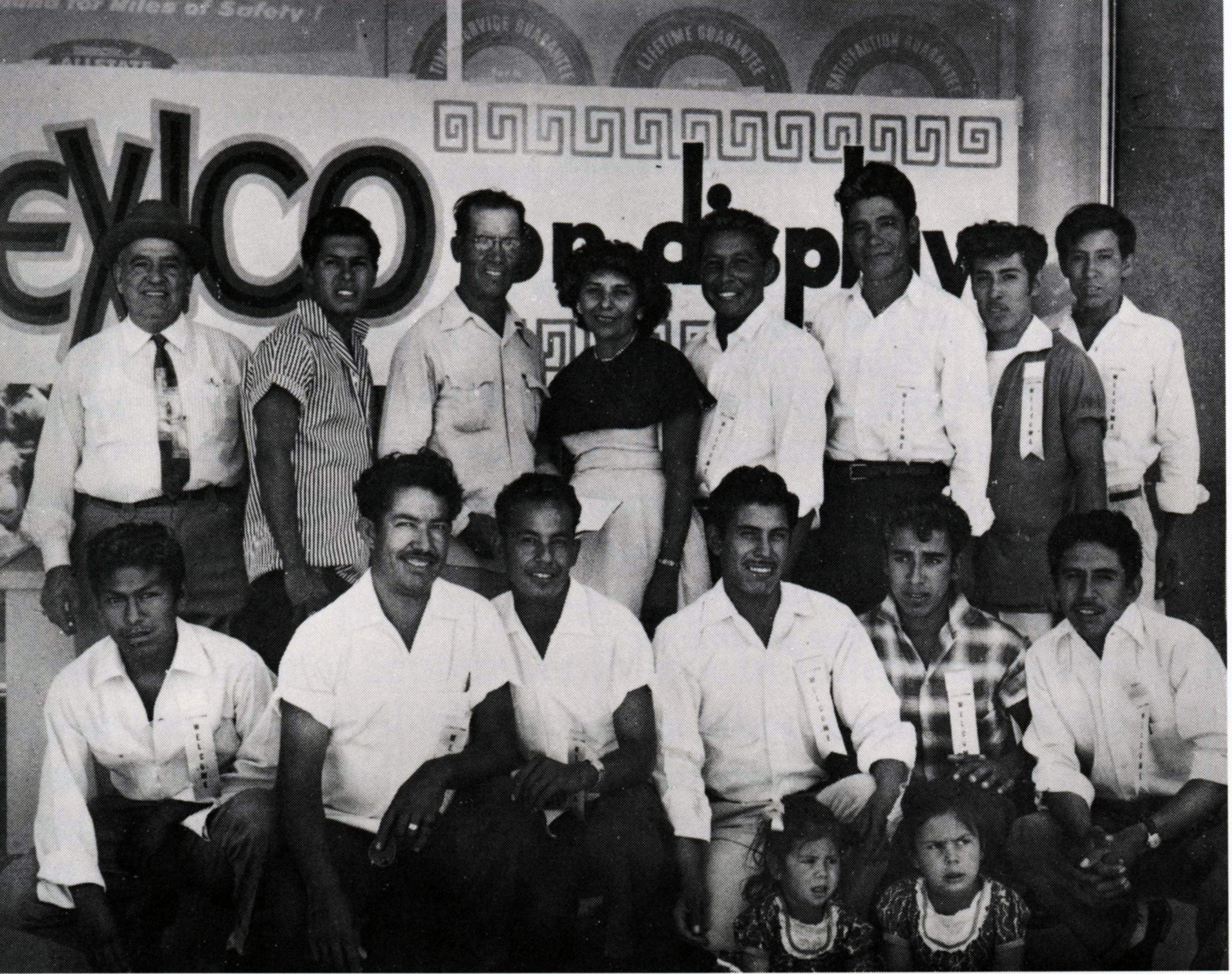
This one. And we arrived here, as I said, around May 6th, and we started working right away.Este. Y llegamos aquí, como le digo, como el 6 de mayo y comenzamos luego, luego trabajar.
Patricia McDaniel: Whom.Aquí en.
Antonio (Tony) Hernandez Rodriguez: And no and we landed in.Y no y aterrizamos en.
In Aberdeen. And it went down the drain.En Aberdeen. Y dejó ordinario.
And on the second day that he was there at that little ranch, a man named.Y el segundo día que está ya de estar allí en ese ranchito, un señor llamado.
George and what.George y que.
He came and saw us there playing ball with a stick. We were playing there, kicking the ball around. This guy comes and asks us. He was a hoarse guy, he was fine. He performed an operation on our throat and he's left hoarse. His voice is very, very hoarse. But anyway, he was the one who told us, "Guys, do you want to work in English?"Vino y vio que que andábamos nosotros ahí jugando a la pelota con una barra, andábamos jugando ahí, hacíamos la pelota, este viene y nos pregunta. Era un ronco, estaba muy bien. Nos hizo una operación en la garganta y quedó ronco. Muy, muy desaforada la la voz. ¿Pero como quiera él fue el que nos dijo Muchachos, ustedes quieren trabajar en inglés?
No? And then? Then we don't get close to the English. And since we don't want to work, that's why we came then. Well, tomorrow he said, "I want to take you to teach you how to cut potatoes. The seed. Well, he says that another day we never needed this sleep because by 5:00 we were ready, and then he comes, they come here around 7:00 and he put us in his cart and took us to an underground plant where they harvest potatoes in winter, and there they had the one they call it, you fill it with potatoes and then the potato comes out little by little and the blades stop.¿No? ¿Y luego? Luego no nos arrimamos contra el inglés. Y como no queremos trabajar. A eso vinimos entonces. Bueno, mañana dijo Quiero llevarlos a enseñarlos a cortar papas. La semilla. Bueno, pues dice que otro día nosotros este el sueño nunca nos hacía falta porque ya pa las 05:00 estábamos listos este y luego viene, vienen aquí como de las 07:00 y ya nos echó él a su carrito y nos llevó a una subterranea que donde alzan la papa en invierno y ahí tenían la que le nombran la llena uno de papa y luego está saliendo la papa poco a poquito y las cuchillas paradas.
There we grab the potato and cut it, and cut the other little piece and put it in a sack. Here we go, and well, we work, we work a good day, we say we work until about three and then he comes, and that's enough. Tomorrow they come again. So that day, for that day, he gave us $5 in pure silver, silver pesos each for one day.Ahí agarramos la papa y la la corta y corta el otro pedacito y la tachando en un saco. Aquí vemos y pues trabajamos, trabajamos un día bueno, vamos diciendo que trabajamos como hasta las tres y ya viene él y con eso es bastante. Mañana vienen otra vez. Pues ese ese día, por ese día nos dio a nosotros 5 $ de plata puro, pesos de plata cada uno por un día.
During that time we worked there, our hearts opened to a state of rage. John, "Well, we looked. We wanted to know, what were you going to tell us? You have to work for all the other things, right? And when we were about to get in the car, I said, "Well, I told you how much work is going to cover with this and with what you did just now?"Por ese rato que trabajamos ahí mismo, se nos abrió el corazón al estado de ira. ¿John Bueno, nosotros miramos, nosotros queríamos que que nos nos iba a decir ese dinero tienen que trabajar ustedes por todas las demás, no? ¿Y ya cuando nos íbamos subir al carro digo bueno, le dije qué tanto trabajo va a cubrir con esto y con lo que hicieron hora nomás?
Well, we'd be happy to go with Dad and give him that money. And by the way, he was just about to tell us where you guys got this money from? That much? Right, right?¿Bueno, vamos nosotros bien gustosos con papá y le dimos ese dinero y por cierto que ya mero nos decía de dónde agarran ustedes este dinero? ¿Tanto? ¿Correcto, verdad?
Patricia McDaniel: And it was like they robbed us.Y estaba que nos robaron.
Antonio (Tony) Hernandez Rodriguez: I want God to burn my tongue. If I'm lying. Well, no, I'll get over it. Every other day he would call us to see if we had time because we were committed to the Lord wherever we were living. It was his name.Quiero que Dios me queme la la lengua. Si estoy echando mentiras. Bueno, pues no, ya de ahí pa allá. A cada otro día nos llamaba pa que si teníamos tiempo porque estábamos comprometidos con el Señor donde estábamos viviendo. Se llamaba.
White.Blanco.
He was German. This old man died, and he started working with beets. The whole family started working, and we started making a lot of money. There were times when we were young, you know, we made up to $7. My dad, well, we helped him. He wasn't as light-hearted as we were.Era alemán, ya murió el viejito este y ya él comenzó su trabajo de betabel y y comenzamos a trabajar toda la familia y comenzamos a hacer muy buen dinerito. Había veces que nosotros como estábamos jóvenes sabes que hacíamos hasta 7 $. Mi papá bueno, le ayudábamos. El no era tan ligero como nosotros los.
Youths.Jóvenes.
But we still made it pretty well, the 25 to 30 dollars a day, but we worked hard from sunrise to sunset every semester. Well, and so we left and went to the town. And when the blood ran out, my dad decided. Saying, guys, Texas has nothing for us. As you can see, we're with you as well.Pero como quiera hacíamos o muy bien los 25 hasta 30 dólar el día, pero bien trabajado de sol sale al sol semestre Bueno, y así nos fuimos y nos fuimos en el pueblo. Y cuando se acabó el el de sangre, betabel decidió mi papá. Diciendo muchachos. Texas no tiene nada para nosotros. Como ven, nosotros estamos con usted como bien este.
And we're going to look for stable work here. Well, look, the summer jobs are gone. And then winter came, and all the potatoes in the Valley were harvested.Y nosotros vamos a buscar trabajo estable aquí. Bueno, mire, se se pasaron los trabajos del del verano. Y luego llegó el invierno que se recogió toda la papa de de del del Valle.
And then we looked for work in the underground branches and we got some and we worked all winter, so that at that time they paid us another 75 cents an hour. And it was a lot, a lot, a lot of good money compared to where we came from. Okay. And so it went on for two years until I got my.Y Y luego buscamos trabajo en las ramas subterráneas y conseguimos y trabajamos todo el invierno este, a fin de que en esa vez nos pagaban otros 75 centavos. La hora. Y era mucho, mucho, muy buen dinero comparando con donde veníamos. Okay. Y Y así pasó por dos años hasta que yo agarré mi.
My readings.Mis readings.
From military service in 1943.Del servicio militar en el 1943.
Patricia McDaniel: We'll come back to that in a moment, Meanwhile, they were living there in how they lived in a house to rent or buy a house.Vamos a regresar a eso en un momento, Mientras tanto, estaban viviendo ahí en en cómo vivieron en en casa a una rentado o comprar un casa.
Antonio (Tony) Hernandez Rodriguez: No, sir. We lived in a stable that had some nicely appointed rooms. Right. But when we finally got a job, in two or three years, we moved to the village, to some apartments. It's very convenient with all of them. A small kitchen and a 4th bedroom, a thousand and one. And a bathroom and everything were very convenient.No el señor. Vivíamos en una caballeriza que tenía unos cuartos bien arreglados. Este. Pero cuando ya agarramos nosotros trabajo en dos o tres años, nos cambiamos pa el pueblo, pa unos departamentos. Viene muy bien con todos o con todos. Cocinita y 4.º, mil y. Y baño y de todo venía muy bien.
Patricia McDaniel: An apartment for the family.Un apartamento para la familia.
Antonio (Tony) Hernandez Rodriguez: No, no, no, I know apart. I was already married. Aha. But me. You know the custom there, each one with his father, until the father says, "Okay, from now on everything and." And so, when we started working on it, in the winter was when he told me. And he said, "And you can smoke in front of me if you want, you're a man now."No, no, no, yo sabo aparte. Yo ya estaba casado. Ajá. Pero yo. Usted sabe el costumbre de allá cada uno con su padre, hasta que el padre le dice Bueno, de aquí en adelante todo y. Y así, cuando comenzamos a trabajar en el, en la en invierno fue cuando me dijo Y dijo Y puedes fumar delante de mí si tú quieres, ya eres un hombre.
Patricia McDaniel: And not.Y no.
Antonio (Tony) Hernandez Rodriguez: No, no nothing.No, no nada.
We had a very high level of respect for each other, and everything he said was... There were no reproaches, and there were no bad replies to him, nothing.Teníamos muy alto respeto a más y todo lo que él decía era No había reproches ni había. Contestaciones a él malas, nada.
Patricia McDaniel: He was the boss.Él era el jefe.
Antonio (Tony) Hernandez Rodriguez: And he wasn't a good boss. He wasn't opportunistic, he was nothing. Nothing more came out of himself. He says, well, you're a man now, you have your family, and that's it. He even gave me a little money. He said, "Look, he's already looking, I'll party him up, and from there on out." God bless you.Y buen jefe y él no era. Él no era aprovechado, no era nada. Nada más de él mismo salió. Dice, pues que ya eres un hombre, tienes tu familia y aquí ya está. Hasta un poquito de dinero me dio. Me dijo Mira, ya está buscando, lo partí de fiestas y de ahí pa allá. Dios te bendiga.
Patricia McDaniel: And let's talk a little about the community. There were other Hispanics at Everything, there was a Hispanic community.Y vamos a hablar un poco de la comunidad. En Everything habían otros hispanos, había una comunidad hispana.
Antonio (Tony) Hernandez Rodriguez: No, there weren't, there weren't, as they say, a neighborhood or a neighborhood is born. There were Hispanics, who came to work, there were, I'll tell you right now, two families there who had been there since 1938. The first ones left, the gentleman was Don Rafael Mercado and... And those who...No, no había, no había, como quien dice una un barrio o nace. Había así hispana, que venían a trabajar, había ahorita te digo nomás dos familias ahí que ya estábamos ahí desde el 1938 se fueron las primeras que eran el señor era don Rafael Mercado y. Y los que.
And another, another family, Cepeda, Longoria, from Peru. No, no, no, I don't remember the names of the old people, but that's how it was. And we came. We stayed that year, 1941, and then they arrived in '42, two or three more families arrived and stayed and stayed. And the more we don't, now yes, now there is a neighborhood.Y otro, otra familia, Cepeda, Longoria, de Perú. No, no, no, no me acuerdo de los nombres de viejitos, pero así había. Y nosotros nos vinimos. Nos quedamos ese año que fue el 1941 y luego llegaron el 42, llegaron ya dos o tres más familias y se quedaron y se quedaron. Y entre más no, ahora sí, ahora sí hay barrio.
Patricia McDaniel: There are quite a few, there are quite a few. What I'm interested in is knowing how you spent your hours after working at Everything, when you were newcomers, after arriving, for example, at the beginning of the season in April, how you spent your rest hours?Hay bastantes, hay bastantes. ¿Si lo lo que lo que me interesa es saber a vamos Cómo pasaron las horas después de trabajar en Everything, cuando cuando eran recién llegados, después de llegar, por ejemplo, al principio del de la temporada en en abril digo cómo pasaron las horas de descanso?
Antonio (Tony) Hernandez Rodriguez: Well, there were. As we were, as it was, there were the young people and everyone. No, we weren't used to going to, as we call it, weekends, to a bar, to go and chat and do this, they weren't.Bueno, había. Nosotros como estábamos, como era, estábamos los jóvenes y todos. No, no estábamos acostumbrados de ir a nosotros a como vamos diciendo los weekends, a ir a una cantina, a ir a platicar y hacer esto, ellos no.
Smoking and everything.Fumando y todo.
That's it. We didn't have that, did we? But we did have fun because I was free to go kill hares, rabbits, or birds to eat and all that. We were going to change all that, but there wasn't one. At that time, there wasn't even a Catholic church, which was where we came from, our religion.Eso. ¿Nosotros no teníamos eso, verdad? Pero sí nos divertíamos porque estaba muy libre de ir a matar liebres, conejos o pajaritos pa comer y todo eso. Nos íbamos a cambiar todo eso, pero no había. En ese tiempo no había ni iglesia católico que éramos donde descendemos nosotros, la religión de nosotros.
There wasn't that, he didn't get in there until we had already left when he got in in 1900. I think it was in 1960 or 58, around that time for quite a while.No había eso, no entró ahí hasta como el ya nos habíamos salido nosotros cuando entró en 1900. Yo creo que fue en 1960 o 58, por ahí bastante tiempo.
Patricia McDaniel: Yes, yes, yes.Sí, sí, sí.
Antonio (Tony) Hernandez Rodriguez: People started to gather. Yes, yes. And they spoke to Mr. Al. The father of the boss there. Of the. Put it on. And the bishop came and saw that there were a lot of people. Then they built a little church there with No, and now it was really nice there. And there are a lot of Mexican people, and look how nice it is now, and wherever you look, all the people come in.La gente se comenzó a juntar. Sí, Sí. Y le hablaron al al señor Al. El papá de. Jefe de ahí. De de. Póngaselo. Y el el el vino el obispo y vino a ver en vivo que había mucha gente. Luego hicieron una iglesita ahí ya con No y ahora sí estaba bien bonito ahí. Y hay mucha gente mexicana y vean qué bonito está ahora y dondequiera este que mira usted va, entra toda la gente.
Girl or young man.Muchacha o joven.
Man, secret business is all mixed up. I mean.Hombre, los negocios de secreta área son todo revuelto. O sea.
Patricia McDaniel: Now yes.Ahora sí.
Antonio (Tony) Hernandez Rodriguez: Yes, now.Sí, ahora.
Patricia McDaniel: Yes, but not before.Sí, pero antes no.
Antonio (Tony) Hernandez Rodriguez: No. And that's not the town. Listen, I've never experienced any kind of discrimination.No. Y ahí no es el pueblito. Oiga, Nunca conocí yo una clase de discriminación.
Patricia McDaniel: There wasn't one. That's why.No había. Por eso.
Antonio (Tony) Hernandez Rodriguez: No.No.
There is still none.Hay todavía tampoco.
Patricia McDaniel: And not in schools either.Y en las escuelas tampoco.
Antonio (Tony) Hernandez Rodriguez: Neither, huh? There weren't any here either. But when the Germans started the war, they were the ones here. The ones who were afraid. This discrimination against any race, not just us, the Japanese, Blacks, and Indians. And all because they lost the war. That's why they turned back, they came together. Oh, what, the workers. But they lost everything.¿Tampoco, Eh? Aquí tampoco no había. Pero cuando comenzó la guerra de los alemanes, aquí eran los que. Los que le tenían miedo. Este discriminación a cualquier raza, no nomás a la nosotros japonesa, negros e indios. Y todo porque perdieron la guerra. Por eso es que se se volvió, se juntaban. Ay que, que que los obreros. Pero todo lo perdieron.
I was one of those who fought hard against discrimination. I was the first to remove all the Simpsons they had here. This one here in the underworld, they had nothing like that: no Jews, no Mexicans, no Blacks, no Indians, no Japanese, no dogs. Mhm. So be it.Yo fui uno que peleé la discriminación muy fuerte fue el primero que quitó todos los Simpson que tenían aquí. Este aquí en hampa tenían así nada, no judíos como mexicanos, no negros, no indios, no japoneses no perros. Mhm. Así sea.
Patricia McDaniel: Here in the.Aquí en la.
Antonio (Tony) Hernandez Rodriguez: Country. And here I was already working at the barbershop, when my daughter came and complained to me. The big one is there, Olga. And that's where I took up arms. But since I was going to school, I was governing.País. Y aquí estaba trabajando yo ya en la barbería, cuando mi hija vino, me dio una queja. La grande está ahí, está Olga. Y ahí es donde yo me levanté en armas. Pero como yo estaba yendo al colegio, a la escuela, en. Estaba yo gobernando.
Government in Politics six. Well, different classes, right? Huh?¿Government in Político seis En fin, diferentes clases, verdad? ¿Eh?
Make me understand my rights here in the United States after coming to fight for another nation defending it, coming back, seeing that here the housing of the Mexican, the Indian and everything was worse.Hacerme entender mis derechos aquí en Estados Unidos después de venido a pelear a otra nación defendiendo esta viniendo pa atrás, viendo que aquí estaba peor el el la el la vivienda de de del del mexicano, del indio y todo que.
Hitler has that.Hitler tiene eso.
Patricia McDaniel: So if you went to a.Entonces si usted fue a a.
Antonio (Tony) Hernandez Rodriguez: To Germany.A Alemania.
Patricia McDaniel: Germany? Yes. In what year?¿Alemania? Si. En qué año.
Antonio (Tony) Hernandez Rodriguez: It was the 40th.Fue el 40.
And five? Mhm. Yeah, yeah. At the end of the year.¿Y cinco? Mhm. Ya, ya. Al fin del año.
Patricia McDaniel: At the end of the war.Al final de la guerra.
Antonio (Tony) Hernandez Rodriguez: If not, the war would have already ended. Yes, that's right. I arrived there 19 days after it ended, because they were there. Me, me.Si no ya la guerra ya se había acabado. Sí, este. Yo llegué allá 19 días después de que se acabó, porque estaban. Yo yo.
I was in.Estaba en.
April.Abril.
We'll never see each other again. When I came, I was in. We were in. I've even forgotten the name of the guy from the little field.No volvemos a ver. Cuando venía estaba en. Tuvimos en el. Ya se me olvidó hasta el nombre del del campito.
But it's in New Jersey.Pero es en New Jersey.
And we were ready to leave. When the war ended, we were already on the boat. When the war ended, right? There were a lot of kids who were enjoying themselves, they jumped into the water from the boat.Y nosotros estábamos ya pa salir. Cuando se acabó la guerra ya estábamos en el barco. ¿Nosotros cuando se acabó la guerra, eh? Hubo muchos muchachos cata de gusto, se dejaron caer al agua del barco.
And you? I wasn't, of course, very cold. You were very cold. And then, like, they took us back to the barracks for two days. And then they took them back to the Rainforest and started throwing us out again. And they put us on the list of... As they call it... The peacekeepers, as they call it...¿Y tú? Yo no, claro, muy frío. Tú estabas muy frío. Y luego, como nos sacaron por dos días pa atrás a las barracas. Y luego los volvieron a Rainforest y nos comenzaron a echar otra vez. Y nos pusieron en la lista de. Como le dicen al. Al. Las fuerzas de paz, como le dicen que.
They had to write us down on papers to explain what we were. All of this took us two days, but there were a lot of us, 5,000 of us on the boat. I was one of those who got to go there because I was very lucky, because when things were going well, they put us there. We arrived at the Desco, where there were four or five men there.Nos tuvieron que poner en sobre eso en los papeles que éramos. No más sobre todo esto nos agarró dos días, pero íbamos muchos, íbamos 5000 en el barco en. Fui uno de los que me tocó ir para allá porque con mucha suerte, porque cuando las cosas iban en línea ponían. Llegamos a la Desco, donde había cuatro o cinco hombres, ahí.
Generals, some generals like with their.Generales, unas generales como con su.
And all that. And he said, well, you.Y todo eso. Y decía bueno, tú.
You come or.Vienes o.
Since you're going to the Pacific, and the second one, you, even I want to, and you go to the Pacific, from your to there. What they did is they divided us up. I took a friend who we wanted to go together, because they sent him to the Pacific, and me there, and that's why I did it. Well, they didn't know how long it would last, or they didn't know anything.Como tú vas pa Pacífico y el segundo tú, hasta yo que quiero y tu pa pacífico de tu pa allá. Lo que hicieron es que nos repartieron. Yo llevo a un amigo que queríamos que fuéramos juntos, pues lo echaron por el Pacífico y a mí allá y por eso lo lo hacía. Bueno, que no sabían que tanto iba a durar o no sabía nada.
Still everything. The Germans have already dominated them and taken away their weapons and all that, but this one, anyway, we landed at the...Todavía de todo. Ya los alemanes ya los han dominado y le quitaron las armas y todo eso, pero este como quiera llegamos a aterrizamos a la.
In the in the.En la en la.
That's where we are. And then we were there for about 30 days until they kicked us out. But I arrived there 19 days later.Ahí estamos nosotros. Y luego estuvimos como 30 días ahí por cuando nos echaron. Pero yo llegué allí 19 días después.
Patricia McDaniel: After the.Después de la.
Antonio (Tony) Hernandez Rodriguez: Yes, it took us almost nine days, 12, ten days, 12 days or so.Si, nos agarró casi los nueve días, 12, diez días, 12 días por ahí.
And the water.Y el agua.
Patricia McDaniel: He stayed in Europe.Se quedaba en en Europa.
Antonio (Tony) Hernandez Rodriguez: Or I had. I didn't come until the or I lasted close to two years, like a year, 11 months.O tuve. No vine hasta el o duré cerquita de los dos años como como un año, 11 meses.
Patricia McDaniel: Well, in France.Bueno, en Francia.
Antonio (Tony) Hernandez Rodriguez: No, not in Germany, in France only a month when we entered.No, no en Alemania, en Francia nomás un mes cuando entramos.
Patricia McDaniel: And from Germany he returned here.Y desde Alemania volvió aquí.
Antonio (Tony) Hernandez Rodriguez: Yes, come in.Sí, pase.
Patricia McDaniel: Yes, and don't talk a little about your work with anyone. Discrimination. No.Sí y hable un poco de de su trabajo con nadie. Discriminación. No.
Antonio (Tony) Hernandez Rodriguez: Or well, when. When I came back, I came with this mind, recharging my mind. On the study I wanted. I wanted to study. I wanted to go to school. I wanted to learn more. And I myself. I analyzed my way of thinking about the businesses I wanted, knowing that I couldn't do it. It's because. I corrected it because of the lack of education I had.O bueno, cuando. Cuando yo llegue atrás, yo venía con con mi mente este recargando mi mente en. En estudio que yo quería. Yo quería estudio. Yo quería ir a la escuela. Yo quería aprender más. Y yo mismo me. Me analizaba mi mi modo de pensar en negocios que yo quería, sabiendo que yo no lo podía. Es que. Corregir por la falta de educación que tenía.
But all the time I had a. A big one as they say.Pero todo el tiempo tuve un. Un gran como le dicen.
In English Y.En inglés Y.
You never and I was and I was granted that when I. When I arrived.Tú nunca y se me y se me se me concedió que cuando yo. Cuando llegué.
Here.Aquí.
We started hearing about it before I left the military service that I did.Comenzamos a oír nosotros antes de salir del servicio militar que fui.
Scrapped by Luis Washington.Desechado en por Luis Washington.
This. Or what were going to happen, Bill.Este. O que iba a haber estos Bill.
Bill of sino.Bill of sino.
That the military was able to go to schools, certain classes that one could, that one wanted, right? And it started for me.¿Que los militarmente para ir a a las escuelas ciertas clases que uno podía que quería verdad eh? Y se me comenzó.
Okay, I passed through here in Tampa, but from here, from Chicago. I told my wife that she'll be there for about ten, fifteen minutes. And I want you to give me at least $10 because I haven't had any money for almost six months, because when we went to sign for it, we were saying, my name was written here.Que bueno, yo pasé por aquí por Tampa, pero de aquí de de Chicago. Yo yo le hablé a mi esposa que ahí va a estar como diez, 15 minutos este. Y quiero que me des que me tengas si quiera unos 10 $ porque tengo casi los seis meses de no agarrar dinero, porque cuando fuimos a firmar para vamos diciendo el nombre mío está escrito aquí.
I had to put my name here, pay my fee and the gentleman in front of me put his name in my line and that was the end of it for him and me, because I had to come.Yo tenía que poner mi nombre aquí, pagar mi pago y el señor que iba delante de mí puso su nombre en mi línea y ahí se acabó pa él y pa mí, porque tenía que venir.
Everyone to Washington D.C.Todos pa Washington D.C.
And arrange it here and then send for the paperwork. But as soon as he caught his flight, they got news that my time was almost up. They didn't send me anything, and they didn't pay me. We did pay me, but the...Y arreglarlo aquí y luego mandar a traer los papeles. Pero como agarró su vuelo agarraron noticias que que ya mi tiempo se se estaba llegando bien, no me mandaron nada, sí y y no me pagaban, me pagamos, pero el el.
The second Kenneth.El segundo Kenneth.
Kenneth, who was telling me, Tony, are you going to take all this? But they gave me a little piece of paper to sign and I took it like that.¿Kenneth quien me decía Tony, vas a agarrar todo esto? Pero me daban un papelito que yo firmara y yo agarraba como.
Chu chu space y.Chu chu space y.
Things I wanted there.Cosas que yo quería ahí.
From the PX.Del del PX.
And we discounted all of this and all of that because that was like a test I had to take. This wasn't good either because I didn't lose any money. Well, when we arrived, I had all these new things here, from when I arrived back and so on. My wife was also very illiterate, so to speak. She went to school, but no, no, she didn't know enough yet.Y todo esto y pues todo eso lo rebajamos porque ese era como como una prueba que yo debía. Tampoco esto estaba bueno porque yo no perdí dinero. Bueno y bueno, cuando llegamos tenía todas estas nuevos aquí, desde cuando llegué pa atrás y pues. Mi señora también era era muy analfabeta, como quien dice. Ella fue a la escuela, pero no, no, no sabía bastante todavía.
What I was saying to myself: Well, you know, there's a school in Mexico that doesn't train you. There's going to be something like this for you, a veteran.Yo lo que me decía. Pues sabes que hay una escuela en México sin formarte, va a haber esto como pa ti que eres veterano, Este.
If I already went and.Si ya fui y.
Yes, but I needed a job too, and uh, I've always liked this barbering job. And then? Then, then, then I went here to the.Si, pero como necesitaba trabajo también y eh, todo el tiempo me gustó este el trabajo de barbero. ¿Y luego? Luego, luego, Luego fui a aquí a la.
Administration.Administración.
And I submitted my application and everything. No, then they caught me. I mean, how hard it was for me to get in. It was in '47, it came out in December, '46, in December 7, and then by November 10, also in January 1947, I was already going to barber school, and the government paid me $90.Y puse mi mi aplicación y todo. No, Luego me agarraron. O sea, lo duro que fue que yo entré. El 47 que fue, salió en diciembre, el 46, en diciembre siete y luego ya pa el 10 de noviembre también de de enero de 1947 ya estaba yendo yo la escuela de Barbero y me pagaba el gobierno 90 $.
Per month. And they still gave my wife 80 a month, like everything she was receiving when I was there, even though she was in school for six months. And when I finished school, I started studying. Then I became an apprentice, but as an apprentice, I was already earning a little bit, okay? And they let me spend a year.Por mes. ¿Y a mi señora le daban todavía le siguieron dando 80 por mes, como todo lo que estaba recibiendo cuando yo estaba por más que estuvo así seis meses en la escuela y ya cuando acabé la escuela, la el estudio, luego luego me fui de aprendiz, pero de aprendiz ya ganaba yo un poco okay? Y me dejaron pasar un año.
I had to be an apprentice for a year. They let me spend a month to see how much I could make per month. No, if I stayed a little longer, then I think I turned out to be pretty bad at beards or haircuts. Well, that's where I was. I was an apprentice for a year, and at the same time I was doing the picking and picking.Tuve que estar un año un aprendiz, me dejaron pasar un mes a ver qué tanto podía hacer yo por mes. No, si sigo bastantito, entonces yo creo que salí poco bueno para la barba, para cortar el pelo. Bueno, ahí estuve. Un año de de de aprendiz y al mismo tiempo yo iba y recogía.
Little boards and the fixed foot, that's how I started it.Tablitas y del del pie fija así yo lo empecé.
And I had to gather little boards here, there, and this, what I did here, so when I finished my apprenticeship there, I said, well, I'm going to do the struggle of opening my barbershop in my house, right there, not in my house? Yes, that's how it was. When I finished everything, I already had everything, this or everything, everything like this, these old women with horny skin were there, and I fixed everything up nicely.¿Y tuve juntando tablitas y aquí, allá y este, lo que hice aquí pa cuando acabé mi aprendiz allá que dije pues yo voy a hacer la lucha de hacer mi barbería en mi casa, ahí cerquita, en mi casa no? Sí, así fue. Cuando acabé todo ya tenía todo esta o todo, todo así, estas viejas de piel calentona estaba y todo arreglé bien.
Then I was inspired by.Entonces yo inspiré por.
More study.Más estudio.
Collage. I had the barbershop that fulfilled my.Collage. Tenía yo la barbería que cumplí con mi.
Master barber license.Master barbería licencia.
Not the one I can work on my own. So I applied for going to school at night.No la que yo puedo trabajar solo. Entonces apliqué por por irme a la escuela en la noche.
Patricia McDaniel: And I opened the university.Y abrí la universidad.
Antonio (Tony) Hernandez Rodriguez: Yeah.Sí.
But I wasn't there for long. I only had three weeks, because at that time they were already working on the idea that those studios should also be here, in a place for the people, kids from here who didn't, didn't need to go there because I was paid for everything, the government paid me, the boss paid me. They gave me some tickets from here and another from here, and it went on, and it wasn't bad, they changed it here.Pero ahí no estuve mucho. Tuve nomás tres semanas, porque en ese tiempo ya le estaban trabajando de que esos estudios debían estar también aquí en un lugar pa la gente, muchachos de aquí que no, no necesitaban ir allá porque a mí me pagaba todo, me pagaba el gobierno, el boss, me daban unos tickets de el ticket de aquí y otro de acá y sigue y no mala cambiaron aquí.
I said, "I'm going to get old here." It doesn't help if I study a little.Dije aquí me voy hacer viejo. No le hace estudiando un poco sí.
And yes. And a.Y sí. Y a.
I learned a lot about how one feels free to make decisions about things that are happening.Aprendí bastante en el modo de que se siente uno libre de. De hacer decisiones. Sobre las cosas que están pasando.
Everything. Everything. Good.Todo. Todo. Bueno.
Patricia McDaniel: What courses did you take?¿Qué cursos tomaba?
Antonio (Tony) Hernandez Rodriguez: On YouTube me. How do I tell him that you me.En YouTube me. Como le digo que tú me.
Take this one. They also gave us this one. The Sáenz Me joke.Tome este. También nos dieron este. La chanza de Sáenz Me.
And I had to grab it. Those are the three I wanted. But I had to grab Pipe Rider.Y tuve que agarrar. Esas son las tres que yo quería. Pero tuve que agarrar Pipe Rider.
My wife told me the other day.Todavía el otro día me dijo mi señora.
Of coach and well, he said you don't have in.De coach y bueno, dijo tú no tienes en.
The fingers. I say as I say well, in another.Los dedos. Digo como yo digo bueno, en otro.
Vehemence Yes.Vehemencia Sí.
But those three were there.Pero esas tres estaban y.
And here.Y acá.
That's right, me.Eso sí, me.
I hit him.Le pegué.
And I hit it, which until then, well, helped me a lot because that's where you grab on.Y le pegue, que hasta que bueno, me sirvió mucho porque de ahí uno agarra.
Go to the Libraries.Va los. Libraries.
Then, some books about how I wanted to know about my rights in a certain way, and the other things were like talkativeness. All that, right? He gave it to me, and there were people, women and men who helped me a lot. And then I went very far. Until this happened, which was in 1960, when this, this discrimination thing, they started putting non-Mexican sims and after a while another one would put a black one.En. El luego unos como libros tocante a ciertos como yo quería saber la la los derechos míos en cierta particular y lo otro como labia. ¿Todo eso, verdad? Me daba y lo había, gente, mujeres y hombres que me ayudaban mucho. Y ahí me fui muy. Hasta que cuando pasó esto, que ya fue en 1960, cuando esto, esto de del de la discriminación, comenzaron a poner sims no mexicanos y al ratito otro le ponía uno negro.
If not this is not good. So much so that when I saw.Si no esto no lo bueno. Tanto que cuando vi.
Patricia McDaniel: Why were they published at that time? There weren't any such news stories before? No.¿Por qué se pusieron en esa época no habían esas esas noticias antes? No.
Antonio (Tony) Hernandez Rodriguez: No.No.
Patricia McDaniel: This is how they started in the year 66.Así empezaron en el año 66.
Antonio (Tony) Hernandez Rodriguez: Well, they didn't start in the like 59.Bueno, no empezaron en las en el como el 59.
Patricia McDaniel: With the bad news of not entering.Con lo malo con esas noticias de no entrar.
Antonio (Tony) Hernandez Rodriguez: And don't let it go. If it didn't start with a restaurant they called Bloomberg. And this with the Japanese.Y no dejar. Si no comenzaron con en un restaurante que le decían el Bloomberg. Y esto con con los japoneses.
Patricia McDaniel: That against them.Eso contra los.
Antonio (Tony) Hernandez Rodriguez: Japan, against the Japanese, and they didn't want them in the barbershop, they didn't want them in the restaurant, they didn't want us, and so on and so forth in many places, but all in a row, that I was like a German descendant, right? We lived there, and then suddenly, around '59, we saw a place that wasn't Mexican, but anyway. And there's everything. I was studying this, studying and belonging.¿Japón, contra los japoneses y no los querían en la barbería, no los querían restaurante, no nos querían y etcétera etcétera en muchos lugares, pero todo seguido que que era como descendiente alemán, eh? Nosotros vivimos y luego de repente ya como el 59 vimos en un lugar no mexiquense, pero bueno. Y hay todo. Yo estudiando en esto, estudiando y perteneciendo.
In the children, in the worlds and in the Nights, Columbus.En los hijos, en los mundos y en los Nights, Columbus.
I belonged to myself, and at the American Games, I said I'd go to every meeting to find out, to see what it was like today, and everything from there on, right? And the whole time, I was very, very, very active, active in everything, and making people laugh and all that. That's how I was, and I got along really well with all these people from the members.¿Me pertenecía yo y en los American dije que iba todos los meetings pa darme cuenta, ver como si hoy día y todo desde ahí eh? Y todo el tiempo fui muy muy a muy activo, activo en en todo y hacer reír una persona y todo eso. Así fui yo me y me la llevaba muy bien con toda esta gente de de los miembros.
When this was offered, my daughter came and complained to me about what a girl on a tour the teachers gave her had said to an old guy here in Tampa. He arrived, they got to where there was a movie theater—not Mexican, not Black, not Indian, etc.—on TV, and her little friend said to her, "Listen, can my dad come in now? Can't yours? Yours is Mexican, and mine is White."Cuando se ofreció esto que mi hija vino y me dio una queja que que lo que le había dicho una chavala en un tour que le hicieron los las maestras a un tipo train tipo viejo aquí en Tampa. Este llegó, llegaron a donde había un cine no mexicano, negros, no indios no y etcétera de de TV y el chamaquito amigo de le dice mira, oiga mi papá puede entrar ya el tuyo no, el tuyo es mexicano y el mío es White.
I mean, it was him. He came in all embarrassed, saying, "Well, well, he came right here, here, and we stopped for a bit." I had the chair right here, so it doesn't cut hair. He stood there crying, telling me he was already 879 years old. I mean. And since I was busy with a dealer, I saw him too. I even shed a tear.O sea, era él. Entró mucho vergüenza dice Bueno, es que bueno, ya vino aquí mismo, aquí y una paradita. Yo tenía la silleta aquí, así no corta el pelo. Paradita estuvo llorando, diciéndome ya tenía 879 años. O sea. Y yo como estaba ocupado con un marchante, yo la veía a mí también. Hasta una lágrima se me rodó.
And he enters.Y entra.
Courage, right? Yeah. But I kept thinking, "This has to be fixed for Brown."¿El coraje, verdad? Este. Pero yo todo el tiempo pensé Esto se tiene que arreglar a Brown.
There were no demonstrations.Estaba no demostraciones.
Never. I was there first. I started with the same thing.Nunca. Es que yo fui primero. Empecé con que con lo mismo.
Yeah, yeah. He's retired now. Yeah. And he asked for some advice. Advice? And he asked me. And he knew us and loved us very much the whole time. He left him. Look, he left everything. He told me: It's the most beautiful and most lovely thing you've ever done in my life. No advice. I appreciate it. And you already knew history?Que ya, ya. Ahora está retirado. Ya. Y le pidió un consejo. ¿Un consejo? Y me. Y él nos conocía y nos quería muy bien todo el tiempo. El lo dejó. Mira, dejó todo. Me dijo. Es la cosa más linda y más bonita que tú habías hecho en mi vida. Ningún consejo. Yo te lo agradezco. ¿Y usted sabía ya historia?
I'm not saying that. Look, never raise your, your, your anger against what name they give you. The most evil word you can. You bow your head, lift it up, and look to the sky and think that you're going to pick up that man with your heart. And if he doesn't come because you bring him, you want to bring him.Yo no digo. Mira, nunca levantes tu, tu, tu coraje a en contra no le hace que nombre que que palabra te den. La más malvada que puedas. Tú agacha tu cabeza, levanta la y mira al cielo y piensa que ese hombre lo vas tu a a recoger tu corazón. Y si no viene porque lo traigas, lo quieras traer tú.
He comes alone and he told me things like that. And I came and analyzed them, and since I read the Bible, I also looked for those parables where the Lord spoke. So, okay. Then, after we put together the first meeting, we put together just fathers, a new one. And the bishop spoke there, and then I spoke, uh, my intentions and everything, right?Él viene solo y cositas así me decía. Y yo venía y las analizaba y como leía la Biblia también poquito buscaba esas parábolas donde hablaba el Señor. Así que bueno. Luego, después de que juntamos lo primer meeting, lo juntamos de puros padres, un nuevo era un. ¿Y el obispo habló ahí y luego hablé yo, eh, mis intenciones y todo no?
Well, they gave me a very good answer about what I told them: I didn't want to, I didn't want to make any enemies. I wanted that if there were rights for a person in, in a list of their constitutions, then it was either yours or America's. And I wanted to be there.Pues me me me dieron un muy buen igual con sobre lo que yo les decía que yo no quería, yo no quería hacer ningún enemigo. Yo quería que si había derechos para una persona en, en en una lista de sus hombros de constitución, entonces o bien la de ustedes o América. Y yo quería estar.
Fitted into the you.Encajado en el tú.
Or I wanted to know who was going to tell me I couldn't see. And so it went. Well, when I was done with the clergy, I went to the organizations, and they all supported me there, too.O quería saber de quién o quién me va a decir que no podía ver. Y así iba. Bueno, cuando yo acabé con el clero, me fui a las organizaciones y también también todos fueron a mi favor.
So, in my opinion. Well, to the house, no? And so it was.Entonces, en mi. ¿Pues to the house no? Y así fue.
But well, the first year. No, no, no, we couldn't do anything because the mere.Pero bueno, el el el primer año. No, no, no, no pudimos hacer nada porque la mera.
True we mi many documents.Verdad we mi muchos documentos.
Of what was happening and everything being so late, a lot. But the second one, which was in '62, we started very, very early and everything was very well prepared. And this Mr. Dunn.De lo que estaba pasando y todo este muy tarde, mucha. Pero el segundo que fue el 62, si lo empezamos muy muy temprano y todo estaba muy bien preparado. Y este señor Dunn.
Patricia McDaniel: They sent the documents to Washington or here in the West.Mandaron los documentos a Washington o a aquí en en West.
Antonio (Tony) Hernandez Rodriguez: Here.Aquí.
And he went to the Way to West tree.Y fue al árbol de Way to West.
Yes. Yes.Sí. Sí.
We had copies. We had tons of copies of everything, and portraits wherever they were.Teníamos copias. Teníamos montones de copias de todo y retratos donde tenían.
Patricia McDaniel: No, no, they didn't have that one.No, no, no tenían ese.
Antonio (Tony) Hernandez Rodriguez: Yeah.Sí.
Yes, and all that and. And everything happened with everyone. Well. The law passed the first time, it didn't pass because there were...Sí, y todo eso y. Y todo se dio con todo el mundo. Bueno. Pasó la ley el primer primer vez no pasó porque había.
In a perjury.En un perjurar.
That things weren't going well. That the lawyer, the man helping us, was the real deal.Que no iba bien. Que el abogado, el señor que nos ayudaba, era el mero.
Of the one who was.Del que era.
And Tony told me.Y me dijo Tony.
I got it in Go back in. And we, we stopped it and everything. And the thing about.Me tocó en Go back en. Y lo, lo lo detuvimos y todo. Y lo de.
Reward.Reward.
The Graphic, and when it was finally enough for all of us who were there. Yeah, I already had a little black guy, a Japanese guy, a Jew from everyone, from everyone, from a group called We Agree with the White Change and all that. And we brought him back in and it happened.El Graphic y y ya cuando ya estuvo bien por todos los que estábamos. Ya, ya tenía yo un negrito, un japonés, un judío de todos, de todos, de un grupo We agree with the white change y todo eso. Y ya lo volvimos a meter y pasó.
He passed. He passed her. He saw her, you felt her.Pasó el. El la. El veo, tu sentí.
Patricia McDaniel: And I felt. Yes, it's a from here of.Y sentí. Sí, es un desde aquí de.
Antonio (Tony) Hernandez Rodriguez: It was already.Ya era de.
Patricia McDaniel: And what did he say?¿Y qué decía?
Antonio (Tony) Hernandez Rodriguez: And it does.Y hace.
So much so that I don't.Tanto que no me.
Patricia McDaniel: Motivates.Motiva.
Antonio (Tony) Hernandez Rodriguez: Oh.Oh.
Well, this one. This one was all about it, so I couldn't see any kind of discrimination. No. Because it was. Because it was. Another nationality, Because it was Prieto, Susskind, or Brown. And that's it, and all that, that's over here. And it hadn't been long, it hadn't been long since it had started, it had been like a year or two or three.Bueno, este. Este se recargaba todo a a a que no podía ver ninguna clase de discriminación. No. Porque era. Porque era. Otra nacionalidad, Porque era Prieto, Susskind o Brown. Y ya lo de y todo eso, que ya eso aquí se acabó. Y no tenía mucho, no tenía mucho que había comenzado eso ya tenía pues como un año o dos o tres.
Well, well, he told me about four years because it was like '58, '59 until 1962. I did, uh, it's over. Ah, well, yeah, yeah. About that, I continued working in community. I don't know, so that's how it goes.Bueno, bueno, me decía como cuatro años porque fue como el 58, 59 hasta el 1962. Le hice eh, se acabó. Ah, bueno, ya, ya. Sobre de eso, de yo seguí este trabajando de community. Yo no o lo so that's going.
To the to the jazz. But in Reason I manipulated by sic.To the to the jazz. Pero en Reason manipulé por sic.
People and...People y ...
I became very popular.Me hice muy popular.
Patricia McDaniel: Here.Aquí.
Antonio (Tony) Hernandez Rodriguez: In and, I still like it at my age. I like helping, doing this, and I don't like the community because God also said, "Help me," and don't pay attention to who you help me with. Let me help you there and then. Oh, don't go around with compliments and fields like that one or this guy, and I would carry that, and I would help, and no, I wouldn't go and everything.En en y me gusta todavía en mi edad. Me gusta ayudar, hacer esto y no me gusta la comunidad porque me debajo también que Dios dijo ayuda y no pongas cuidado a quien me ayudes, déjame ayuda ahí y ahí. Ah ya con cumplidos no te andes y campos que aquel no o a este señor y yo lo cargaba eso y o ayudaba y no, no me iba y todo.
Well, and I think that someone was watching all these things that I was doing and all of them. One day I went to Boise and I went, I talked to some friends, Nury Peña, who was very nice. Rudy Peña, I was talking to him when in a little place that is a motel, that has a restaurant and a bar there, and we were having a drink talking about business when right here a man stopped.Bueno, y yo creo que alguien estaba viendo todos estos hechos que yo hacía y todos un día yo me fui a Boise y fui, hablé con unos amigos, Nury Peña, que muy bien Rudy Peña estaba hablando yo con él cuando en un lugarcito que es un motel, que tiene un restaurante y tiene una barrita ahí, y nos estábamos tomando un un traguito platicando de business de negocio cuando aquí nomás se paró un señor.
Two yes sir, one sir and one ma'am.Dos sí señor, un señor y una señora.
Is it the same Rodriguez or me? Because yes, sir, your name, my name, that's what I've already stopped and interviewed, and that's all there is to it. The case came. He said we can't see him over there. It must be the papers or who knows where they brought them from. Another man said this this year.¿Es el mismo Rodríguez o yo? Porque sí señor, tu nombre, mi nombre, que eso ya me paré y ya me entrevisté con él viene todo. Llegó el caso. Dijo que no podemos ver en por allá. Serán los papeles o quién sabe de dónde trajeron ellos Esto dijo otro hombre que este año.
Huh? You've come to pick up being the mouse.¿Eh? Usted ha llegado a recoger ser el mouse.
The distributor.O distribuidor.
O. And I still didn't even understand it. That he loved me. And inside. And the ruby blonde knew he just lowered his head. Uh, uh, With my dad. Well, well, yes, I deserve it. It's fine. If not, then a little bad. No, no, I think he does deserve it and a little bit of everything. Everything you did. Look at how he is.O. Y yo todavía ni lo comprendía. Que lo que me quería. Y dentro. Y el rubí rubia sabía él nomás agacha la cabeza Este. Eh, eh, Con mi papá. Bueno, bueno, pues sí, lo merezco. Está bien. Si no, pues un poco mal. No, no, creo que sí lo merece y poquito a todo. Todo lo que tú hiciste. Fíjese como es.
There are people who do that.Hay gente que hace eso.
Okay, that's good. And now it's, huh. It was on YouTube, huh? Very nice additions, letters and everything from Washington, he says about the senators.Me Bueno, está bueno. Y ahora sí, eh. ¿Salió en YouTube, eh? Muy bonitos complementos, cartas y todo de Washington, dice de los senadores.
Because that's where I left the conversation.Porque es donde donde la la donde dejé la conversación.
Patricia McDaniel: Speaking of receiving destiny. I wasn't with...Hablando de de recibir el destino. No estaba con con...
Antonio (Tony) Hernandez Rodriguez: So.Así.
Well, when all this happened, I accepted. It's okay.Bueno, cuando todo esto pasó a que yo acepte. Está bien.
The Frank church. The state senator. I mean, U.S., Senator.The Frank church. The state senator. I mean, U.S., Senator.
There are also many Mexicans getting in position the new position in the session. But in the hotel that we are not.He tambien the mucho mexicanos getting in position the new position in the session. But in the hotel that we are not.
In and Washington, DC.In and Washington, DC.
And comes.And comes.
To a lot.To a lot.
And that is what America stands for. You will all the way from the bottom to top or from top to bottom. America. America.And that is what America stands for. You will all the way from the bottom to top or from top to bottom. America. America.
So, Yeah, that, to you call and you move your hand to the, the then Pueblo..., then my, you're the pueblo of you.So, Yeah, that, to you call and you move your hand to the, the then Pueblo..., then my, you're the pueblo of you.
You send me the the, Canyon County chair. Dale Hill he bridge me and he came. They all came in person. They'll know that the whole thing. I'm around my chain.You send me the the, Canyon County chair. Dale Hill he bridge me and he came. They all came in person. They'll know that the whole thing. I'm around my chain.
Patricia McDaniel: He is. Yeah. And they got all of the signs that were in the windows and start to disappear?He is. Yeah. And they got all of the signs that were in the windows and start to disappear?
Antonio (Tony) Hernandez Rodriguez: And disappear when the first day that they, they heard that the bill passed, it was there no.And disappear when the first day that they, they heard that the bill passed, it was there no.
Patricia McDaniel: More. They were not.More. They were not.
Antonio (Tony) Hernandez Rodriguez: They were I went up there, didn't check myself. They heard they was watching for that. And they they stripped it.They were I went up there, didn't check myself. They heard they was watching for that. And they they stripped it.
Patricia McDaniel: Tell me about you. What age were your children? Well, all of this was going on.Tell me about you. What age were your children? Well, all of this was going on.
Antonio (Tony) Hernandez Rodriguez: Well, my,Well, my,
Older was ten when when the bill passed on to it two years later, after to to give me their.Older was ten when when the bill passed on to it two years later, after to to give me their.
Patricia McDaniel: How did they feel about?How did they feel about?
Antonio (Tony) Hernandez Rodriguez: Oh, they feel.Oh, they feel.
They feel.They feel.
Towards me.Towards me.
At that time when they were little, they said.At that time when they were little, they said.
Then you feel you got a lot of power with your. You know that the power is, is, it's everybody, everybody that help, including the bishop, all the fathers, all the men, everybody. There's. I just made I made the hat, man. You know, and because the news media was after.Then you feel you got a lot of power with your. You know that the power is, is, it's everybody, everybody that help, including the bishop, all the fathers, all the men, everybody. There's. I just made I made the hat, man. You know, and because the news media was after.
Me all the time, you know.Me all the time, you know.
And times.And times.
My and my faith was on the paper.My and my faith was on the paper.
On the paper and little things that I say and all that. And then they used to approach me about, how did I feel.On the paper and little things that I say and all that. And then they used to approach me about, how did I feel.
About the Mexican children that, they're so, so, lack of,About the Mexican children that, they're so, so, lack of,
Schooling, you know, and things like that. And then I give my, my $0.02 into that, you know, what was taking place at the time about, the Mexican people come over here from Texas, Arizona, New Mexico and California to to work in Hawaii. And the same time they asked me why the Mexican people, so uneducated. I said, well, what you see here is what you.Schooling, you know, and things like that. And then I give my, my $0.02 into that, you know, what was taking place at the time about, the Mexican people come over here from Texas, Arizona, New Mexico and California to to work in Hawaii. And the same time they asked me why the Mexican people, so uneducated. I said, well, what you see here is what you.
You see on any in any town.You see on any in any town.
On any big town, even United States in the skirt. And you see the poverty.On any big town, even United States in the skirt. And you see the poverty.
In any place in Texas, they, they have no white collar workers. The only thing I did coming over here or lawyers or doctors, they're nothing but a poor people that cannot even find jobs over there. For they had they.In any place in Texas, they, they have no white collar workers. The only thing I did coming over here or lawyers or doctors, they're nothing but a poor people that cannot even find jobs over there. For they had they.
Come here.Come here.
Looking for a job and that's all you see, you know, and this is my point. We have to educate these children equally with their wisdom. They have the chance to go to school and and and the the people, the teachers and, and the, state officials and all that. And they start. Listen.Looking for a job and that's all you see, you know, and this is my point. We have to educate these children equally with their wisdom. They have the chance to go to school and and and the the people, the teachers and, and the, state officials and all that. And they start. Listen.
You know, listen, we got a real, real pretty fair, you know, and, that we want more and more and more.You know, listen, we got a real, real pretty fair, you know, and, that we want more and more and more.
My boy, my boy was, 19. I'm going to take that back. On August a 1962, almost 20.My boy, my boy was, 19. I'm going to take that back. On August a 1962, almost 20.
Patricia McDaniel: First, 20.First, 20.
Antonio (Tony) Hernandez Rodriguez: 20, because he worked he was.20, because he worked he was.
Born 1940.Born 1940.
Two. I was thinking, you know.Two. I was thinking, you know.
I was talking I was thinking in 1952, not 19 since he was 20.I was talking I was thinking in 1952, not 19 since he was 20.
And you were so happy, so happy that this happened. She was 18. And she told me that.And you were so happy, so happy that this happened. She was 18. And she told me that.
Patricia McDaniel: When she first came in, the the story was.When she first came in, the the story was.
Antonio (Tony) Hernandez Rodriguez: The story. See, I was all wrong right there. So I made a way to bring it back because there was 19, 59.The story. See, I was all wrong right there. So I made a way to bring it back because there was 19, 59.
20 when she told me that. 58.20 when she told me that. 58.
59 someplace along there. And then I took it from there. See.59 someplace along there. And then I took it from there. See.
Patricia McDaniel: That's what started you was the story that did.That's what started you was the story that did.
Antonio (Tony) Hernandez Rodriguez: Done.Done.
Patricia McDaniel: Years before that you didn't realize.Years before that you didn't realize.
Antonio (Tony) Hernandez Rodriguez: I didn't realize because I was going to school. And, you know, all the work over here.I didn't realize because I was going to school. And, you know, all the work over here.
As a barberAs a barber
and and then at night, I go, and I go in school, I keep going to school.and and then at night, I go, and I go in school, I keep going to school.
You know?You know?
So I didn't put no attention to. No, no, I didn't even go here to go there. I just my work over here and and the school.So I didn't put no attention to. No, no, I didn't even go here to go there. I just my work over here and and the school.
Until one day.Until one day.
I heard this. So I went out and checked myself right quick and all that. Well, I had.I heard this. So I went out and checked myself right quick and all that. Well, I had.
To know what they said. A lot of people called.To know what they said. A lot of people called.
Guts, but it's no guts. You know, for me to do this, it's my right to do. And it's not good, you know? You know.Guts, but it's no guts. You know, for me to do this, it's my right to do. And it's not good, you know? You know.
And so,And so,
Patricia McDaniel: Do you you you are considered in the Hispanic community, then today, a leader, you just stated the leader.Do you you you are considered in the Hispanic community, then today, a leader, you just stated the leader.
Antonio (Tony) Hernandez Rodriguez: Yes. I still get lots of calls from a lot of people.Yes. I still get lots of calls from a lot of people.
Patricia McDaniel: What I hear about you from a lot of people too.What I hear about you from a lot of people too.
Antonio (Tony) Hernandez Rodriguez: And, so, I, I just cannot say anything about, else just to, A humble heart, you know, that trying to do something for for his his people. Yeah. You know.And, so, I, I just cannot say anything about, else just to, A humble heart, you know, that trying to do something for for his his people. Yeah. You know.
The humble way, the most humble way can be, you know, no violence, no nothing. You know, just. And it did.The humble way, the most humble way can be, you know, no violence, no nothing. You know, just. And it did.
Work. Mine. I get to live to see it. Yeah. I go into the courthouse today. When? In those times when this happened with none.Work. Mine. I get to live to see it. Yeah. I go into the courthouse today. When? In those times when this happened with none.
No.No.
No secretaries, no police officers, no nothing. Only white people, see. And in order for us. Well, I keep saying to that my the sheriff, my my friend of mine says you have to have Hispanic in the force. At least one you have to show.No secretaries, no police officers, no nothing. Only white people, see. And in order for us. Well, I keep saying to that my the sheriff, my my friend of mine says you have to have Hispanic in the force. At least one you have to show.
The, the the people, the Mexican people that the.The, the the people, the Mexican people that the.
Ones that come out with the education. Mr. Secretary, you know.Ones that come out with the education. Mr. Secretary, you know.
For the for the, in the courthouse.For the for the, in the courthouse.
Was in the courthouse all this coming weeks today, regardless where you go, you you see them? You.Was in the courthouse all this coming weeks today, regardless where you go, you you see them? You.
Patricia McDaniel: All. And that and that is, you know, that is what is so wonderful because then they act as role models.All. And that and that is, you know, that is what is so wonderful because then they act as role models.
Antonio (Tony) Hernandez Rodriguez: Yes.Yes.
Patricia McDaniel: For for other Hispanics.For for other Hispanics.
Antonio (Tony) Hernandez Rodriguez: Correct.Correct.
Patricia McDaniel: And that's what you have been to.And that's what you have been to.
Antonio (Tony) Hernandez Rodriguez: Yes. Yes. That's what I was I always I got clips in there someplace that I can so many.Yes. Yes. That's what I was I always I got clips in there someplace that I can so many.
Movements that we moved from here. You know what I'm saying.Movements that we moved from here. You know what I'm saying.
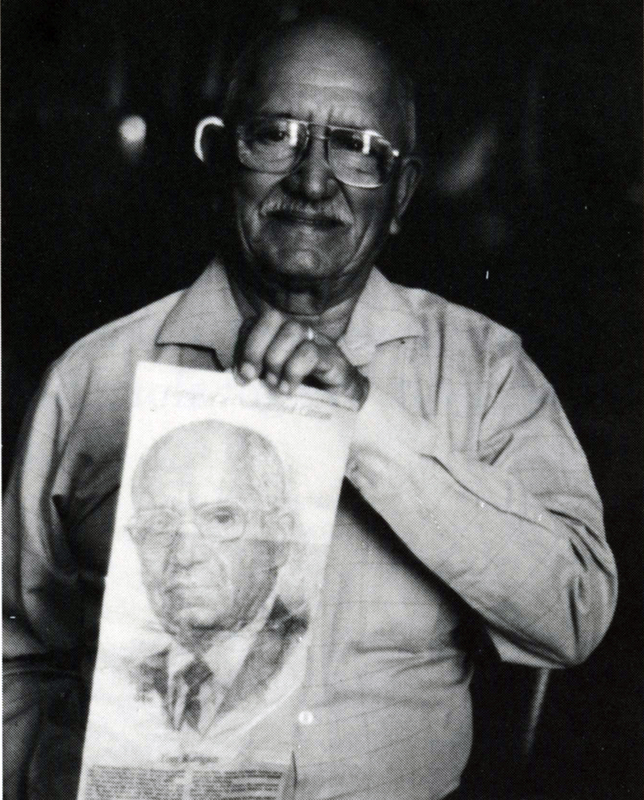
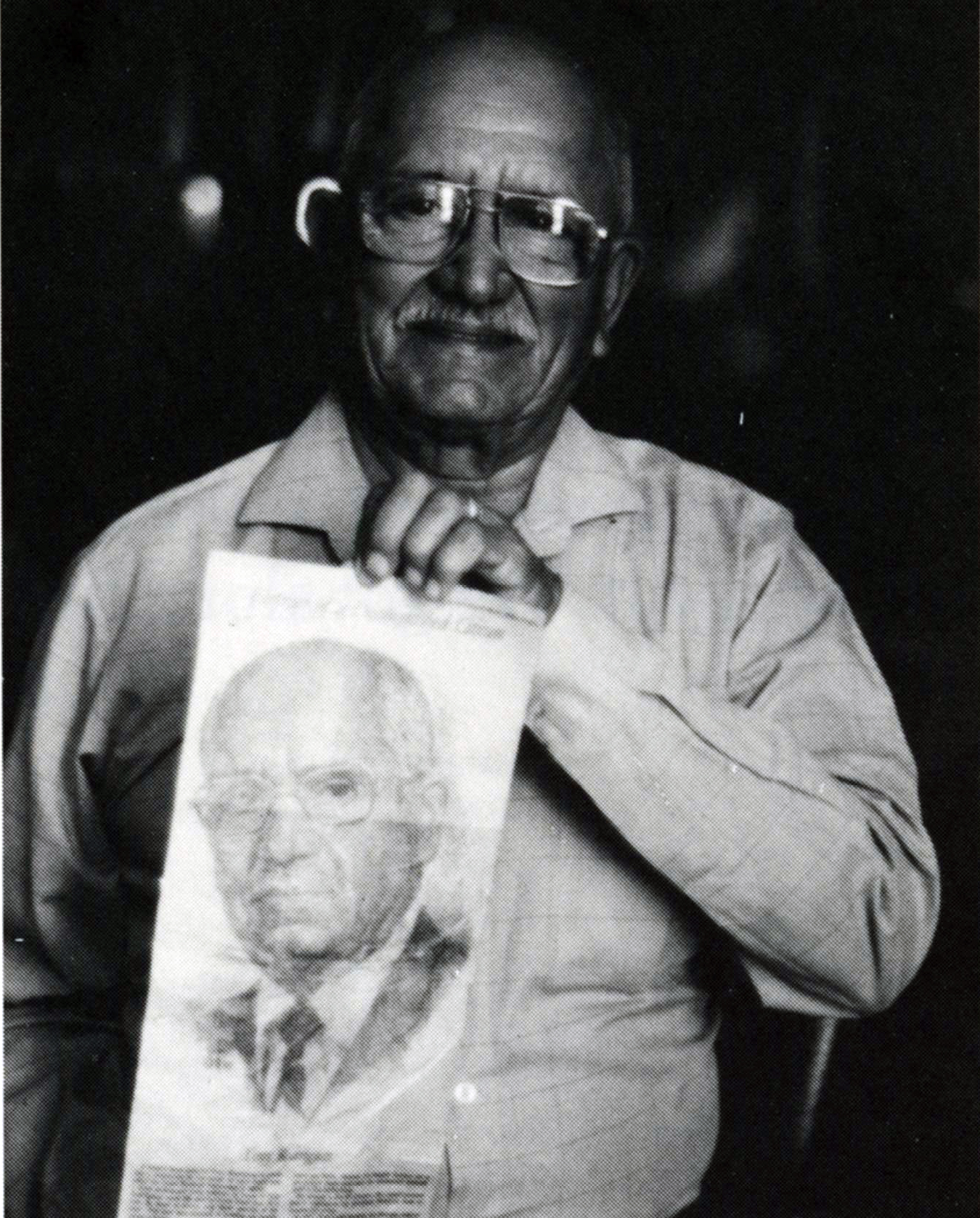
We bought this house. You know, we don't know where it had. We was I was looking at for, for, you know, to show it to you. And the picture of the, distinguished citizen of the state of Idaho and all that is there. I run into that the other day.We bought this house. You know, we don't know where it had. We was I was looking at for, for, you know, to show it to you. And the picture of the, distinguished citizen of the state of Idaho and all that is there. I run into that the other day.
Patricia McDaniel: It's at your house?It's at your house?
Antonio (Tony) Hernandez Rodriguez: Yes. And so, Is one of those.Yes. And so, Is one of those.
Patricia McDaniel: This is Patricia McDaniel. Today is November 15th, 1991. I will be interviewing for the second time. I'm telling you, it was the biggest of names. Idaho.This is Patricia McDaniel. Today is November 15th, 1991. I will be interviewing for the second time. I'm telling you, it was the biggest of names. Idaho.
This is Patricia McDaniel. Today is November 15, 1991. I will be interviewing for the second time Antonio Rodriguez of Nampa, Idaho. This is Antonio Rodriguez, our second conversation. Today is November 15, 1991. We will attempt to have this part of the interview in English. All right, Mr. Rodriguez, the other day we had a conversation all about your living in Idaho and becoming very active in the civil rights movement here. Today we're going to concentrate a little bit on questions of your Hispanic history, your Hispanic heritage, and also culture and living in the community. I'll begin by asking, first of all, how do you define yourself? Do you define yourself as a Mexican, as a Mexican-American, as a Latino? How do you define yourself?This is Patricia McDaniel. Today is November 15, 1991. I will be interviewing for the second time Antonio Rodriguez of Nampa, Idaho. This is Antonio Rodriguez, our second conversation. Today is November 15, 1991. We will attempt to have this part of the interview in English. All right, Mr. Rodriguez, the other day we had a conversation all about your living in Idaho and becoming very active in the civil rights movement here. Today we're going to concentrate a little bit on questions of your Hispanic history, your Hispanic heritage, and also culture and living in the community. I'll begin by asking, first of all, how do you define yourself? Do you define yourself as a Mexican, as a Mexican-American, as a Latino? How do you define yourself?
Antonio (Tony) Hernandez Rodriguez: I always find myself Mexican-American, Mexican descent.I always find myself Mexican-American, Mexican descent.
Patricia McDaniel: Is this the same way that your parents identify themselves?Is this the same way that your parents identify themselves?
Antonio (Tony) Hernandez Rodriguez: Exactly.Exactly.
Patricia McDaniel: They they identify themselves as Mexican Americans. And your children. How do they identify the same thing?They they identify themselves as Mexican Americans. And your children. How do they identify the same thing?
Antonio (Tony) Hernandez Rodriguez: The same thing? Same.The same thing? Same.
Patricia McDaniel: Has this identification or is this label, this identity that you have influenced you in how you have lived in this country or how accidentally.Has this identification or is this label, this identity that you have influenced you in how you have lived in this country or how accidentally.
Antonio (Tony) Hernandez Rodriguez: You mean to become to think about Mexican American?You mean to become to think about Mexican American?
Patricia McDaniel: Yeah. To be in. Oh, well, in this country.Yeah. To be in. Oh, well, in this country.
Antonio (Tony) Hernandez Rodriguez: Where it begins was way, way back. Way back from 19, 1927 that, there was so much, so much discrimination against Mexican people in Texas that, my daddy, all Mexican people cannot belong into, any city, like, city council or becoming, police deputy or nothing long. You're a Mexican. Yeah. So I was pretty, pretty young that I, even my myself because of Mexican, you know, because Mexican, can't do that, and Mexican can't do this, and Mexican can have this and all that.Where it begins was way, way back. Way back from 19, 1927 that, there was so much, so much discrimination against Mexican people in Texas that, my daddy, all Mexican people cannot belong into, any city, like, city council or becoming, police deputy or nothing long. You're a Mexican. Yeah. So I was pretty, pretty young that I, even my myself because of Mexican, you know, because Mexican, can't do that, and Mexican can't do this, and Mexican can have this and all that.
So I consider. Okay, in, in our thinking, in our mind, is that okay? We're Mexicans. And what about, you know, so that's one of they grow. I said, well, if I am a Mexican, I am a Mexican American citizen, Mexican descent. That's what they want. And that's probably was where the beginning it say, is no other way for me to say that I am, Latino.So I consider. Okay, in, in our thinking, in our mind, is that okay? We're Mexicans. And what about, you know, so that's one of they grow. I said, well, if I am a Mexican, I am a Mexican American citizen, Mexican descent. That's what they want. And that's probably was where the beginning it say, is no other way for me to say that I am, Latino.
And if we call Mexico Latin America, I am a Latino, you know, but, like to today, you know, here recently they start with this Hispanic and Hispanic, you know. Well, I am Hispanic. History, I guess, and and very proud of it because, you know, I think we, all these little nations that I for, I mean, here and here, you know, like, Argentina and, Brazil and all the South Americas.And if we call Mexico Latin America, I am a Latino, you know, but, like to today, you know, here recently they start with this Hispanic and Hispanic, you know. Well, I am Hispanic. History, I guess, and and very proud of it because, you know, I think we, all these little nations that I for, I mean, here and here, you know, like, Argentina and, Brazil and all the South Americas.
And they are all Spanish speaking. I think we can, I outnumber United States of America.And they are all Spanish speaking. I think we can, I outnumber United States of America.
Patricia McDaniel: But, I mean.But, I mean.
Antonio (Tony) Hernandez Rodriguez: And all Spanish speaking. Yeah. You know, so that put us, right now in a pretty high category that we got a language we belong from, from, Hispanic descent. And we're very proud because we come in this world just like anybody else. Oh, excuse.And all Spanish speaking. Yeah. You know, so that put us, right now in a pretty high category that we got a language we belong from, from, Hispanic descent. And we're very proud because we come in this world just like anybody else. Oh, excuse.
Patricia McDaniel: Me, please tell me about when you said that. When you were young and living in Texas, you weren't able to. Or Mexican Americans were not able to participate in the civic government of the community. If they couldn't hold office, they couldn't be part of the police force. Tell me a little bit about how those limitations influenced you.Me, please tell me about when you said that. When you were young and living in Texas, you weren't able to. Or Mexican Americans were not able to participate in the civic government of the community. If they couldn't hold office, they couldn't be part of the police force. Tell me a little bit about how those limitations influenced you.
Antonio (Tony) Hernandez Rodriguez: Well, starting with the school. See, we, the Mexican people, they have their own school, grammar school. And the white people had their own. The Negros have their own. So they all separate. And, and that's where they start that that, when I start learning about life, you know, I keep myself as an individual. I keep thinking, why is this?Well, starting with the school. See, we, the Mexican people, they have their own school, grammar school. And the white people had their own. The Negros have their own. So they all separate. And, and that's where they start that that, when I start learning about life, you know, I keep myself as an individual. I keep thinking, why is this?
You know, just when I was around eight, eight years, nine years, you know, before that we didn't put no attention about a little white kid. They used to come and play in our yard, and we play with him like we were brothers, you know? And, and sometime the, this, white people come home and all that seem like they don't like for the key to to get mixed up with us.You know, just when I was around eight, eight years, nine years, you know, before that we didn't put no attention about a little white kid. They used to come and play in our yard, and we play with him like we were brothers, you know? And, and sometime the, this, white people come home and all that seem like they don't like for the key to to get mixed up with us.
And they took him away. And when he put not the engine and so on, we grow up in, We always start learning more and more about a little bit about that. We have rights, but the, the, the law and that little official in that city when we were born, we can't see the Texas. They had the law and the, official they, they, they, they get, all these jobs, you know, they got some work control in and within this city, within the county that, Mexican person cannot, drive a tractor when it is on the city for the city or do anything, or if he wants to go, a boy wants toAnd they took him away. And when he put not the engine and so on, we grow up in, We always start learning more and more about a little bit about that. We have rights, but the, the, the law and that little official in that city when we were born, we can't see the Texas. They had the law and the, official they, they, they, they get, all these jobs, you know, they got some work control in and within this city, within the county that, Mexican person cannot, drive a tractor when it is on the city for the city or do anything, or if he wants to go, a boy wants to
go to be a electrician. They do something to stop their kids. That's the way. What? You know, they don't want. No, no, no, Mexican descent people. Affiliate jobs where the whites was always taken. They don't want, in other words, let me say this. I went to I went to look for a job. I was 14 years old in a restaurant, and, it was during the depression.go to be a electrician. They do something to stop their kids. That's the way. What? You know, they don't want. No, no, no, Mexican descent people. Affiliate jobs where the whites was always taken. They don't want, in other words, let me say this. I went to I went to look for a job. I was 14 years old in a restaurant, and, it was during the depression.
And sometimes they pay us $0.50 a day, and, this, this man, he says I ask him for a garment of, Yeah, we go. Man. We used to go by Gomez, you know, over there, you know, and, yeah, I, I, you know, the Gomez good workers and all the restart, all that. He says, well, I give you $0.15 a day.And sometimes they pay us $0.50 a day, and, this, this man, he says I ask him for a garment of, Yeah, we go. Man. We used to go by Gomez, you know, over there, you know, and, yeah, I, I, you know, the Gomez good workers and all the restart, all that. He says, well, I give you $0.15 a day.
You know, he he $0.15 a day to wash the dishes and right. And then, well, I said, let me go see my father, you know, and I went and told my father and I said, no, we don't give you $0.50 a day at least not going to work. And I went, I told him, I went back and told him.You know, he he $0.15 a day to wash the dishes and right. And then, well, I said, let me go see my father, you know, and I went and told my father and I said, no, we don't give you $0.50 a day at least not going to work. And I went, I told him, I went back and told him.
He said, well, Mexican people, he says they don't need their ma. They don't need they don't eat very much. They don't need no money, just a little bit, you know, just keep him alive. I remember that, and that will clear down to my heart and I that creating grudge against white.He said, well, Mexican people, he says they don't need their ma. They don't need they don't eat very much. They don't need no money, just a little bit, you know, just keep him alive. I remember that, and that will clear down to my heart and I that creating grudge against white.
Patricia McDaniel: Yeah.Yeah.
Antonio (Tony) Hernandez Rodriguez: Really? Really. And so, we went we continue school into a new school until we learn more about. Right. Hey, nobody according to one of the, the Constitution of America. You know, we we've got an equal rights.Really? Really. And so, we went we continue school into a new school until we learn more about. Right. Hey, nobody according to one of the, the Constitution of America. You know, we we've got an equal rights.
Patricia McDaniel: And you learn that in school.And you learn that in school.
Antonio (Tony) Hernandez Rodriguez: In school.In school.
Patricia McDaniel: You in school. And it was all Mexican children in school. You were learning about the American education.You in school. And it was all Mexican children in school. You were learning about the American education.
Antonio (Tony) Hernandez Rodriguez: Well, and, you know, the the the teacher had, limitations to, you know, to teachers. And they didn't teachers. Exactly. Or, evaluate our, our work in the school as it should be if I, if I fail on on a little something, you know, they, they, they put the they fix they fix my papers if, if I done it right because they want me to to go.Well, and, you know, the the the teacher had, limitations to, you know, to teachers. And they didn't teachers. Exactly. Or, evaluate our, our work in the school as it should be if I, if I fail on on a little something, you know, they, they, they put the they fix they fix my papers if, if I done it right because they want me to to go.
They want to show someplace that these boys, they're really learning. Well, when they get up there and, and, on the eighth grade. Well, what did I have? Nothing. Nothing. And I won't have nothing to go high school. Right.They want to show someplace that these boys, they're really learning. Well, when they get up there and, and, on the eighth grade. Well, what did I have? Nothing. Nothing. And I won't have nothing to go high school. Right.
Patricia McDaniel: When you say you had nothing at the eighth grade, does that mean that you didn't have some of the. You didn't have the ability?When you say you had nothing at the eighth grade, does that mean that you didn't have some of the. You didn't have the ability?
Antonio (Tony) Hernandez Rodriguez: I didn't have the ability because I didn't learn it. Right. You know.I didn't have the ability because I didn't learn it. Right. You know.
Patricia McDaniel: It wasn't talking. No.It wasn't talking. No.
Antonio (Tony) Hernandez Rodriguez: No. The teachers, who were your teachers?No. The teachers, who were your teachers?
Patricia McDaniel: Were they were they required everything, right.Were they were they required everything, right.
Antonio (Tony) Hernandez Rodriguez: You know, all we.You know, all we.
Patricia McDaniel: And they limited what they taught you.And they limited what they taught you.
So that you would be so that you would be limited. Yes.So that you would be so that you would be limited. Yes.
Antonio (Tony) Hernandez Rodriguez: I agree there was a limitation.I agree there was a limitation.
Patricia McDaniel: How far did you go in school?How far did you go in school?
Antonio (Tony) Hernandez Rodriguez: I went to seventh grade.I went to seventh grade.
Patricia McDaniel: What about girls, Mexican-American girls. What were they able to go to school.What about girls, Mexican-American girls. What were they able to go to school.
Antonio (Tony) Hernandez Rodriguez: Yeah they, they were going to school too. But there was the same treatment for them. The same treatment. There was no there was a group of people there. It was a cruel bunch.Yeah they, they were going to school too. But there was the same treatment for them. The same treatment. There was no there was a group of people there. It was a cruel bunch.
Patricia McDaniel: You were talking the other day that you came to Idaho because somebody here told you that the life was better.You were talking the other day that you came to Idaho because somebody here told you that the life was better.
Antonio (Tony) Hernandez Rodriguez: Yes. Well, the people who invite us over here to to come and work in there, and the beats, the one he told me is tuning. You can make over there $5 a day, not $0.50 or a dollar a day, because it's a guaranteed job, you know, for certain period of time in the summer, all kinds of new jobs and all that.Yes. Well, the people who invite us over here to to come and work in there, and the beats, the one he told me is tuning. You can make over there $5 a day, not $0.50 or a dollar a day, because it's a guaranteed job, you know, for certain period of time in the summer, all kinds of new jobs and all that.
That's the reason. And this is and they treat you better over there, treat you like a human.That's the reason. And this is and they treat you better over there, treat you like a human.
Patricia McDaniel: And when you you said the other day that when you came to Idaho, they did treat you. They did.And when you you said the other day that when you came to Idaho, they did treat you. They did.
Antonio (Tony) Hernandez Rodriguez: Very, very.Very, very.
Patricia McDaniel: Nice. You still find discrimination here. You talked about it a little bit.Nice. You still find discrimination here. You talked about it a little bit.
Antonio (Tony) Hernandez Rodriguez: Well you can the only discrimination, that I found was that, you know, like I told you the other day on the 60s on about these signs and, and, beer, beer joints and, and barbershops and things like that, you know, and then they put this sign all this guy. No, no Mexican, no Negros, no Jews, no, no Indians, no dogs.Well you can the only discrimination, that I found was that, you know, like I told you the other day on the 60s on about these signs and, and, beer, beer joints and, and barbershops and things like that, you know, and then they put this sign all this guy. No, no Mexican, no Negros, no Jews, no, no Indians, no dogs.
You you know, that's when we got mad. Yeah. Okay. Well, that's a kind of discrimination. But, a lot of, Oh, my people used to call discrimination when they couldn't get, a job that they want. You know, it is today. If a man go and ask for a job at the police department, and and he don't have the schooling and the knowledge, you know, to even to filled up that that, application.You you know, that's when we got mad. Yeah. Okay. Well, that's a kind of discrimination. But, a lot of, Oh, my people used to call discrimination when they couldn't get, a job that they want. You know, it is today. If a man go and ask for a job at the police department, and and he don't have the schooling and the knowledge, you know, to even to filled up that that, application.
Well, he don't have no business there and some, they used to cry discrimination. And this is why I went to, to become a, pretty close, member of the within the police department there for quite a few years to learn what was going on. And there was no discrimination there. It was it that they didn't have the schooling, you know, how can a sixth grade man go and get an application and fill it up and, and, and, and then become a police officer, you know, so I started, I started going back and I was one of the man I, I stayed in the police department until I become the chairmanWell, he don't have no business there and some, they used to cry discrimination. And this is why I went to, to become a, pretty close, member of the within the police department there for quite a few years to learn what was going on. And there was no discrimination there. It was it that they didn't have the schooling, you know, how can a sixth grade man go and get an application and fill it up and, and, and, and then become a police officer, you know, so I started, I started going back and I was one of the man I, I stayed in the police department until I become the chairman
of the committee, you know, the Civil Service Commission within the police department and, city council. Well, the city council will have to approve me, you know, when I first start and all that. Well, and then, I mean, we we put, applications all over, and I had some times in front of my desk.of the committee, you know, the Civil Service Commission within the police department and, city council. Well, the city council will have to approve me, you know, when I first start and all that. Well, and then, I mean, we we put, applications all over, and I had some times in front of my desk.
3 or 4, Mexican descent people. But when you get through the schooling, you just don't reach, see? And then there, because I was there and they called me, or they called me here in a room or their business is I it only how come I didn't make it? And then I explained they believe me, but they didn't believe a quite right.3 or 4, Mexican descent people. But when you get through the schooling, you just don't reach, see? And then there, because I was there and they called me, or they called me here in a room or their business is I it only how come I didn't make it? And then I explained they believe me, but they didn't believe a quite right.
Patricia McDaniel: They were willing to what you tell them about their own education. But would it be possible that somebody would not be able to, qualify because of his education, because he didn't have the opportunity to be educated like you?They were willing to what you tell them about their own education. But would it be possible that somebody would not be able to, qualify because of his education, because he didn't have the opportunity to be educated like you?
Antonio (Tony) Hernandez Rodriguez: Yes.Yes.
Patricia McDaniel: Well, have the opportunity to be educated.Well, have the opportunity to be educated.
Antonio (Tony) Hernandez Rodriguez: And some of the people, they, they had an opportunity, but, but the job that they have to they, they're the only no to do, they have to go from a state to state or, well, there were no jobs. It's what they, you know, they have to work and go to school at those times. And it was impossible to have it right on their home, on the one place alone, you know, so they can go to school and work.And some of the people, they, they had an opportunity, but, but the job that they have to they, they're the only no to do, they have to go from a state to state or, well, there were no jobs. It's what they, you know, they have to work and go to school at those times. And it was impossible to have it right on their home, on the one place alone, you know, so they can go to school and work.
That was very hard for many, many, many. Like I said the other day, everybody that comes here to Idaho, we have they're starting as soon as 1935. We over here, you know, nobody come here to Idaho as a lawyer or doctor or you know, well, engineer or whatnot, only uneducated people can work. And people, including myself, you know, and that's what you'll find in Idaho.That was very hard for many, many, many. Like I said the other day, everybody that comes here to Idaho, we have they're starting as soon as 1935. We over here, you know, nobody come here to Idaho as a lawyer or doctor or you know, well, engineer or whatnot, only uneducated people can work. And people, including myself, you know, and that's what you'll find in Idaho.
And Idaho has been, has been, a real, what they call, sparkling star for us because, regardless of the of the struggles and, and, arguments and veils and this and that, you know, I can see and Mexican people, food good and high progress and, and the school and children learning.And Idaho has been, has been, a real, what they call, sparkling star for us because, regardless of the of the struggles and, and, arguments and veils and this and that, you know, I can see and Mexican people, food good and high progress and, and the school and children learning.
Patricia McDaniel: So good thinking Americans are putting a value education to their children. And do you do you feel that they realize that they believe that it is with education that their children will be able to.So good thinking Americans are putting a value education to their children. And do you do you feel that they realize that they believe that it is with education that their children will be able to.
Antonio (Tony) Hernandez Rodriguez: Progress in advance? Oh yeah. I alertly and, you know, you know, I had, an article in the paper way up there, 1960 there. All I see is the schooling for my children, my my people I play I used to put it I one more opportunity for them. Let's find, way to educate those state from the state.Progress in advance? Oh yeah. I alertly and, you know, you know, I had, an article in the paper way up there, 1960 there. All I see is the schooling for my children, my my people I play I used to put it I one more opportunity for them. Let's find, way to educate those state from the state.
Go work in folks to see if we can reach them a little more. You know, and that's when they start. And then 1964, when, when the civil rights would become about. That's when they started, with over here, all the children that come through the camps and the folks come up to work, there was a place for them to, to go to school or they have on the, on the, in the camp something.Go work in folks to see if we can reach them a little more. You know, and that's when they start. And then 1964, when, when the civil rights would become about. That's when they started, with over here, all the children that come through the camps and the folks come up to work, there was a place for them to, to go to school or they have on the, on the, in the camp something.
And they were they all weren't going to school, you know, like, first grade or second grade kids. They continue. They're not just losing their time for nothing. And that's why that same thing you can see at that time there was nobody, nobody Mexican girls and men, it's the secretaries all over like it is now, everywhere now.And they were they all weren't going to school, you know, like, first grade or second grade kids. They continue. They're not just losing their time for nothing. And that's why that same thing you can see at that time there was nobody, nobody Mexican girls and men, it's the secretaries all over like it is now, everywhere now.
And this is my dream. I go and visit those stores and I see the young girls and all that and, and I, I walk out of those places and real happy for them. They don't know that I've done that. They don't know me probably. But I go around and so on and that's.And this is my dream. I go and visit those stores and I see the young girls and all that and, and I, I walk out of those places and real happy for them. They don't know that I've done that. They don't know me probably. But I go around and so on and that's.
Patricia McDaniel: A good feeling. Let's talk a little bit about the customs that Mexican Americans have in you, and particularly with your family and the, the customs that your family handed down and that you still have what customs that you had, what customs were handed down to you by your family? Well, like with, say, religion, with the, traditions and holidays and.A good feeling. Let's talk a little bit about the customs that Mexican Americans have in you, and particularly with your family and the, the customs that your family handed down and that you still have what customs that you had, what customs were handed down to you by your family? Well, like with, say, religion, with the, traditions and holidays and.
Antonio (Tony) Hernandez Rodriguez: Oh, we have. Well, we always center with the little boy. My father say, I was, I lost my mama when I was five, and my father, he keep taking us to Catholic Church over in Port City every Sunday. It was five miles away.Oh, we have. Well, we always center with the little boy. My father say, I was, I lost my mama when I was five, and my father, he keep taking us to Catholic Church over in Port City every Sunday. It was five miles away.
Patricia McDaniel: Was the Mexican American was here.Was the Mexican American was here.
Antonio (Tony) Hernandez Rodriguez: And. No, there was a there was segregated there, too. We go to the same church. The whites have to be on the right side. And that and the Mexican people on the left side, you cannot say for the whites was it was.And. No, there was a there was segregated there, too. We go to the same church. The whites have to be on the right side. And that and the Mexican people on the left side, you cannot say for the whites was it was.
Patricia McDaniel: With the priest was English speaking.With the priest was English speaking.
Antonio (Tony) Hernandez Rodriguez: Yes. And they have they have once in a while they had, a Mexican priest there, like, maybe help or the other father going to retreat or something, but he come and gave them mass and all that, you know, and, this Mexican father, he used to come for us. We never just say nothing to the white people.Yes. And they have they have once in a while they had, a Mexican priest there, like, maybe help or the other father going to retreat or something, but he come and gave them mass and all that, you know, and, this Mexican father, he used to come for us. We never just say nothing to the white people.
But he says, look, he says, they they were on the right side. This is the white people don't know what is their rights. Right? And we ask the father why. He said, look, they're facing me on my left.But he says, look, he says, they they were on the right side. This is the white people don't know what is their rights. Right? And we ask the father why. He said, look, they're facing me on my left.
We just take it for fun and we laugh a little bit, you know, they say. But he used to tell us, don't use no grudge. Don't condemn their life to their doings. Love them. You know, that's not on the livestream. I mean, if he's in the restroom. No, no, no. We, No. Three. Now. Come on.We just take it for fun and we laugh a little bit, you know, they say. But he used to tell us, don't use no grudge. Don't condemn their life to their doings. Love them. You know, that's not on the livestream. I mean, if he's in the restroom. No, no, no. We, No. Three. Now. Come on.
Where are you to learn the the, catechism. The catechism and all that? Yeah, all Mexican people, boys and girls. And he used to. That's one that father, Mexican father used to come over and he said, you're doing the job that God wants you to do. They want to do it different. Let him do it. But don't hate them.Where are you to learn the the, catechism. The catechism and all that? Yeah, all Mexican people, boys and girls. And he used to. That's one that father, Mexican father used to come over and he said, you're doing the job that God wants you to do. They want to do it different. Let him do it. But don't hate them.
Don't these and do. That's when I started. I was already about 15. That's what I start saying. Well, who am I to hate who you know, and I didn't, we, we got break up on that Myanmar. So we love we love white, we love black. We love anybody, you know, because we they explain to us there is you are.Don't these and do. That's when I started. I was already about 15. That's what I start saying. Well, who am I to hate who you know, and I didn't, we, we got break up on that Myanmar. So we love we love white, we love black. We love anybody, you know, because we they explain to us there is you are.
Nobody really will. Oh, God. You can got no business here. So you here and got business because of him. And you know that way he he was real good.Nobody really will. Oh, God. You can got no business here. So you here and got business because of him. And you know that way he he was real good.
Patricia McDaniel: So that Catholic tradition was very strong.So that Catholic tradition was very strong.
Antonio (Tony) Hernandez Rodriguez: Yes it still is. Still is in that place I went last year, I went to a family reunion and it was a big wedding and my cut one of my cousins who still is. Yeah. Very strong. We love it.Yes it still is. Still is in that place I went last year, I went to a family reunion and it was a big wedding and my cut one of my cousins who still is. Yeah. Very strong. We love it.
Patricia McDaniel: And your children are and your children have stayed in the church.And your children are and your children have stayed in the church.
Antonio (Tony) Hernandez Rodriguez: Oh yes. All of the traditions in the past.Oh yes. All of the traditions in the past.
Yes. All of them.Yes. All of them.
Patricia McDaniel: Are there, are there are Mexican American customs in, in your Catholicism that you recognize that aren't done in the white, Catholic Church? In other words, are there holidays or cousins or. It's differences in holidays like, Dia Doce de Deciembre, or Guadalupe.Are there, are there are Mexican American customs in, in your Catholicism that you recognize that aren't done in the white, Catholic Church? In other words, are there holidays or cousins or. It's differences in holidays like, Dia Doce de Deciembre, or Guadalupe.
Antonio (Tony) Hernandez Rodriguez: Correctly.Correctly.
Patricia McDaniel: Recognized that. Yeah, I know that in the, Anglo, the white Catholic church.Recognized that. Yeah, I know that in the, Anglo, the white Catholic church.
Antonio (Tony) Hernandez Rodriguez: They don't do that. Right.They don't do that. Right.
Patricia McDaniel: But are those kinds of.But are those kinds of.
Antonio (Tony) Hernandez Rodriguez: Oh, yes. Every year, every year we have a big doing here in the Church of Saint Paul. And we, Sometimes we get out five o'clock in the morning and we'll go and shop over there. And we'll take a lot of flowers and phone and we send a las mayanitas to her and it's on. And sometimes when I used to have mariachis over here, we take the mariachis to the church and five o'clock in the morning with that beautiful song. I mean, music, you know, cantando la mayanita.Oh, yes. Every year, every year we have a big doing here in the Church of Saint Paul. And we, Sometimes we get out five o'clock in the morning and we'll go and shop over there. And we'll take a lot of flowers and phone and we send a las mayanitas to her and it's on. And sometimes when I used to have mariachis over here, we take the mariachis to the church and five o'clock in the morning with that beautiful song. I mean, music, you know, cantando la mayanita.
You know, in his town. And sometimes when I, I used to have, mariachis over here, we take the mariachi to the church. And at 5:00 in the morning with that beautiful song, I mean, music.You know, in his town. And sometimes when I, I used to have, mariachis over here, we take the mariachi to the church. And at 5:00 in the morning with that beautiful song, I mean, music.
You know, ...You know, can $1.
You need that a week for everybody happy?You need that a week for everybody happy?
Patricia McDaniel: Yeah, yeah. What are the holidays that are celebrated by the by, you know, Mexican Americans that aren't celebrated? Well,Yeah, yeah. What are the holidays that are celebrated by the by, you know, Mexican Americans that aren't celebrated? Well,
Antonio (Tony) Hernandez Rodriguez: We we celebrate, Cinco de Mayo and then... todo via, it goes strong, very, very strong.We we celebrate, Cinco de Mayo and then... todo via, it goes strong, very, very strong.
Patricia McDaniel: And that's an that's a holiday here in Nampa and Caldwell.And that's an that's a holiday here in Nampa and Caldwell.
Antonio (Tony) Hernandez Rodriguez: Well, in Caldwell, in, the Sies of Septiembre, here in Nampa. My boy has been in charge of that and been making in Boise because of the college. Yeah. You know.Well, in Caldwell, in, the Sies of Septiembre, here in Nampa. My boy has been in charge of that and been making in Boise because of the college. Yeah. You know.
Patricia McDaniel: And that's also the Fiesta. That's tomorrow.And that's also the Fiesta. That's tomorrow.
Antonio (Tony) Hernandez Rodriguez: Yeah. And Boise, that's why, that's why. And, they have the mariachis. I don't know if you want this last year and I was in I had to go to.Yeah. And Boise, that's why, that's why. And, they have the mariachis. I don't know if you want this last year and I was in I had to go to.
Patricia McDaniel: A conference in Florida that weekend.A conference in Florida that weekend.
Antonio (Tony) Hernandez Rodriguez: I think. Yeah.I think. Yeah.
Patricia McDaniel: And I didn't get one last year. I went.And I didn't get one last year. I went.
Antonio (Tony) Hernandez Rodriguez: Okay, well, see, they, they it was so beautiful that the even the, the, one of the main guys from Seattle, he came over because of the image, organization and he he makes speech, beautiful speech, you know, and he says that this is the first time that he ever seen. So many Hispanic people acting better, than us.Okay, well, see, they, they it was so beautiful that the even the, the, one of the main guys from Seattle, he came over because of the image, organization and he he makes speech, beautiful speech, you know, and he says that this is the first time that he ever seen. So many Hispanic people acting better, than us.
He says. We will listen, you know, we we we are very, very interested to listen what everybody's saying, you know, without turning the face and start talking with somebody else and, and that man just, smoke in his head, you know, and nobody listen. We always listen. And and it was packed. It was packed. He says. We will listen, you know, we we we are very, very interested to listen what everybody's saying, you know, without turning the face and start talking with somebody else and, and that man just, smoke in his head, you know, and nobody listen. We always listen. And and it was packed. It was packed.
Rudy Pena, he made a speech there, too, and and so on. But there was real, real beautiful.Rudy Pena, he made a speech there, too, and and so on. But there was real, real beautiful.
Patricia McDaniel: So you feel that the cultural identity of the, of the Mexican American is very strong, and recognized in his holiday.So you feel that the cultural identity of the, of the Mexican American is very strong, and recognized in his holiday.
Antonio (Tony) Hernandez Rodriguez: Yeah. Yes, yes. Very. We got we got very good. Young leaders coming up. You know, they're getting, they got. Well-educated and, and they coming out with with the good, with, work. You know, on that line like, schooling and tradition, culture and things like that. And, you know.Yeah. Yes, yes. Very. We got we got very good. Young leaders coming up. You know, they're getting, they got. Well-educated and, and they coming out with with the good, with, work. You know, on that line like, schooling and tradition, culture and things like that. And, you know.
Patricia McDaniel: How did you pass on to your own children their sense of identity and their cultures?How did you pass on to your own children their sense of identity and their cultures?
Antonio (Tony) Hernandez Rodriguez: In it together with me. And I was pretty close to them. See, I was right here when they were growing right here. And Marvin and and, had the restaurant at the same time, but what I did was that we was closing two days a week at that time, the business. And every moment, every second that I can, I pass.In it together with me. And I was pretty close to them. See, I was right here when they were growing right here. And Marvin and and, had the restaurant at the same time, but what I did was that we was closing two days a week at that time, the business. And every moment, every second that I can, I pass.
It was my children, you know, and I always in the evening we sit down around when I take him out to McCall. Idaho City, you know, and we, we stay overnight and we put fire. And I always was after them on, on our way of life, marry my wife. And it was so poor. We were so poor that I didn't put no shoes in my feet until I was 16 years old.It was my children, you know, and I always in the evening we sit down around when I take him out to McCall. Idaho City, you know, and we, we stay overnight and we put fire. And I always was after them on, on our way of life, marry my wife. And it was so poor. We were so poor that I didn't put no shoes in my feet until I was 16 years old.
I go to kill a rattlesnake with my bottom of my feet with that. But,I go to kill a rattlesnake with my bottom of my feet with that. But,
Well. And then here I was with my family, my three, my three children and my wife, and around the fire. And then. Because of, the, I heard. Oh, here and there, you know, that, there was, there was a discrimination in certain certain place and all that. I keep saying to my children, there's nobody have no rights to discriminate, nobody but the children.Well. And then here I was with my family, my three, my three children and my wife, and around the fire. And then. Because of, the, I heard. Oh, here and there, you know, that, there was, there was a discrimination in certain certain place and all that. I keep saying to my children, there's nobody have no rights to discriminate, nobody but the children.
And I used to say all things like that when I when I was young, I told him how I was going to grow up. And we always put those things aside and behind us. And you, you have more opportunity today. All three of you, that to go to school and learn your, your rights and fight for your rights with in the law.And I used to say all things like that when I when I was young, I told him how I was going to grow up. And we always put those things aside and behind us. And you, you have more opportunity today. All three of you, that to go to school and learn your, your rights and fight for your rights with in the law.
Don't take the law in your hands within the law. And then, I keep on and on, you know, come down.Don't take the law in your hands within the law. And then, I keep on and on, you know, come down.
Patricia McDaniel: I'm going to turn the tape over...I'm going to turn the tape over...
All right. Go ahead.All right. Go ahead.
Antonio (Tony) Hernandez Rodriguez: Well, I used to to tell them about, me a little bit about Jesus. I bring a few times. A few times to them. I said, remember, we was born and raised in Karnes City, Texas. Mary was born in Hebbronville, Texas. We are about 2000 miles away from where we were born, a way to better ourselves on the job.Well, I used to to tell them about, me a little bit about Jesus. I bring a few times. A few times to them. I said, remember, we was born and raised in Karnes City, Texas. Mary was born in Hebbronville, Texas. We are about 2000 miles away from where we were born, a way to better ourselves on the job.
And this it. And this is not wrong at all, because Jesus. The mother and and, and, Joseph heard this angel tell him to go to Angel to save the children's lives. Well, if he can feed down that wind someplace and to stay for a long time over there before we. That we can't come here and stay for a while forever.And this it. And this is not wrong at all, because Jesus. The mother and and, and, Joseph heard this angel tell him to go to Angel to save the children's lives. Well, if he can feed down that wind someplace and to stay for a long time over there before we. That we can't come here and stay for a while forever.
He gave us that. For example, I said, yes, Jesus. And, And I put it to them the best way I could, for them to, to rely in. And God and Jesus is when they need help, you know, just ask him. He'll give you give it to you by asking. And they went on and they, they got so many questions for me, especially the older girl.He gave us that. For example, I said, yes, Jesus. And, And I put it to them the best way I could, for them to, to rely in. And God and Jesus is when they need help, you know, just ask him. He'll give you give it to you by asking. And they went on and they, they got so many questions for me, especially the older girl.
She was almost seven years older than the other two. And, I answer the best way I can, always, for the good of of, of the future life. You know, I never did. I never did bring anything to them about grudge or mad or anything. You know, about nothing. My my children. Of course, right now they're the oldest.She was almost seven years older than the other two. And, I answer the best way I can, always, for the good of of, of the future life. You know, I never did. I never did bring anything to them about grudge or mad or anything. You know, about nothing. My my children. Of course, right now they're the oldest.
She's going to be 50 here pretty soon. And junior is 41, going to be 42. And my. She's 39. And, that they can say that I never I always hide myself if I going to say a word like, cuss word like like, oh, goddamn it or something like that. I never I try not to be in front of them, ever.She's going to be 50 here pretty soon. And junior is 41, going to be 42. And my. She's 39. And, that they can say that I never I always hide myself if I going to say a word like, cuss word like like, oh, goddamn it or something like that. I never I try not to be in front of them, ever.
You know? I don't want them to know me that way. You know that I, I, I look at them, they come in, you know, I respect them because I feel in my own heart that if I don't respect that child, that child won't have no respect to me. I, you know, and I cannot give an advice, and hold, you know, so I use my hand pretty much in embracing my children because my daddy was was one of them, too.You know? I don't want them to know me that way. You know that I, I, I look at them, they come in, you know, I respect them because I feel in my own heart that if I don't respect that child, that child won't have no respect to me. I, you know, and I cannot give an advice, and hold, you know, so I use my hand pretty much in embracing my children because my daddy was was one of them, too.
And he was pretty, pretty strict with us, by getting, ourselves in trouble and all that, he was pretty close to us. Know, he always said, with us, and he says, look, Antonio or Santos, these these these the, you know, things that happen when he's on his young life, he bring it up to us.And he was pretty, pretty strict with us, by getting, ourselves in trouble and all that, he was pretty close to us. Know, he always said, with us, and he says, look, Antonio or Santos, these these these the, you know, things that happen when he's on his young life, he bring it up to us.
Whatever happened, you know, by doing wrong. And you explain it to us. And this is why you do that, you know?Whatever happened, you know, by doing wrong. And you explain it to us. And this is why you do that, you know?
Patricia McDaniel: Do you do you feel that the that the idea of mutual respect you for your children and your children, for you is stronger in the Mexican culture than it is in the.Do you do you feel that the that the idea of mutual respect you for your children and your children, for you is stronger in the Mexican culture than it is in the.
Antonio (Tony) Hernandez Rodriguez: 98%, 98%. I think my Mexican culture, any time. Oh, yes. Yeah. You know, and in the, in the white culture is too much of of miss respect the children don't respect the fathers. If they respect it, they respect it because they got a bunch of money from them for a little while. They run out of money.98%, 98%. I think my Mexican culture, any time. Oh, yes. Yeah. You know, and in the, in the white culture is too much of of miss respect the children don't respect the fathers. If they respect it, they respect it because they got a bunch of money from them for a little while. They run out of money.
They go back to father and start, all over again. I don't say, all of them, but, full body, high percentage.They go back to father and start, all over again. I don't say, all of them, but, full body, high percentage.
Patricia McDaniel: But there is. But they respect the high level of respect for parents, for their children and children, for their parents is stronger in Mexico.But there is. But they respect the high level of respect for parents, for their children and children, for their parents is stronger in Mexico.
Antonio (Tony) Hernandez Rodriguez: Oh, yes. Yes, I can say that here. I can see it in the white House. Yes.Oh, yes. Yes, I can say that here. I can see it in the white House. Yes.
Patricia McDaniel: Do you feel that the family structure is stronger in the Mexican. Yes.Do you feel that the family structure is stronger in the Mexican. Yes.
Antonio (Tony) Hernandez Rodriguez: Yes yes, yes. It's not so much. Liberty. The, the like Mexican mothers, they stick with their kids andYes yes, yes. It's not so much. Liberty. The, the like Mexican mothers, they stick with their kids and
Teaching them the, the and growing by the years and trying to get him away from troubles and all this I say that percentage they're careless, you know, and they, they they they do the same thing, you know, like, Anglos, their own tradition with a kid, with kids, you know, they don't they just don't care. I seem like that kid comes in and says that I want him money.Teaching them the, the and growing by the years and trying to get him away from troubles and all this I say that percentage they're careless, you know, and they, they they they do the same thing, you know, like, Anglos, their own tradition with a kid, with kids, you know, they don't they just don't care. I seem like that kid comes in and says that I want him money.
I ain't got no. Oh, I want money. You know, that kid won't won't stop and ask him no more. He wants that money. No explanation, no nothing, you see, because the kid goes, ha! Where he goes can get trouble. Okay. And then. And the father, mother, the Anglo father, my monthly, the highest percentage is they got job, they got money and all that to get together with that kid we take him for.I ain't got no. Oh, I want money. You know, that kid won't won't stop and ask him no more. He wants that money. No explanation, no nothing, you see, because the kid goes, ha! Where he goes can get trouble. Okay. And then. And the father, mother, the Anglo father, my monthly, the highest percentage is they got job, they got money and all that to get together with that kid we take him for.
And they belong for them to take that kid and break. He's thinking about getting wild. Yeah. And and go and get drunk and. And what happened? They call him that? He got killed on the road, that that car rolled up and all that. Well, this be coming on the Mexican, American. The same thing.And they belong for them to take that kid and break. He's thinking about getting wild. Yeah. And and go and get drunk and. And what happened? They call him that? He got killed on the road, that that car rolled up and all that. Well, this be coming on the Mexican, American. The same thing.
Patricia McDaniel: That was going to be. Yes. Happened to the Mexican American?That was going to be. Yes. Happened to the Mexican American?
Antonio (Tony) Hernandez Rodriguez: Yes. Because of the miserable dope. Every one that that they get in trouble and wrecks and all this. And that is either an alcohol or a dope relate, you know, that is not their tradition that they, they, they come from is that they learned in the schools, in the schools, and not Mexican tradition either. You know, see, so they learn to be wild.Yes. Because of the miserable dope. Every one that that they get in trouble and wrecks and all this. And that is either an alcohol or a dope relate, you know, that is not their tradition that they, they, they come from is that they learned in the schools, in the schools, and not Mexican tradition either. You know, see, so they learn to be wild.
They learn to be free from the father, the father and mother. They don't have no dual restriction whatsoever. You know, if, the father, like he used to when I, when I grow up, my father said, see this whip? I never want to use it on you. Just don't never disobey me. Never disobey me. And I will never use it.They learn to be free from the father, the father and mother. They don't have no dual restriction whatsoever. You know, if, the father, like he used to when I, when I grow up, my father said, see this whip? I never want to use it on you. Just don't never disobey me. Never disobey me. And I will never use it.
Disobey him one time. And I have curse right here. I run away from him, and he had the whip in his hand, and. And he goes like this, you know, to.Disobey him one time. And I have curse right here. I run away from him, and he had the whip in his hand, and. And he goes like this, you know, to.
Me.Me.
You know, to to to what my and, the the point of that we hit me in and went through my clothes and skin, you know, and I stopped very quick. And that was the only time in life that he'd done that close. I he used to tell us, he said, don't this obey me and anything because I don't want to do something I ran away from I was because I was young, 13 years old.You know, to to to what my and, the the point of that we hit me in and went through my clothes and skin, you know, and I stopped very quick. And that was the only time in life that he'd done that close. I he used to tell us, he said, don't this obey me and anything because I don't want to do something I ran away from I was because I was young, 13 years old.
But that was old enough to understand better. I did after that to know.But that was old enough to understand better. I did after that to know.
Patricia McDaniel: Enough not to do it again.Enough not to do it again.
Antonio (Tony) Hernandez Rodriguez: Yes.Yes.
Patricia McDaniel: And that is, you know, that is, good. I it just my own sense tells me that that's very strong Hispanic cultural, thing to be very close to the family. You, you know, disrespect. And then of course, the, the, the obedience comes from that respect for the correct.And that is, you know, that is, good. I it just my own sense tells me that that's very strong Hispanic cultural, thing to be very close to the family. You, you know, disrespect. And then of course, the, the, the obedience comes from that respect for the correct.
Antonio (Tony) Hernandez Rodriguez: Yes.Yes.
Patricia McDaniel: But it, it, you feel that it's eroding as the, as the Mexican-American child becomes more American. Yes. More and your more like more of the Anglo.But it, it, you feel that it's eroding as the, as the Mexican-American child becomes more American. Yes. More and your more like more of the Anglo.
Ways of doing that. Can you recall some of this talk just a little bit about cultural events here in Idaho. Can you recall some of the very early Mexican cultural events that happened here in Idaho the other day? You were talking about the little town that you came to live in when you first moved here.Ways of doing that. Can you recall some of this talk just a little bit about cultural events here in Idaho. Can you recall some of the very early Mexican cultural events that happened here in Idaho the other day? You were talking about the little town that you came to live in when you first moved here.
What was the name of that?What was the name of that?
Antonio (Tony) Hernandez Rodriguez: Aberdeen.Aberdeen.
Patricia McDaniel: Aberdeen. Were there any Mexican American cultural events there in Aberdeen? No.Aberdeen. Were there any Mexican American cultural events there in Aberdeen? No.
Antonio (Tony) Hernandez Rodriguez: No, I think, when we got there, there was only about three families, you know, in there. And, And the job is, is so, so much when we got up there, we got a big bunch of people, and then some other. We didn't even know each other because they live on the ranches and everybody's working every day.No, I think, when we got there, there was only about three families, you know, in there. And, And the job is, is so, so much when we got up there, we got a big bunch of people, and then some other. We didn't even know each other because they live on the ranches and everybody's working every day.
Long hours. You know, we never come to town or get together. And like you said, when I go, like, on the 16th, or Cinco de Mayo or, oh, 16 of September, we just let that go because we were nobody. We didn't have no backbone there, like we say and leaders to say, hey, we want to get together, we want to do this.Long hours. You know, we never come to town or get together. And like you said, when I go, like, on the 16th, or Cinco de Mayo or, oh, 16 of September, we just let that go because we were nobody. We didn't have no backbone there, like we say and leaders to say, hey, we want to get together, we want to do this.
We want to try to do this. You know.We want to try to do this. You know.
Patricia McDaniel: Nothing ever.Nothing ever.
Antonio (Tony) Hernandez Rodriguez: Did not enough with.Did not enough with.
Patricia McDaniel: That start. Did it ever happen in Aberdeen? Did you ever have that in everything? I ready to come to America.That start. Did it ever happen in Aberdeen? Did you ever have that in everything? I ready to come to America.
Antonio (Tony) Hernandez Rodriguez: And no, I don't, I don't remember because the last time I was in Aberdeen that, just before I, when I come out of the service in 1946, I went back 1947 for, for one of these, I think was Cinco de Mayo a couple of days and all that was nothing moving, just, a dog by that time, the the, the Mercado family and the other one Paz, the last name Paz.And no, I don't, I don't remember because the last time I was in Aberdeen that, just before I, when I come out of the service in 1946, I went back 1947 for, for one of these, I think was Cinco de Mayo a couple of days and all that was nothing moving, just, a dog by that time, the the, the Mercado family and the other one Paz, the last name Paz.
And these Penas..., you know, they were living there. All they get together and they had little tamales and they have just an house on the porch someplace, you know, and and they they drink little beer and, and eat tamales. And the kids play ball over there in the front yard and all that. But there was no, like a public, doing thing.And these Penas..., you know, they were living there. All they get together and they had little tamales and they have just an house on the porch someplace, you know, and and they they drink little beer and, and eat tamales. And the kids play ball over there in the front yard and all that. But there was no, like a public, doing thing.
It was. No.It was. No.
Patricia McDaniel: There's a there's a lot of that here in Nampa and in Caldwell. When did it start and who started it?There's a there's a lot of that here in Nampa and in Caldwell. When did it start and who started it?
Antonio (Tony) Hernandez Rodriguez: Oh, I started did you. Yeah.Oh, I started did you. Yeah.
Patricia McDaniel: Tell me about the first time you organized the cultural. Oh. And was it what what holiday was it?Tell me about the first time you organized the cultural. Oh. And was it what what holiday was it?
Antonio (Tony) Hernandez Rodriguez: That was, 19, 1957. I start Getting together the the the labor camps, you know, to celebrate.That was, 19, 1957. I start Getting together the the the labor camps, you know, to celebrate.
Patricia McDaniel: What holiday?What holiday?
Antonio (Tony) Hernandez Rodriguez: The 16 of September, 16 of September. What I did here, I was working for the employment, not for the employment office. I worked for employment for five years. They put a sign over there. I got the pictures where there was a branch from the I from the, employment office in Nampa. I was working as a barber and farmers, they called me, and they put the application for so many men that they went me and I had them over here all the time looking.The 16 of September, 16 of September. What I did here, I was working for the employment, not for the employment office. I worked for employment for five years. They put a sign over there. I got the pictures where there was a branch from the I from the, employment office in Nampa. I was working as a barber and farmers, they called me, and they put the application for so many men that they went me and I had them over here all the time looking.
And when they knew that I get jobs over here, you know, they they would come in. And, since I see so many, you know, they come in the summer, as I said, you know, these people, they, they I don't have some telling, you know, like the dancing girls and, musicians and and all kinds, you know.And when they knew that I get jobs over here, you know, they they would come in. And, since I see so many, you know, they come in the summer, as I said, you know, these people, they, they I don't have some telling, you know, like the dancing girls and, musicians and and all kinds, you know.
You know. I sat down and, I kind of put names. Caldwell, Nyssa, Ontario, Weiser, Caldwell, Nampa, Homedale and then, here on 12 Avenue labor camp. They used to be. And then, Franklin labor camp came all those little camps. And I don't remember if I went to I think I did, Homedale or Mountain Home and I want one man or two out of each camp to meet here or any more, any place, for it is more centralized place.You know. I sat down and, I kind of put names. Caldwell, Nyssa, Ontario, Weiser, Caldwell, Nampa, Homedale and then, here on 12 Avenue labor camp. They used to be. And then, Franklin labor camp came all those little camps. And I don't remember if I went to I think I did, Homedale or Mountain Home and I want one man or two out of each camp to meet here or any more, any place, for it is more centralized place.
You know, they all came over here. And of course, I had the business and and I put up some beer, you know, and Mexican,You know, they all came over here. And of course, I had the business and and I put up some beer, you know, and Mexican,
Way of getting.Way of getting.
Together had to be beer. And then, I, I got up and I told them that I had an idea. Maybe, maybe we can get together and do a big, big fiesta, you know, and right now, everybody agreed. See that? Because at that time, I was going to school and I was learning. I said to to all these people, I said, listen, it's very, very easy to hear something like this and say, yes, then get up and do it later, you know, and very easy.Together had to be beer. And then, I, I got up and I told them that I had an idea. Maybe, maybe we can get together and do a big, big fiesta, you know, and right now, everybody agreed. See that? Because at that time, I was going to school and I was learning. I said to to all these people, I said, listen, it's very, very easy to hear something like this and say, yes, then get up and do it later, you know, and very easy.
So if you don't think that, then you cannot do it or something. You think you're going to be in front of you. You can't go over. They know they can't get eight now. Don't say it later because he I going to put a hole in people's name. And what are you going to do in your camp. It's your business.So if you don't think that, then you cannot do it or something. You think you're going to be in front of you. You can't go over. They know they can't get eight now. Don't say it later because he I going to put a hole in people's name. And what are you going to do in your camp. It's your business.
You want to make a float and you're going to have a little, dancing boys or or singing or whatever. That's years. But when they're ready, I want to go to the other and the other and the other and going to be some but amuse, you know, some gifts for all this, you know, and I had I had the the sugar company mug made it to the company in our favor.You want to make a float and you're going to have a little, dancing boys or or singing or whatever. That's years. But when they're ready, I want to go to the other and the other and the other and going to be some but amuse, you know, some gifts for all this, you know, and I had I had the the sugar company mug made it to the company in our favor.
In fact, that she put some money. She put some money for some boys. We had, I can't remember so many outfits. The evening call, it says to me, we like to get in there if my name going to be there somehow. Oh, yes. Say your name will be there if you contribute. And we done it. So beautiful.In fact, that she put some money. She put some money for some boys. We had, I can't remember so many outfits. The evening call, it says to me, we like to get in there if my name going to be there somehow. Oh, yes. Say your name will be there if you contribute. And we done it. So beautiful.
We dressed some of the girls that didn't have no money to, to to, to build dresses for the girls and, you know, and, and from all over, you know, the women, Mexican woman, they come and said, hey, I can make the best, the best, Chinas Poblanas dress. And I am a...We dressed some of the girls that didn't have no money to, to to, to build dresses for the girls and, you know, and, and from all over, you know, the women, Mexican woman, they come and said, hey, I can make the best, the best, Chinas Poblanas dress. And I am a...
Patricia McDaniel: Seamstress.Seamstress.
Antonio (Tony) Hernandez Rodriguez: Seamstress.Seamstress.
And, of course, to there, you know.And, of course, to there, you know.
This year it all comes up upon her together.This year it all comes up upon her together.
You know, I go, oh, it's to where? Como? ...You know, I go, oh, it's to where? Como? ...
... I went down to the city mayor and I asked him, what did I, I was wishing to do on this particular day? We prepare we like to have, a chance to present our Mexican culture within this, parade that we, we want to bring through town.... I went down to the city mayor and I asked him, what did I, I was wishing to do on this particular day? We prepare we like to have, a chance to present our Mexican culture within this, parade that we, we want to bring through town.
And we went all that, he you talking about people was the first time.And we went all that, he you talking about people was the first time.
Patricia McDaniel: Did everybody come?Did everybody come?
Antonio (Tony) Hernandez Rodriguez: Oh, everybody. Everybody of them. Plus and. Well, and, we have that, Parade. And then the fiesta. We made it. We make it over there, and the old, There used to be the series Drew box and Kahlua, and then they had a, Safeway store, and there was a big, big space in between. There was nothing but parking.Oh, everybody. Everybody of them. Plus and. Well, and, we have that, Parade. And then the fiesta. We made it. We make it over there, and the old, There used to be the series Drew box and Kahlua, and then they had a, Safeway store, and there was a big, big space in between. There was nothing but parking.
So. We, we have people selling. Oh, come all this time. Because you know what? Little stands over there and the big space for dance and, when we got through around, oh, about an hour and a half, probably, more or less, you know, the parade went through, and then we all got together again, the leaders, you know, and he said, let's let's get these these, floats up there and we put them all and everyplace we can around the on this place for this, dance and everything on.So. We, we have people selling. Oh, come all this time. Because you know what? Little stands over there and the big space for dance and, when we got through around, oh, about an hour and a half, probably, more or less, you know, the parade went through, and then we all got together again, the leaders, you know, and he said, let's let's get these these, floats up there and we put them all and everyplace we can around the on this place for this, dance and everything on.
Okay. And that you could see him and, the stage everybody have, you know, the, the Anglo.Okay. And that you could see him and, the stage everybody have, you know, the, the Anglo.
People there.People there.
Was eager to help, you know, they were there and, and they asking us to say, hey, you need if you need my tray, I got a trailer with a flatbed and and I got these and that, you know, beautiful, beautiful. Well, okay, so I was in one of the programs. I was, I kind of, or sort of a clownish guy, you know, it's a little way I supposed to be the first one to cheer the people.Was eager to help, you know, they were there and, and they asking us to say, hey, you need if you need my tray, I got a trailer with a flatbed and and I got these and that, you know, beautiful, beautiful. Well, okay, so I was in one of the programs. I was, I kind of, or sort of a clownish guy, you know, it's a little way I supposed to be the first one to cheer the people.
I did, too. The girl was was there, was helping me. She was real good. She was a professional, you know, and, nobody knew me until I took all these things that I had on me. You know? Well, anyway, to then start the next day, the the the news media called me. They, they went out there and I didn't know.I did, too. The girl was was there, was helping me. She was real good. She was a professional, you know, and, nobody knew me until I took all these things that I had on me. You know? Well, anyway, to then start the next day, the the the news media called me. They, they went out there and I didn't know.
And they took all kinds of pictures, all kinds of pictures, you know, and then they, they they reached me and they told me that there was little over 7000 people gathered in that.And they took all kinds of pictures, all kinds of pictures, you know, and then they, they they reached me and they told me that there was little over 7000 people gathered in that.
Patricia McDaniel: And this was the first one first.And this was the first one first.
Antonio (Tony) Hernandez Rodriguez: And we continue, I done it for five years. See, until after five years, you know, my business was growing so big, you know, that I, I knew I was neglecting it, and I did, but it come one guy from California... Raul Ramos. He was. He was with the employment office, too, over there.And we continue, I done it for five years. See, until after five years, you know, my business was growing so big, you know, that I, I knew I was neglecting it, and I did, but it come one guy from California... Raul Ramos. He was. He was with the employment office, too, over there.
Patricia McDaniel: In California.In California.
Antonio (Tony) Hernandez Rodriguez: In California, I think it was in Sacramento, you know, and that to to help me. And I said, I don't I don't think, I want to be able to, to, to do anything except give you an advice here and there. I said, I want you to take over. You know, he got together and the first one, he made it almost identical to this.In California, I think it was in Sacramento, you know, and that to to help me. And I said, I don't I don't think, I want to be able to, to, to do anything except give you an advice here and there. I said, I want you to take over. You know, he got together and the first one, he made it almost identical to this.
And I was very, very pleased. But, the second year, you know, something went wrong. Something is wrong that the people don't want to cooperate with him. You know, they come to him here and they say, we want you to. And then they went, A little sour. And then the third year.And I was very, very pleased. But, the second year, you know, something went wrong. Something is wrong that the people don't want to cooperate with him. You know, they come to him here and they say, we want you to. And then they went, A little sour. And then the third year.
The third year, there was another man on here who labor camp wants to he he got it. He done real good. He done real good too. But he die on us. He went back to Eagle Pass and and, we've got a phone call. I got a phone call that he had done with. Yes. That this man died in a heart attack.The third year, there was another man on here who labor camp wants to he he got it. He done real good. He done real good too. But he die on us. He went back to Eagle Pass and and, we've got a phone call. I got a phone call that he had done with. Yes. That this man died in a heart attack.
Patricia McDaniel: But that holiday was was started by, you know, the safety, started by you and then, you know, and after five years in here.But that holiday was was started by, you know, the safety, started by you and then, you know, and after five years in here.
Antonio (Tony) Hernandez Rodriguez: Right. Yes.Right. Yes.
Patricia McDaniel: Well, Tony, tell me something. We don't have very much tape left. So let's go finish. Tell me, what do you feel about how the future will be for the Mexican-American here in Idaho? What does the future hold? I will clean.Well, Tony, tell me something. We don't have very much tape left. So let's go finish. Tell me, what do you feel about how the future will be for the Mexican-American here in Idaho? What does the future hold? I will clean.
Antonio (Tony) Hernandez Rodriguez: I say that it's a good it's a good, trail for the Mexican-American in Idaho, Oregon and, in the state surrounding Washington. Because, like I say, the schooling and, and the majority of the of the, of the Mexican people, you know, work, don't scare them. I hear this from, from my Anglo bosses all the time.I say that it's a good it's a good, trail for the Mexican-American in Idaho, Oregon and, in the state surrounding Washington. Because, like I say, the schooling and, and the majority of the of the, of the Mexican people, you know, work, don't scare them. I hear this from, from my Anglo bosses all the time.
They get, to work, and they'll stay. They stay working. They don't cry so much. If they get paid $0.50 less than the others, they just stay there until one day. Well, with good opportunities, they come out and say, ask you after 4 or 5 years, probably for a raise, you know, they're entitled to a little raise or something like that.They get, to work, and they'll stay. They stay working. They don't cry so much. If they get paid $0.50 less than the others, they just stay there until one day. Well, with good opportunities, they come out and say, ask you after 4 or 5 years, probably for a raise, you know, they're entitled to a little raise or something like that.
And, but, fired is, jobs even today, right now, even the, the uneducated, just long as they know English, they're good jobs that, that the Anglos don't like it. They go and get it. See. So I say with education, it'd be more or less more opportunity. There will be no no lack in the future. More.And, but, fired is, jobs even today, right now, even the, the uneducated, just long as they know English, they're good jobs that, that the Anglos don't like it. They go and get it. See. So I say with education, it'd be more or less more opportunity. There will be no no lack in the future. More.
More chances for the white and for the Mexican descent. No. Because, I seen it in the schools, and I see it all over the, Mexicans and Anglos in the state of Idaho. They're putting words together.More chances for the white and for the Mexican descent. No. Because, I seen it in the schools, and I see it all over the, Mexicans and Anglos in the state of Idaho. They're putting words together.
Patricia McDaniel: Do you think that the Mexican culture will, or the Mexican American people will be able to hold their culture together?Do you think that the Mexican culture will, or the Mexican American people will be able to hold their culture together?
Antonio (Tony) Hernandez Rodriguez: Oh, yes. Yes.Oh, yes. Yes.
Patricia McDaniel: It won't get lost in the Anglo.It won't get lost in the Anglo.
Antonio (Tony) Hernandez Rodriguez: Well, it get lost. If, Well, I can say, it can get lost. Like, for instance, I'm here today, and my my kids, they're being here tomorrow. You know what? I'm what I mean, within 25, 30 years, my kids, well, they don't know as much as I do my own kids I do about my culture, their kids.Well, it get lost. If, Well, I can say, it can get lost. Like, for instance, I'm here today, and my my kids, they're being here tomorrow. You know what? I'm what I mean, within 25, 30 years, my kids, well, they don't know as much as I do my own kids I do about my culture, their kids.
They ain't going to know almost nothing. So that's going to be staying behind unless they somebody come in from the South with all this knowledge about the culture and practices here in the state, right. See, or in any place.They ain't going to know almost nothing. So that's going to be staying behind unless they somebody come in from the South with all this knowledge about the culture and practices here in the state, right. See, or in any place.
Patricia McDaniel: So in other words, the culture will remain alive. There's always somebody who is very new to the culture or, or brings the culture with them and renews it.So in other words, the culture will remain alive. There's always somebody who is very new to the culture or, or brings the culture with them and renews it.
Antonio (Tony) Hernandez Rodriguez: Yeah, well it's happening. It's happening today. They're bringing it up, you know, like you take, like these, Johnny Canales. He, he brings those beautiful music musicians, you know, to, to show it to the Mexican people over here. And if, if you ever have, a chance to talk to this, Gilberto Flores, the guy who owns, the multipurpose, what they call.Yeah, well it's happening. It's happening today. They're bringing it up, you know, like you take, like these, Johnny Canales. He, he brings those beautiful music musicians, you know, to, to show it to the Mexican people over here. And if, if you ever have, a chance to talk to this, Gilberto Flores, the guy who owns, the multipurpose, what they call.
Those skilled workers.Those skilled workers.
You go there one night, I maybe I can give you a, I'll give him a talk and tell him in the let you go in, because every time he charge, it's going to be about from 15 to $25. Because he brings he brings the music that place around, around Veronica Castro, you know, on that show that she she saw that she got.You go there one night, I maybe I can give you a, I'll give him a talk and tell him in the let you go in, because every time he charge, it's going to be about from 15 to $25. Because he brings he brings the music that place around, around Veronica Castro, you know, on that show that she she saw that she got.
Well, those musicians is the one he brings here.Well, those musicians is the one he brings here.
So they cost.So they cost.
A lot of money. And the people over here want it. You know, one time and two days, I sold, $1,600 that, you know, tickets for him to flourish.A lot of money. And the people over here want it. You know, one time and two days, I sold, $1,600 that, you know, tickets for him to flourish.
Patricia McDaniel: He's the... Flores?He's the... Flores?
Antonio (Tony) Hernandez Rodriguez: See, and, if you go there and you see.See, and, if you go there and you see.
The multitude of people.The multitude of people.
And the way they dance, their cumbias and things like that, you know, sometimes you get a terrible time to get in it. So Pat.And the way they dance, their cumbias and things like that, you know, sometimes you get a terrible time to get in it. So Pat.
Patricia McDaniel: You prepared. Yeah. Well I was looking for that. Thank you so much. It has really been a delight to have you talk and to listen to,You prepared. Yeah. Well I was looking for that. Thank you so much. It has really been a delight to have you talk and to listen to,
Antonio (Tony) Hernandez Rodriguez: It's too many other things to talk about.It's too many other things to talk about.
Patricia McDaniel: You know, through the, the I it's great time to cap Del.You know, through the, the I it's great time to cap Del.
Antonio (Tony) Hernandez Rodriguez: Rey when I see Como you Tengo también...Rey when I see Como you Tengo también...
... become, well known man in the state of Idaho. You know, today I got, I am appointed 16 years ago by the governor on the Judicial Administrative Commission, you know, for your, I think I said that before and, of course, I belong on this and that and that and that, all the way to become an officer.... become, well known man in the state of Idaho. You know, today I got, I am appointed 16 years ago by the governor on the Judicial Administrative Commission, you know, for your, I think I said that before and, of course, I belong on this and that and that and that, all the way to become an officer.
Always the people they. Yes. Nominate me for, for that position. And, this is what I, I like to, to pass it on to. And some of the kids that go to start school, you know, that I consider me I didn't know nothing. But when I really get into the office in this terrible reading and finding out, you can develop that, you can work it out the best way you can.Always the people they. Yes. Nominate me for, for that position. And, this is what I, I like to, to pass it on to. And some of the kids that go to start school, you know, that I consider me I didn't know nothing. But when I really get into the office in this terrible reading and finding out, you can develop that, you can work it out the best way you can.
And the first way you, you, you work it. The people around like it. They like.And the first way you, you, you work it. The people around like it. They like.
Patricia McDaniel: You.You.
Antonio (Tony) Hernandez Rodriguez: Because they like to put you in. They said, well, Mr. Rodriguez, what you think that this is. And then I analyze, I think I yeah. You right or whatever, you know, you will fix it for them but they don't. Then after that, because you, you really want that job. They don't want you out of there. Then next year comes and now you oh they want you again.Because they like to put you in. They said, well, Mr. Rodriguez, what you think that this is. And then I analyze, I think I yeah. You right or whatever, you know, you will fix it for them but they don't. Then after that, because you, you really want that job. They don't want you out of there. Then next year comes and now you oh they want you again.
Patricia McDaniel: You've become indispensable.You become indispensable.
Antonio (Tony) Hernandez Rodriguez: Yeah. On any place I go, I in some one place I had to resign.Yeah. On any place I go, I in some one place I had to resign.
From employment office.From employment because I it.
Patricia McDaniel: Thank you so much.Thank you so much.
Antonio (Tony) Hernandez Rodriguez: I, I couldn't hold.I, I couldn't hold.