
About the Collection
About the Collection
This digital collection consists of images, documents, and interviews from the Selway-Bitterroot Wilderness History Project, an exploration into the human aspects of the Selway-Bitterroot Wilderness, one of the largest wilderness areas in the United States. The National Endowment for the Humanities funded project was active from 2010 to 2014, led by Debbie Lee (Washington State University) and Dennis Baird (University of Idaho Library).
Original Selway-Bitterroot Wilderness History Project Website
Although still accessible, the original project website is currently unmaintained and may have broken features and links. This collection gathers the project’s items together to ensure access to the materials, but does not reproduce all the original features.
The original site was divided into three content sections, all of which can be found in this collection:
- Wilderness Voices - podcasts featuring curated highlights from oral histories.
- Wilderness Pages - historical documents relating to the wilderness experience.
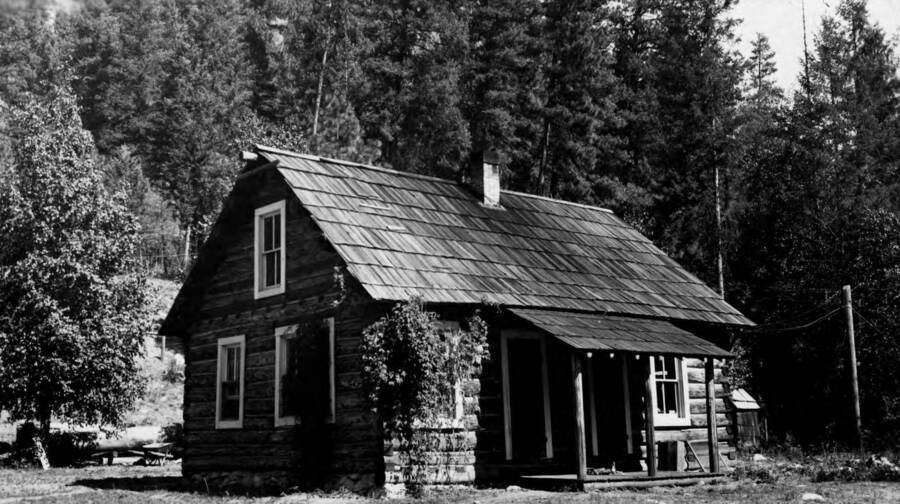
- Wilderness Portraits - photographs showing wilderness people and places.
About the SBW Project
“The Bitterroot Mountains form a rugged, glacier-carved border between Idaho and Montana. On both sides of this border is the Selway-Bitterroot Wilderness, the third largest Wilderness in the Lower 48. Only the 600 foot wide Nez Perce Trail (the Magruder Corridor), an unimproved dirt road, separates the Selway-Bitterroot from the Frank Church-River of No Return Wilderness. Except for the high crest of the Bitterroot Mountains, the area is dominated by ridges broken with raw granite peaks. Below the ridges are deep canyons covered with thick coniferous forest. Hidden low valleys are rich with old-growth cedar, fir, and spruce, with Ponderosa Pine dominating open grassy slopes along the rivers. Few humans visit the huge trailless portions of this Wilderness, which makes it all the more appealing for the Selway elk herd, plus abundant deer, moose, black bears, mountain lions, and wolves.” (Selway-Bitterroot Wilderness, Wilderness.net)
The SBW Project collected primary source materials from archives and public agencies across the country relating to the Selway country of Idaho and western Montana. Additionally, they conducted extensive oral histories from people involved in the wilderness area.
Much of these curated materials are housed in a research collection at the University of Idaho Special Collections & Archives and are listed in the Sources Related to the History of the Selway-Bitterroot Wilderness Area finding aid. Keep in mind that since most of these resources were collected from other institutions (including as photocopies, images, and transcripts), U of I Spec may not hold the original documents or related materials.
The original site described the project:
“The products of our project—a historical book, a web-exhibit, and an archive of documents, photographs, and oral histories—will promote a better understanding of the relationship between human beings and natural environments in one of the largest and most pristine wilderness areas in the U.S.
“Located in the Northern Rocky Mountains at the center of the largest wilderness complex in the lower 48, the Selway-Bitterroot Wilderness is iconic in the wilderness preservation system. Although human beings have been steadily interacting with the land that now comprises the Selway-Bitterroot since prehistory, the human impact on the area is negligible compared to other wild lands in the U.S. Why? What kinds of people chose this area as their home? What kinds of decisions did they make about living on the land? What kinds of laws did they establish and why? What “accidents” of history made human impact in the Selway-Bitterroot so low? How did the rigors of the land itself aid in the preservation process? Answering such questions is vital to an understanding not only of the Selway-Bitterroot, but also of wilderness areas more broadly, at a time when U.S. citizens throughout the country struggle with the question of how best to interact with and manage wild lands, which arguably, are among our most important national resources.”
Wilderness Voices
Originally posted at selwaybitterrootproject.wordpress.com (web archive version), the Wilderness Voices podcast curated excerpts from longer oral history interviews conducted by the SBW project.
The original site described the project:
“Who attached themselves to the Selway-Bitterroot Wilderness, and why? What about people’s practices and beliefs and their interaction with the land itself preserved its wild character? What do people’s stories tell us about relationships between people and wildland that might be applicable to the future of U.S. wildernesses more broadly? The oral histories gathered for the Selway-Bitterroot History Project will attempt to answer these questions. We are interviewing some 40 people from current wilderness workers and volunteers to old timers who lived on the land before the 1964 Wilderness Act. Our informants include men and women from all ages and walks of life, from property owners, scientists, Forest Service employees, educators and volunteers. Oral history interviewees include those who were raised on or who owned early homesteads as well as outfitters, packers, trappers, former Fish and Game conservation officers, pilots, early river-runners, smokejumpers, early trail crew members, and wilderness workers. Many lived and worked in the Selway-Bitterroot when the 1964 Wilderness Act was passed and were some of the first people in the U.S. to interpret the legislation as it played out on the ground.”
Wilderness Pages and Wilderness Portraits
Originally posted at the main project website sbw.lib.uidaho.edu (web archive version) and in a digital collection database, the Wilderness Pages and Wilderness Portraits sections contain curated documents and images relating to the Selway-Bitterroot region.
The digital items represent a selection of the larger physical research collection housed at University of Idaho Library Special Collections. However, since most of these resources were collected from other institutions, U of I may not hold the original documents or related materials. These items may be photocopies, photographs of documents, and transcripts. Metadata is included to link back to the original source archives.
Technical Credits - CollectionBuilder
This digital collection is built with CollectionBuilder, an open source framework for creating digital collection and exhibit websites that is developed by faculty librarians at the University of Idaho Library following the Lib-Static methodology.
Using the CollectionBuilder-CSV template and the static website generator Jekyll, this project creates an engaging interface to explore driven by metadata.
