Integrated Research and Innovation Center
Geographic Coordinates: 46.72884927051294, -117.01313841044912
Location: 685 Line St
Integrated Research and Innovation Center Overview
Date: January 2017
Standing: Yes
Architect: NBBJ, Principal Bryan Zagers
Architectural Style: 21st Century Modern
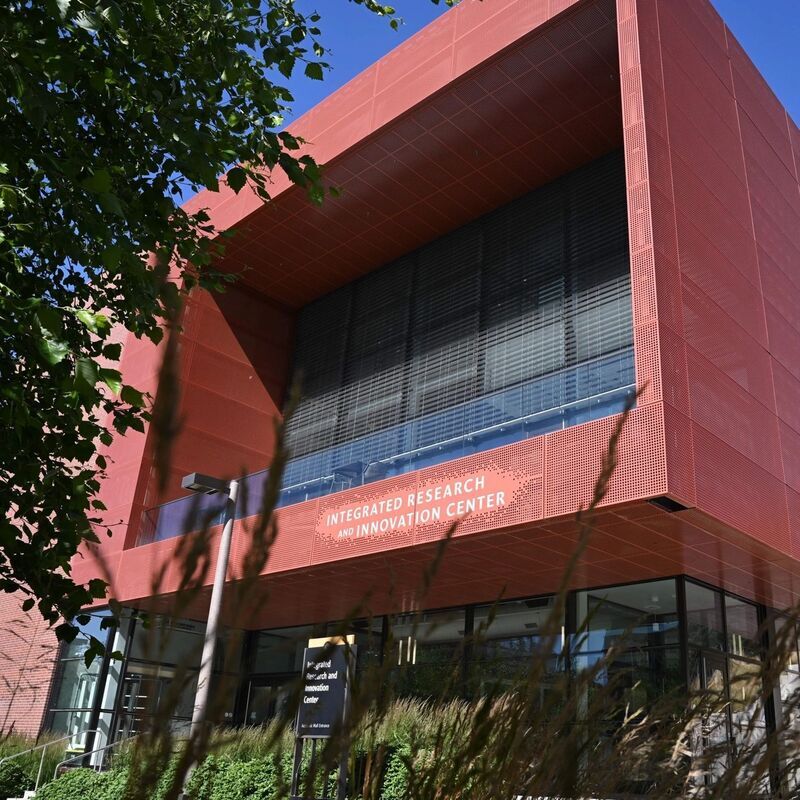
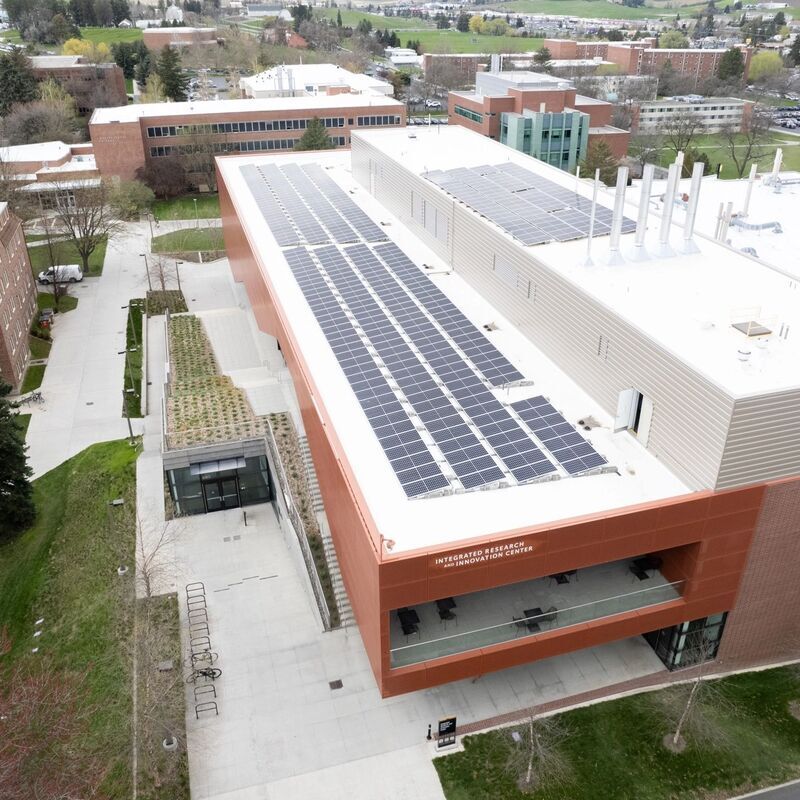
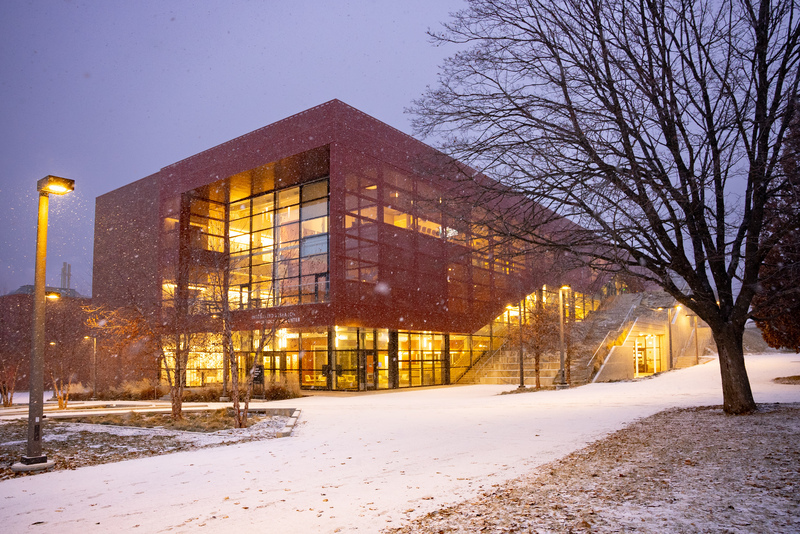
Description: 3.5-story, rectangular-form structure with curtain wall fenestration on the east façade. Red-metal cladding, glass, and red-brick masonry combine to create a visual link to surrounding buildings. The structure rests on a reinforced concrete foundation built into the hillside and includes balconies on the second and third floors, concrete staircases, and glass-and-metal doors. LEED Gold certified.
Cost: $52 million
History
The Integrated Research & Innovation Center (IRIC) was completed in 2016 as a cross-disciplinary facility supporting collaborative research for all University of Idaho colleges.
The $52 million, 78,500-square-foot building was designed to accommodate flexible, evolving workspaces with interconnected, reconfigurable circulation. Intended to foster innovation across disciplines, the IRIC also represented a significant departure from the university’s traditional architectural language, though its designers incorporated red-pressed brick to harmonize with earlier campus buildings.
The facility achieved LEED Gold certification, reflecting its environmentally conscious design and construction.1
Design
The IRIC was designed in a 21st-century Modern style. It emphasizes rectilinear geometry, contemporary materials, and a flat roofline. Its layout and structural systems support adaptable interior spaces that can be reconfigured over time to meet changing research needs. Red-metal cladding and red-pressed brick reference the university’s historical material palette, blending the building into its campus context while also asserting a distinctively modern identity.2
Physical Description
The building is a 3.5-story, rectangular-form structure with curtain wall fenestration on the east façade. Red-metal cladding, glass, and red-brick masonry combine to create a visual link to surrounding buildings. The structure rests on a reinforced concrete foundation built into the hillside and includes balconies on the second and third floors, concrete staircases, and glass-and-metal doors.
Notes
-
NBBJ, Integrated Research and Innovation Center project (archive) ↩
-
Kathy Juarez, National Register of Historic Places Historic Context and Evaluation for: the Wallace Residence Center, the Lionel Hampton Music Building, the College of Education Building, and the Integrated Research and Innovation Center, ed. Shelley Walker-Harmon and Nathan J. Moody (University of Idaho, 2024). ↩
Browse Images