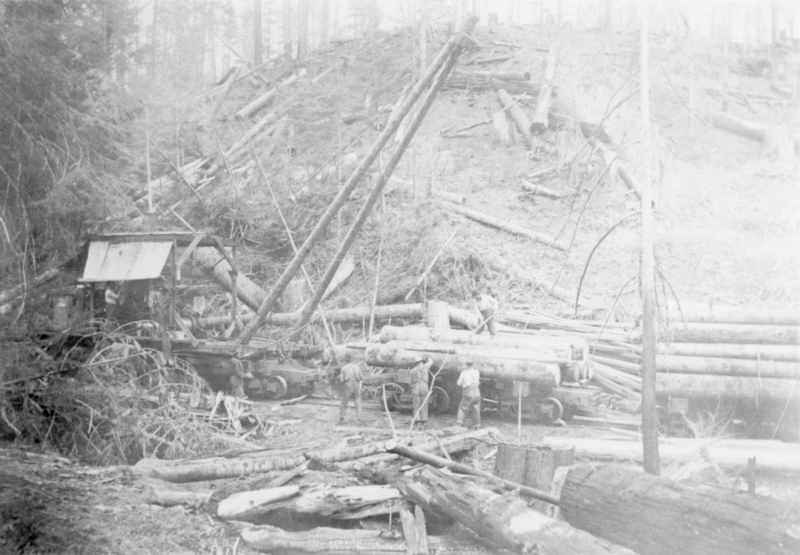
Pictorial Glossary of Terms
Definitions taken from the USDA Glossary of Terms Used in Timber Harvesting and Forest Engineering
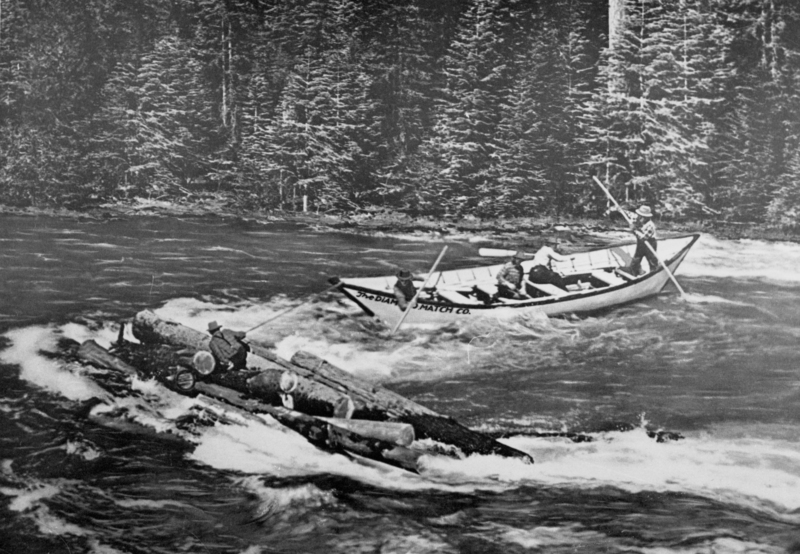
Bateau
- A flat-bottomed boat with raked bow and stern and flaring sides.
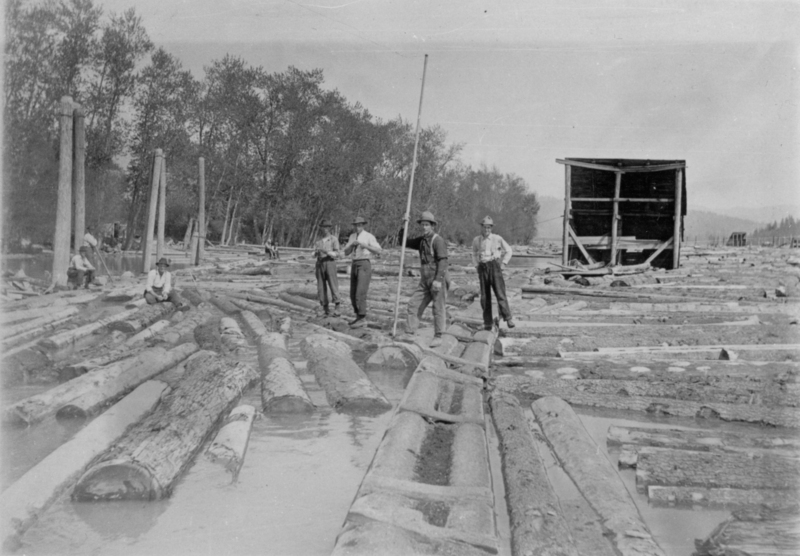
Boom
- Pole, timber, or metal arm protruding from a machine; for example, the boom on a loading machine.
- Raft of logs or a loose bag of logs in the water.
- Logs connected together to form a pocket to confine logs into a raft.
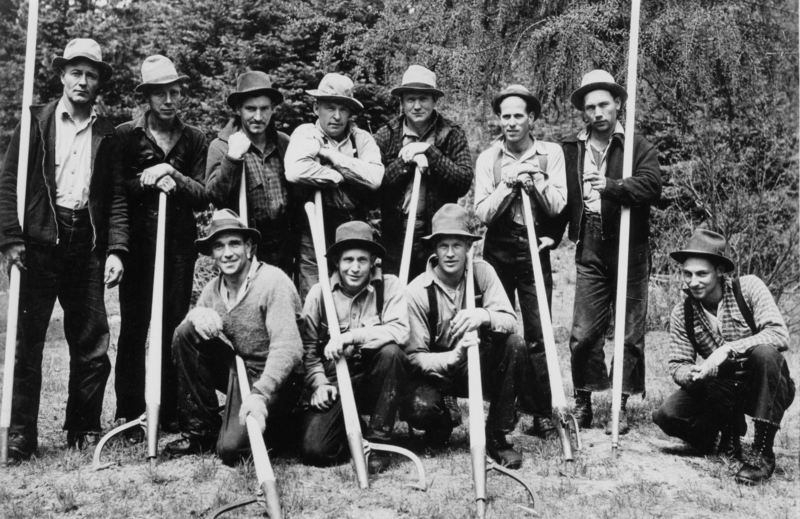
Cant Hook
- Stout wooden lever used in rolling logs. Differs from a peavey in that it has no spike in the end of the stock.
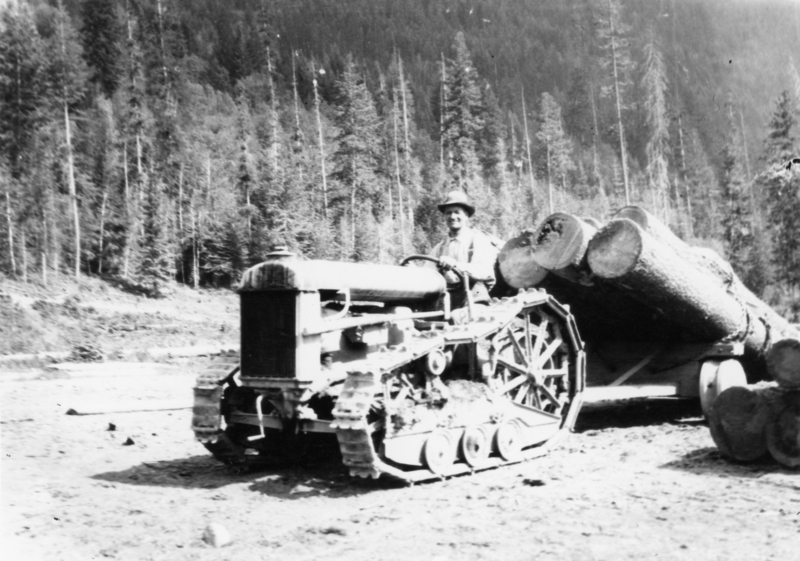
Crawler
- Tractor operating on continuous treads instead of wheels.
Flume
- Trough of water used to convey wood.

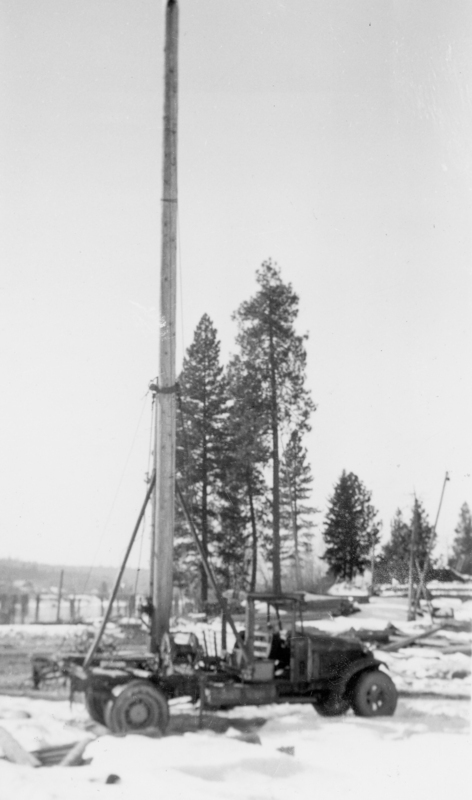
Jammer
- Lightweight, two-drum yarder usually on a truck with a spar and boom; may be used for both short distance yarding and loading.
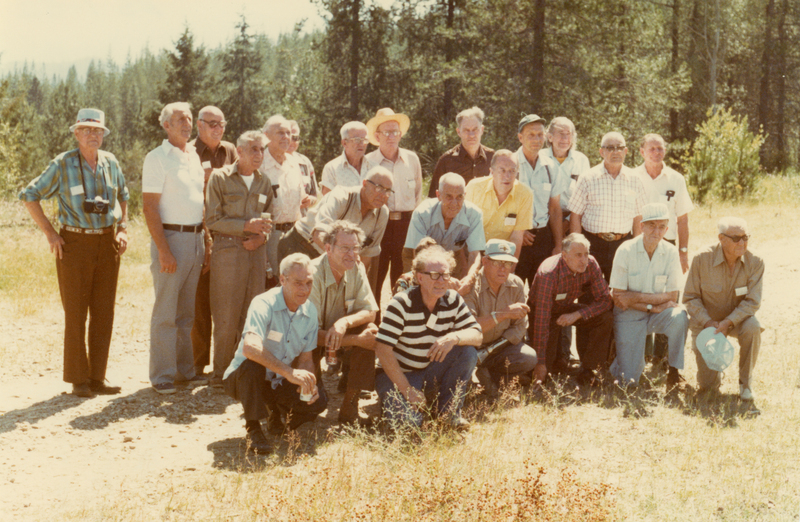
North American Civilian Conservation Corps Alumni Association
- Group formed in 1977, referred to in this collection as NACCCA.
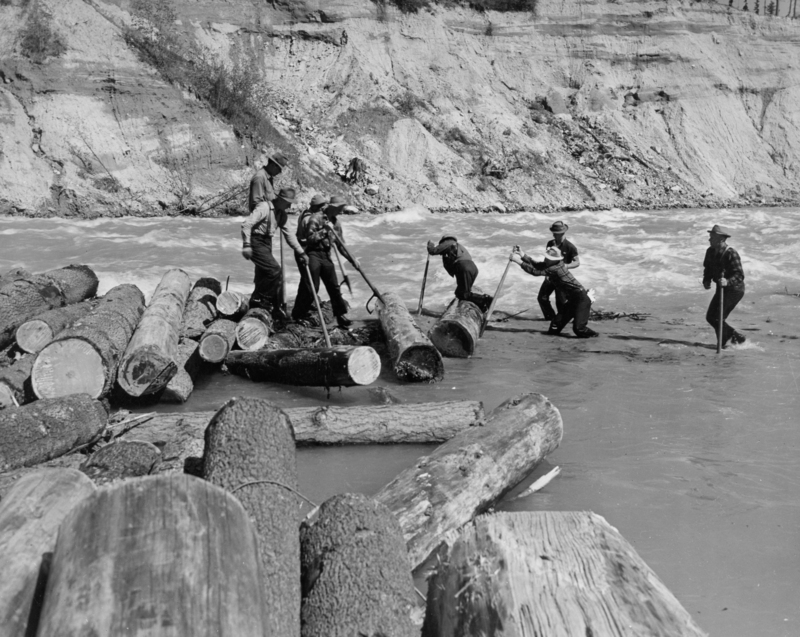
Peavey
- Stout wooden lever, fitted with a strong, sharp spike used for rolling logs.
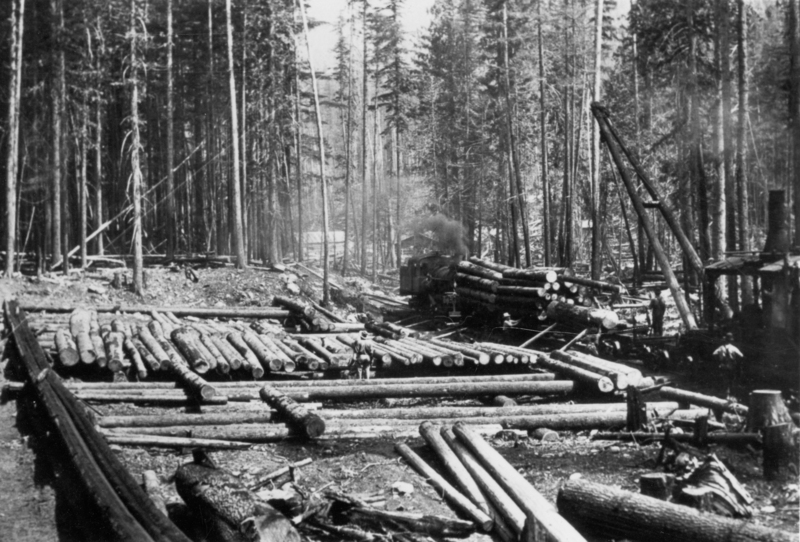
Rollway
- Any place where logs are dumped and they roll or slide to their resting place.
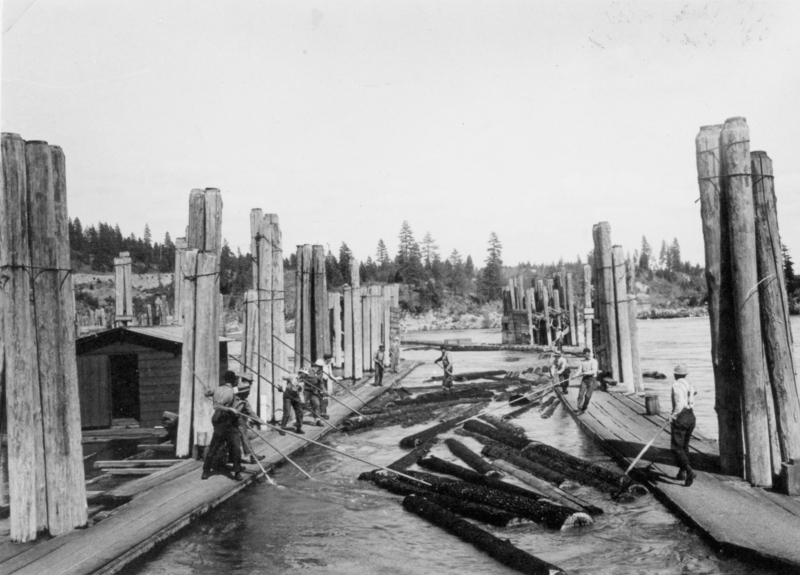
Sorting Gaps
- The areas on a log pond enclosed by boom sticks into which logs are sorted.
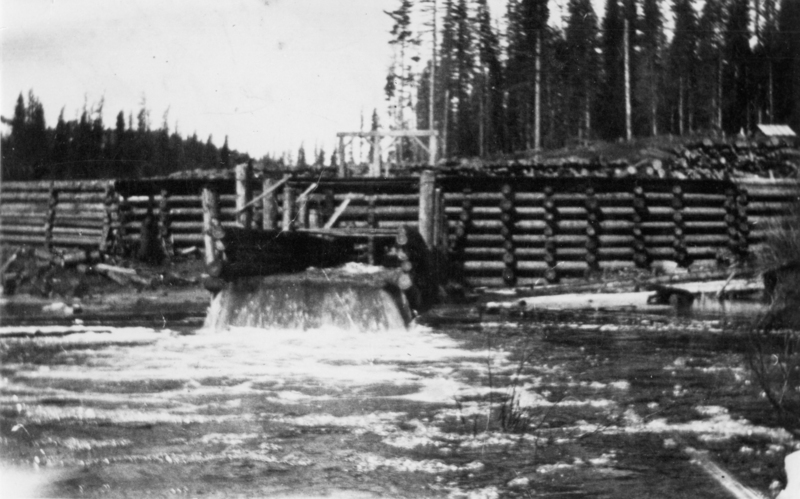
Splash Dam
- A temporary wooden dam used to raise the water level in streams to float logs downstream to sawmills.
Streamside or Buffer Strip:
- Strip of uncut timber left between cutting units or adjacent to another resource.