
About the Collection
Please Note: Materials in this digital collection are not held by University of Idaho Library Special Collections and Archives. Please contact Priest River Library at library@westbonnerlibrary.org for information.
About the Collection
Authored by Christa Shanaman
Priest River Library
The first photographs in this collection were given to Roger Gregory, through a grant he received from the Idaho Humanities Council, then known as the Association for the Humanities in Idaho, in the 1980s. Roger initially collected the first photographs as copies from Chuck Peterson of Hope, Idaho, a retired Forest Service employee. Mr. Peterson had collected a massive assortment of historical photos of Bonner County, including the Priest River-Priest Lake communities.
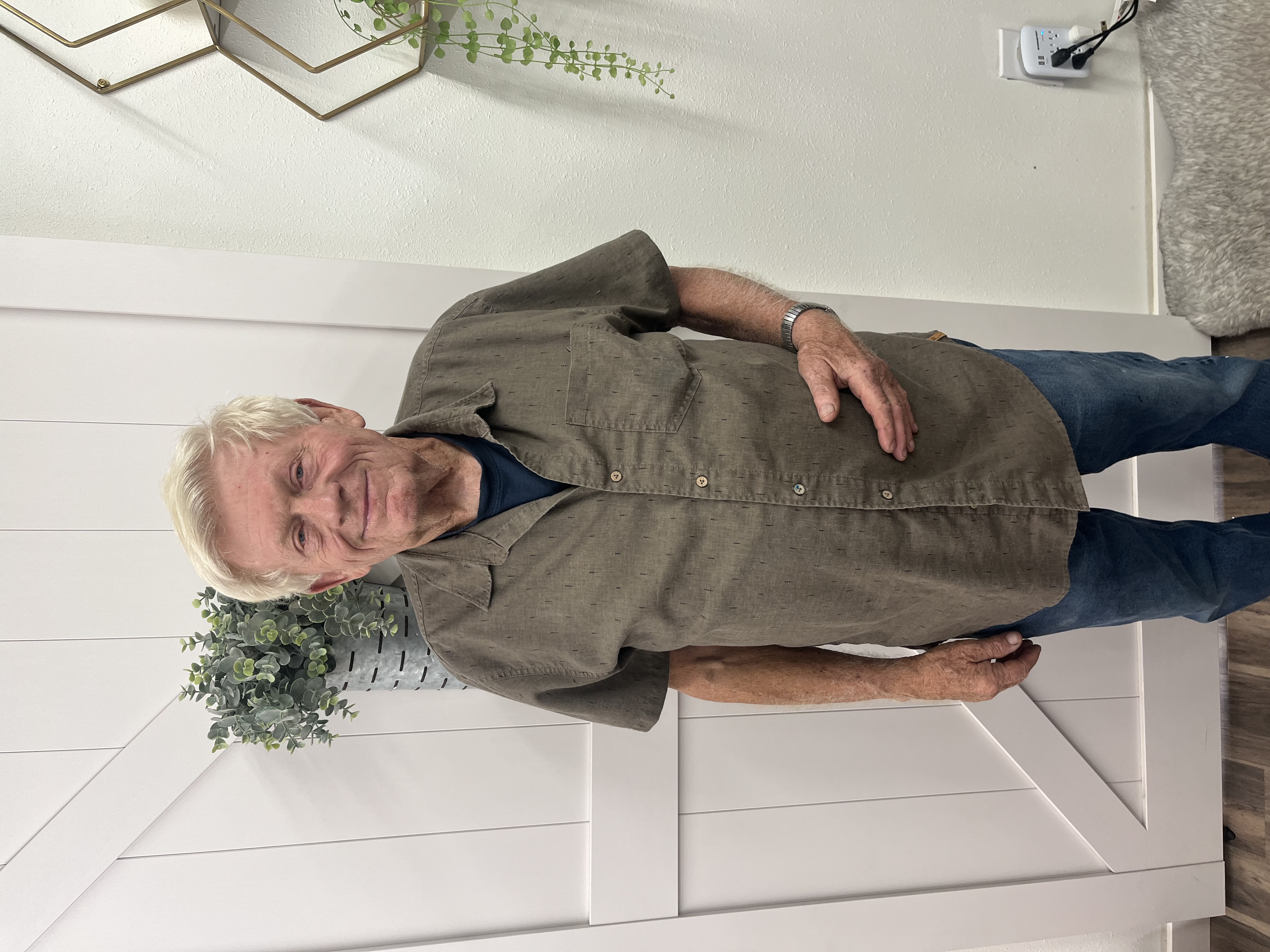
Roger Gregory’s intent was to restore community pride to a timber town in recession, and one which had almost forgotten its glorious past. He needed photos to assist in this process. A very active businessman at the time, he solicited the help of two local women to assist him. One was to collect the photos from old-timers and their descendants, and the other would gather whatever information was still available about them.
Both ladies proved too busy to carry through, so Roger turned to a resident writer who had become so entranced with the community’s history that she was collecting and writing about it and becoming known as the town’s local historian. Mr. Gregory ended up turning everything having to do with photo collecting and ownership over to her, Marylyn Cork.
The collection that she, her friends, and others amassed over the years was intended to eventually be donated to an organization then in its infancy, the Priest River Museum. However, because the museum still has no facility for storing, displaying and protecting the photos, in 2024 Mrs. Cork made the decision to turn them over to the community via the Priest River Library.
In 2024, the Idaho Humanities Council provided grant funding to the library for the approximately 1800 photographs to be digitized and made available through the University of Idaho Digital Collections. Christa Shanaman, from the West Bonner Library District and several volunteers have been scanning and processing the metadata for each individual photograph in the collection. Once the process of digitizing is complete, the physical collection will be catalogued and archived for physical access through the Priest River Library.
About Marylyn Cork
Born in Montana, Marylyn Cork was raised in the Sagle area of Bonner County, Idaho, near Sandpoint where her father had a small sawmill and ran a farm. She graduated from Sandpoint High School in 1954 and attended the University of Idaho until she married at nineteen. She then moved to Priest River, also in Bonner County, in October of 1955. Her husband, a Diamond Match employee, died of heart trouble after 40 years of marriage, leaving four grown children.
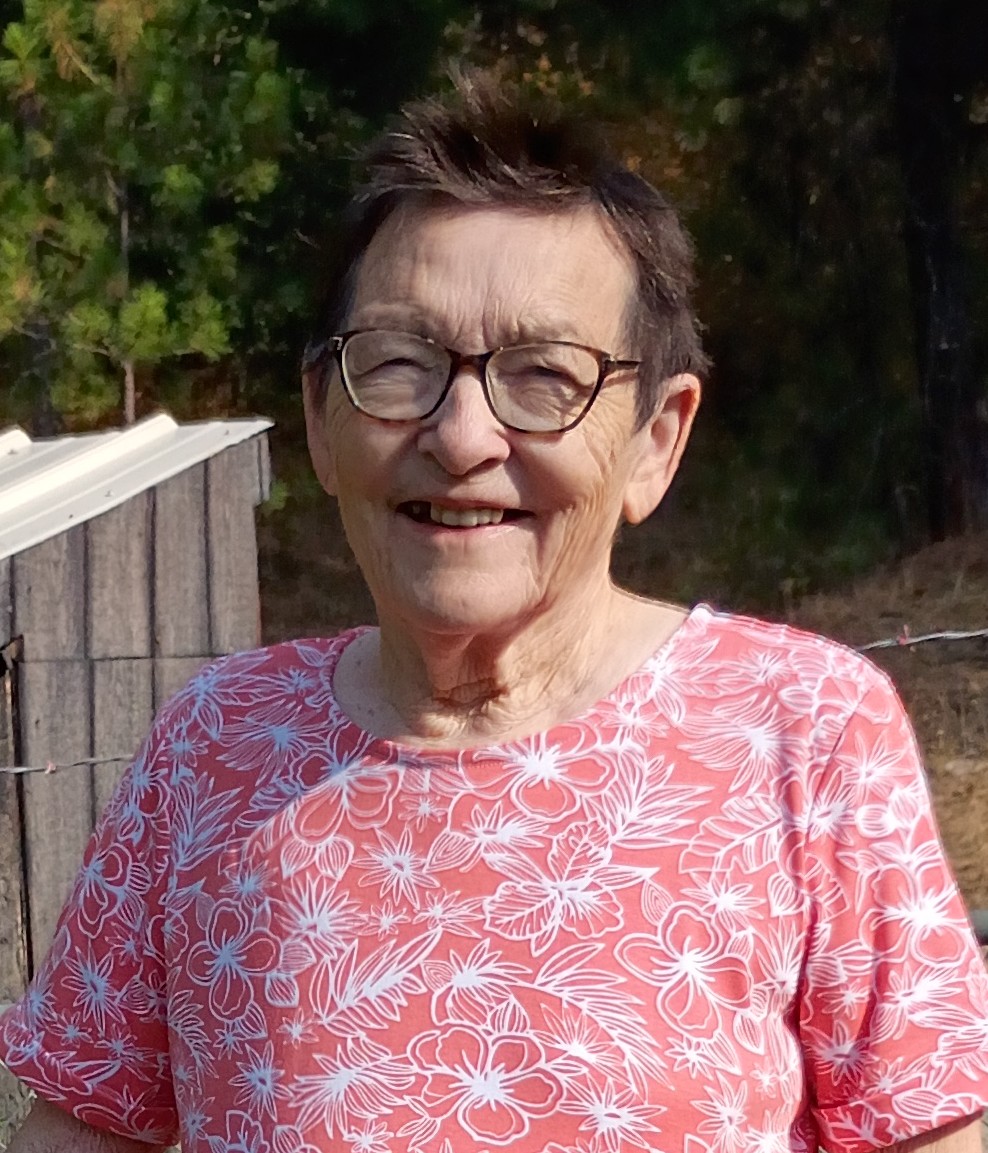
Always something of a history buff and writer, Marylyn was working for the Priest River Times newspaper at the time as the editor. Though she retired at age 65, Marylyn continued to write for the Times, the Bonner County Daily Bee of Sandpoint, as well as other free-lance publications.
In the 1970s, she became known as a Local Historian at Priest River, writing principally on the history of the town and the Priest Lake area. It was during the 1990’s that she took over the photographic collection from Roger Gregory and expanded it to what it is today. She is now retired and happy to turn the collection over to others.
About Priest River
Priest River, Idaho is a small town in western Bonner County, Idaho, located about five miles from the state border at Newport, Washington, and about sixty miles from Spokane. It is situated at the confluence of the Pend Oreille River and the Priest River, from which the town takes its name, at the foot of a long valley leading to big and beautiful Priest Lake and the boundary with Canada.
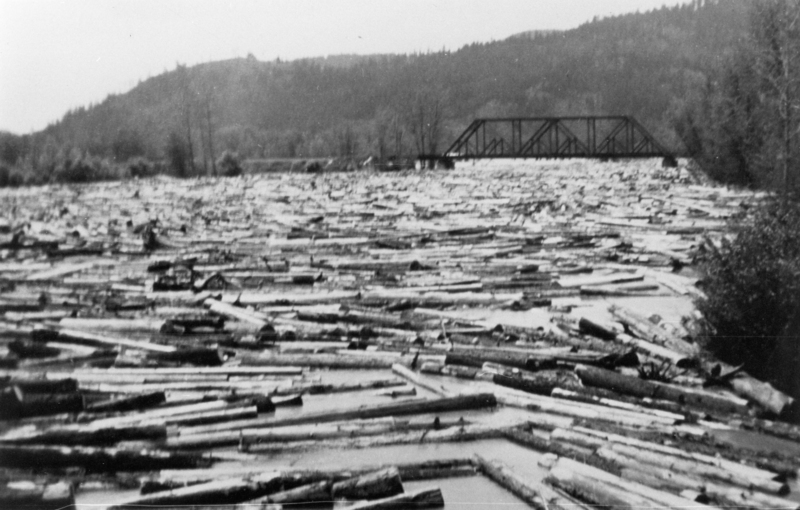
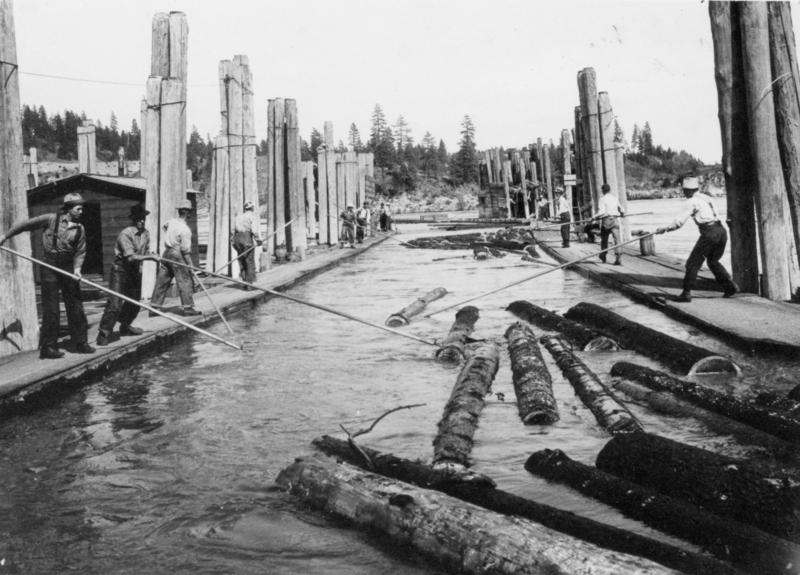
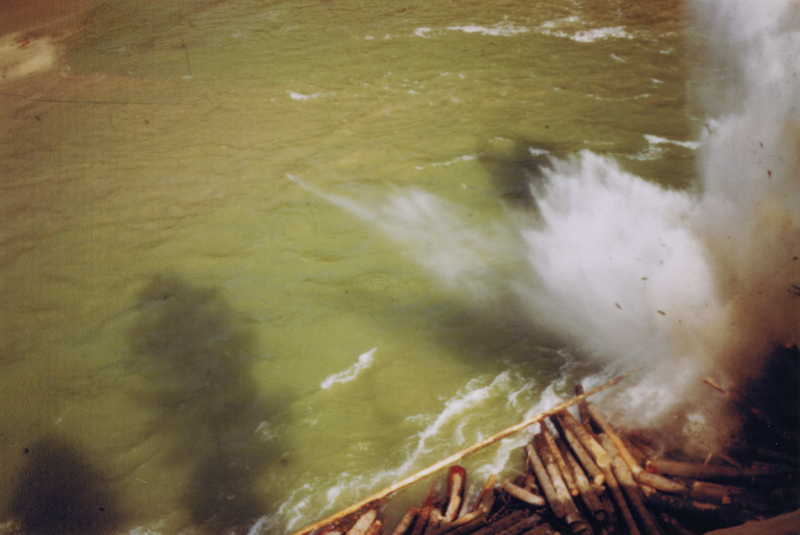
Priest River was a wide-open, proud timber town for more than half a century, its economy based on the wealth pouring out of the Selkirk Mountains in the form of giant white pine trees, ponderosa pine, larch, Douglas fir, and other softwood species foresting the area. A yearly spring log drive down the 67-mile wild and turbulent river drew thousands of visitors and even international attention to the town. The thousands of board feet of yearly timber harvest continued on down the Pend Oreille to a big sawmill located on the Idaho side of the state line and to other mills in Pend Oreille County, Washington.
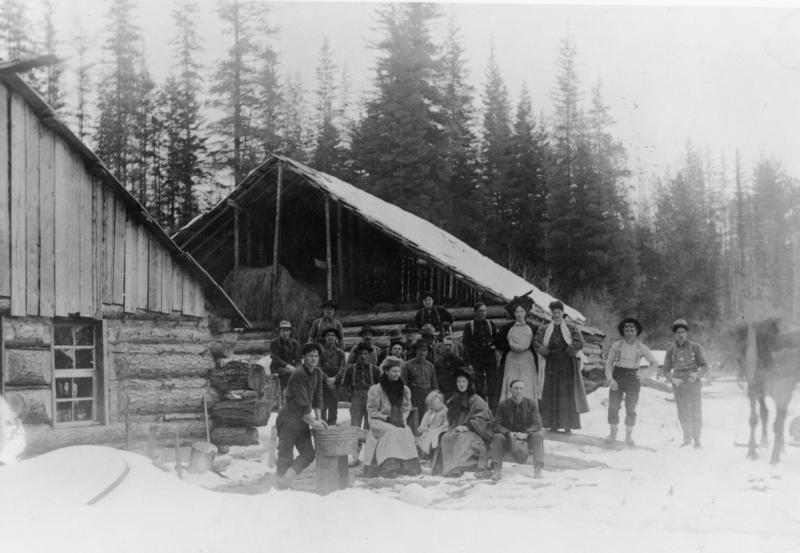
During its peak the area boasted half a dozen lumber mills which accounted for the majority of employment in the Priest River Basin. From the 1950’s on, the timber industry suffered a number of setbacks which resulted in an estimated 79% job loss and lost income across the area as many of the mills closed permanently. The town faltered for a time and a couple of decades passed before a sense of renewal and revival began truly to build. Today Priest River is a quiet and attractive little town with a sense of pride in its history and determination to survive.
Technical Credits - CollectionBuilder
This digital collection is built with CollectionBuilder, an open source framework for creating digital collection and exhibit websites that is developed by faculty librarians at the University of Idaho Library following the Lib-Static methodology.
Using the CollectionBuilder-CSV template and the static website generator Jekyll, this project creates an engaging interface to explore driven by metadata.
