
Episode 32 : A Lumber Camp and Bob Marshall Item Info
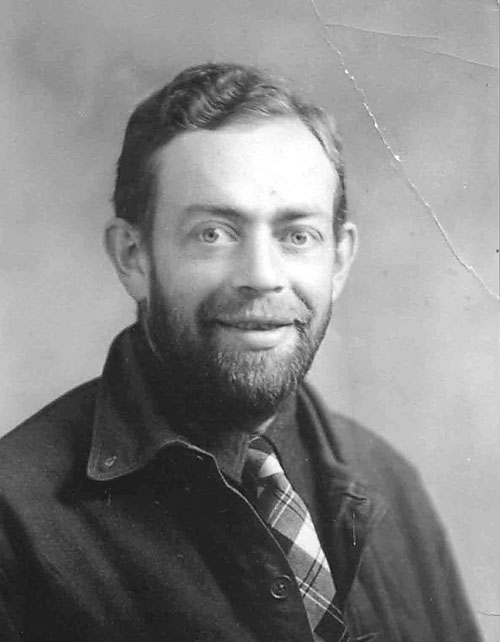
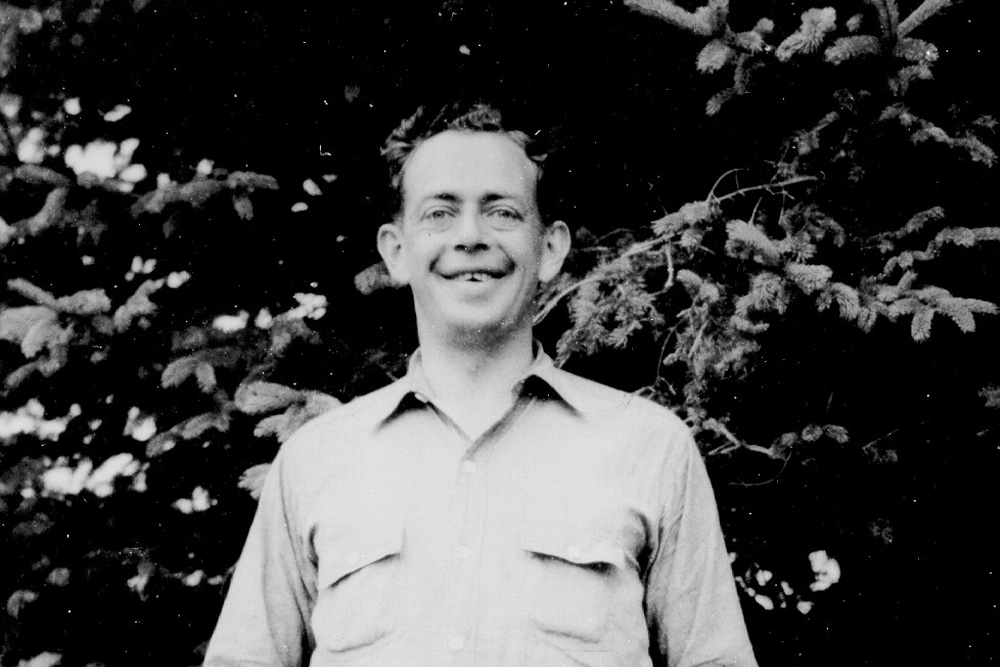
In this episode, titled “A Lumber Camp and Bob Marshall,” Karen Houppert reads several anecdotal excerpts from letters written by Bob Marshall. The reading takes place in the relaxed, storytelling style along the scenic Selway River with the sound of the river in the background.
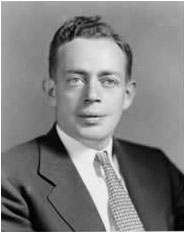
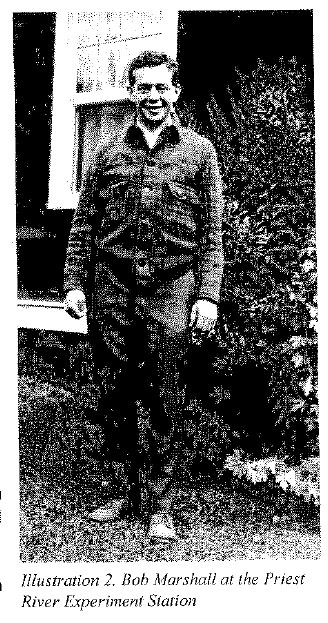
Bob Marshall served as the chief of forestry in the Bureau of Indian Affairs from 1933 to 1937, and the head of recreation management in the Forest Service from 1937 to 1939. While serving in these two posts, Bob proposed the idea of a formal, national association dedicated to wilderness preservation, and was one of the founding members of The Wilderness Society, which twenty-five years later fostered the 1964 Wilderness Act. In 1935, Bob classified the Selway-Bitteroot the “greatest of all” U.S. wildlands for its natural and historical significance. He crusaded tirelessly for the area’s protection and single-handedly prevented the construction of a major roadway through the area; in fact, he gave so much energy to protecting the Selway-Bitterroot, the wilderness was originally supposed to bear his name. Bob Marshall is also considered by many to be responsible for starting the wilderness preservation movement in America.
These excerpts show a lighter side of Bob Marshall’s outlook, as he relates some his own time spent in the wilderness. This obviously led to many of his opinions regarding the preservation of the natural landscape for future generations.
Audio Clip
Reader: Karen Houppert (with Debbie Lee)
Location: Selway River
Date: 2012
KH: All right, so I'm going to read a little bit from Bob Marshall's diary, or journal. The first excerpt is a short one from Dalkina Camp One, Kaniksu National Forest, Idaho, October 9, 1926.
"The food at the camp has been fine. I've only had to break my diet once, and that not very seriously. All my life, I've never really received a first-rate cut; therefore any remarks I might make about lacerations lack the basis of wide experience. But nevertheless, it would be worth remarking that the other evening, I received a most interesting laceration of my life. I was reaching gently for a piece of bread when, simultaneously, an old lumberjack set out to spear a chunk with his fork in the common lumber camp manner. Fork and hand collided at the brink of the plate, and two of the tines punctured my skin. So, you see, even so unexciting an episode as eating has its perils."
DL: [Chuckles] What year was that?
KH: 1926.
DL: Okay.
KH: This next one I'm going to read is a bit longer. It's an excerpt in the life of the Priest River Experiment Station, October 17, 1926.
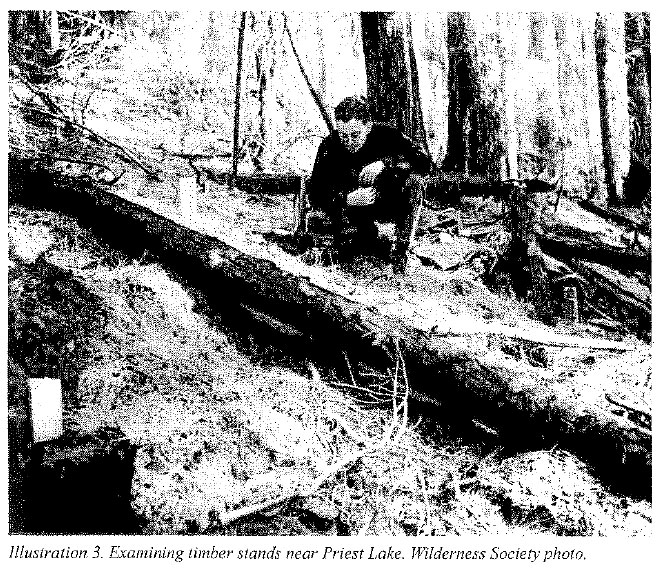
"Thirteen days in a lumber camp and how were they spent? Well, I could write a detailed account of the methods employed and the objectives sought in laying out permanent samples: R 5 MC 102, 121, but this would be of interest only to foresters, and to damn few of them. Though I will glide over rapidly the pleasure at least one forester derived in helping select a typical ten-acre area on which to study in detail that method of cutting most prevalent of the Western white pine type."
And then he actually goes on to give the description which actually is quite boring, so I'm going to skip it. So, he goes on to say,
"The average day would probably be of greater interest. At 5:45, the flunky pounds the iron triangle outside the cookshack for half a minute, and we roll out. There are several of us sleeping in a little 15 x 15 scalers shack. The five in our party and two foremen working on brush disposal. There's a single and a double bunk, and one of the fellows has brought a light Army cot. Two are suspended high among the rafters on a spring and mattress resting up there, while I am stowed away in one corner of the floor on my air mattress. The cabin is well ventilated, especially low down, so the crowd has no adverse affect on sleep. One of the foremen gets up half an hour before rising time, and lights a fire in the stove, which makes dressing more comfortable on these cool mornings. At six fifteen, the triangle is pounded again, and the men, about forty in all, pour out from four or five shacks and head for the mess hall. Dalkina Camp One is one of the minority among lumber camps, for it still prohibits talking at meals. As a result, in a quarter of an hour, everyone is out again, having disposed of a good meal too fast for pleasure or health. At seven, we leave for work, five minutes away, and are busily engaged on our ten acres until an hour before noon. Then, back to the camp, and dash through lunch, in which Wiedman, a brush-burner named Teft and I, were always far behind the rest. We received nothing worse than black looks from the cooks, however, and so eating at a pace somewhat resembling the proper. Then, the meal is digested with talk and reading until noon, when we set out to work again. Four more hours fly by, and we go back when the work's done. At four fifteen, another meal, and at four thirty-three, at worst, or rather, best, it is all in the stomach."
I'm going to go skip ahead a little here, to ...and now he's talking about, he's preparing some meals, and he says, I'm skipping ahead a bit,
"At about eight o'clock, Ed Person and Chris Peterson, the old farmers, return. Around nine fifteen, I would prepare my fourth meal of the day, in which I was sometimes joined by the other fellows. By nine thirty, the gas lamps would be turned off, the windows opened, and seven forms stretched out in the horizontal."
Gallery
- Title:
- Episode 32 : A Lumber Camp and Bob Marshall
- Date Created (ISO Standard):
- 2013-01-21
- Description:
- In this episode, titled "A Lumber Camp and Bob Marshall," Karen Houppert reads several anecdotal excerpts from letters written by Bob Marshall. The reading takes place in the relaxed, storytelling style along the scenic Selway River with the sound of the river in the background. Bob Marshall served as the chief of forestry in the Bureau of Indian Affairs from 1933 to 1937, and the head of recreation management in the Forest Service from 1937 to 1939. While serving in these two posts, Bob proposed the idea of a formal, national association dedicated to wilderness preservation, and was one of the founding members of The Wilderness Society, which twenty-five years later fostered the 1964 Wilderness Act. In 1935, Bob classified the Selway-Bitteroot the "greatest of all" U.S. wildlands for its natural and historical significance. He crusaded tirelessly for the area's protection and single-handedly prevented the construction of a major roadway through the area; in fact, he gave so much energy to protecting the Selway-Bitterroot, the wilderness was originally supposed to bear his name. Bob Marshall is also considered by many to be responsible for starting the wilderness preservation movement in America. These excerpts show a lighter side of Bob Marshall's outlook, as he relates some his own time spent in the wilderness. This obviously led to many of his opinions regarding the preservation of the natural landscape for future generations.
- Duration:
- 8:13
- Subjects:
- camps lumber camps stories
- Section:
- Wilderness Voices
- Location:
- Selway-Bitterroot Wilderness (Idaho and Mont.)
- Publisher:
- Wilderness Voices, The Selway-Bitteroot Wilderness History Project, https://selwaybitterrootproject.wordpress.com/
- Source:
- Wilderness Voices, The Selway-Bitteroot Wilderness History Project, https://selwaybitterrootproject.wordpress.com/
- Original URL:
- https://selwaybitterrootproject.wordpress.com/2013/01/21/a-lumber-camp-and-bob-marshall/
- Source Identifier:
- Selway-Podcast-ep32
- Original Format:
- Podcast
- Type:
- Sound
- Format:
- audio/mp3
- Language:
- eng
U of I Digital Collections contain unique digitized and born digital archival materials in a variety of formats. The Library is committed to ensuring our resources are accessible to all users. Please contact us if you need support accessing or using this archived content.
Contact us about this record Library Help- Citation:
- "Episode 32 : A Lumber Camp and Bob Marshall", The Selway-Bitterroot Wilderness History Project, University of Idaho Library Digital Collections, https://www.lib.uidaho.edu/digital/sbw/items/sbw331.html
- Rights:
- Copyright: The Selway-Bitteroot Wilderness History Project. In Copyright - Educational Use Permitted. For more information, please contact University of Idaho Library Special Collections and Archives Department at libspec@uidaho.edu.
- Standardized Rights:
- http://rightsstatements.org/vocab/InC-EDU/1.0/