
About the Collection
The Collection
The digital collection was created to increase access to a large assemblage of buttons and stickers, most of which relate to American political life. Researchers can find photos of the button fronts and may notice that the print quality and clarity can vary dramatically.
The Political Buttons and Stickers Collection preserved by the University of Idaho Special Collections and Archives contains 1,913 buttons and 19 stickers, dating between 1890 and 2001. Many of the buttons convey information about various federal and state political campaigns, while others are more humorous or used for advertisement purposes. They feature a variety of events beyond the election campaigns themselves, including inauguration ceremonies, conventions, advertisements, the Olympic Games, the University of Idaho, and more. The stickers in the collection address political campaigns as well as topics like overpopulation and professional football.
Faculty in the University of Idaho Politics and Philosophy Department transferred these buttons to the University Library in 2025. Archivist and Special Collections Librarian Kelley Moulton began working with the collection in January of 2025. Each button was removed from existing plastic packaging and pinned to archival foam for better organization. Button identification relied on some minimal documentation that accompanied each item at the time of donation, augmented by additional research where possible. Researchers are encouraged to help improve the current descriptions if they notice errors or omissions.
After the collection of buttons was catalogued, Archives Coordinator Zoe Stave took photographs of the items, experimenting with effective lighting and photo editing. Digital Archivist Rebecca Hastings prepared the photos and metadata for inclusion in this digital collection. This was truly a team effort, from start to finish.
Development of Political Button Making
The history of political ephemera in the U.S. can be traced back to George Washington’s 1789 inauguration, which featured clothing buttons and fasteners with words and images that showed support for a candidate. Later, with photography advancements during the 1850s, thin tintypes with small photographs became the typical style of political button. 1
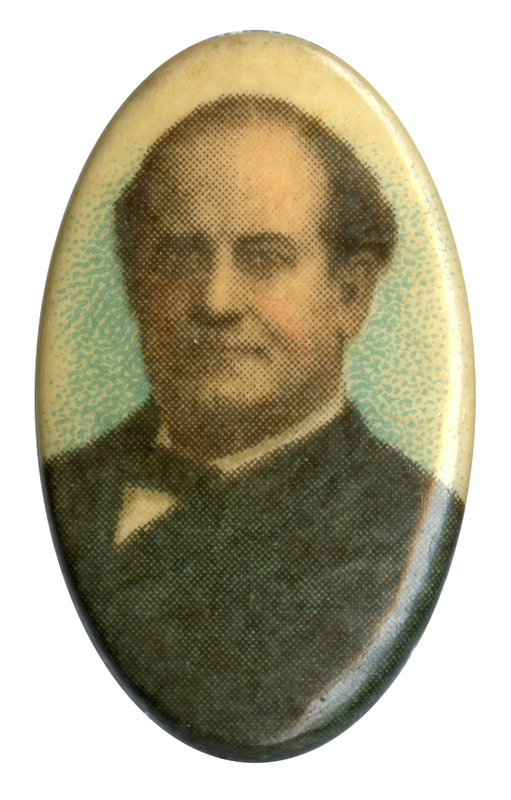
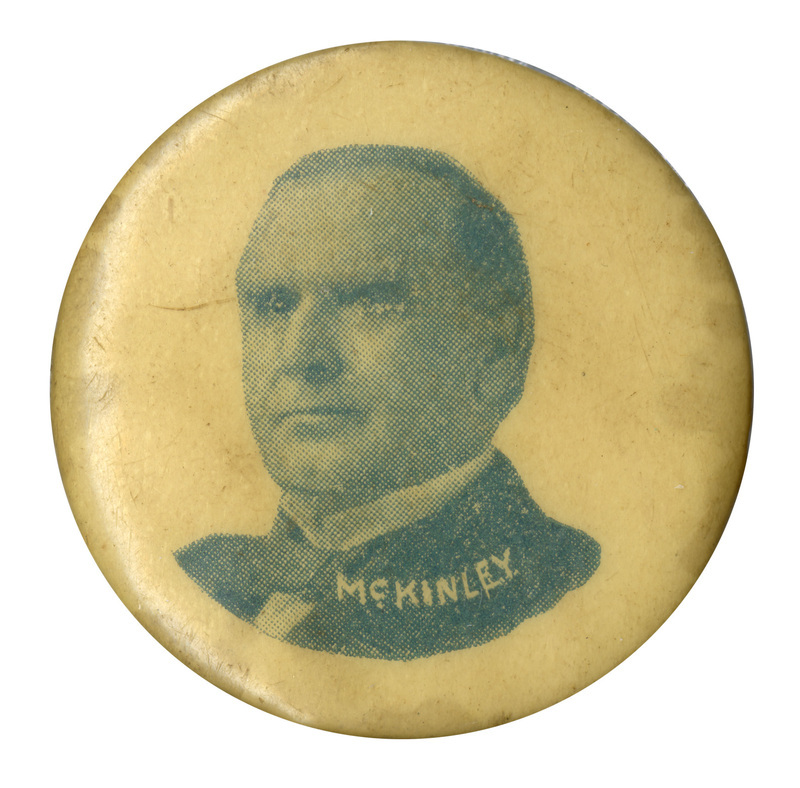
Mass-produced celluloid political buttons were not introduced into campaigning until the presidential election of 1896, in which Republican William McKinley and Democrat William Jennings Bryan ran against one another. These celluloid buttons featured a printed image or words on the front of the button which was then covered with a thin sheet of synthetic plastic-like material.
The Whitehead & Hoag Company (W&H) was a major force behind the introduction of this new style of political button. Incorporated by Benjamin S. Whitehead and Chester R. Hoag in 1892, W&H acquired the patents for this new style of button between 1893-1896. The company would grow to become the largest global manufacturer of buttons before the development of the small printing press 2.
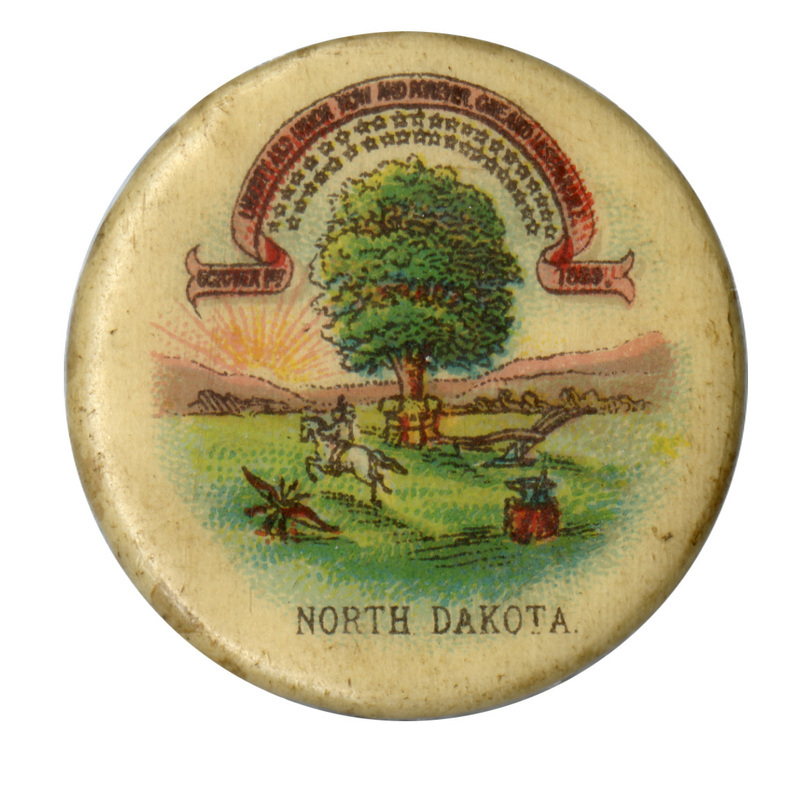
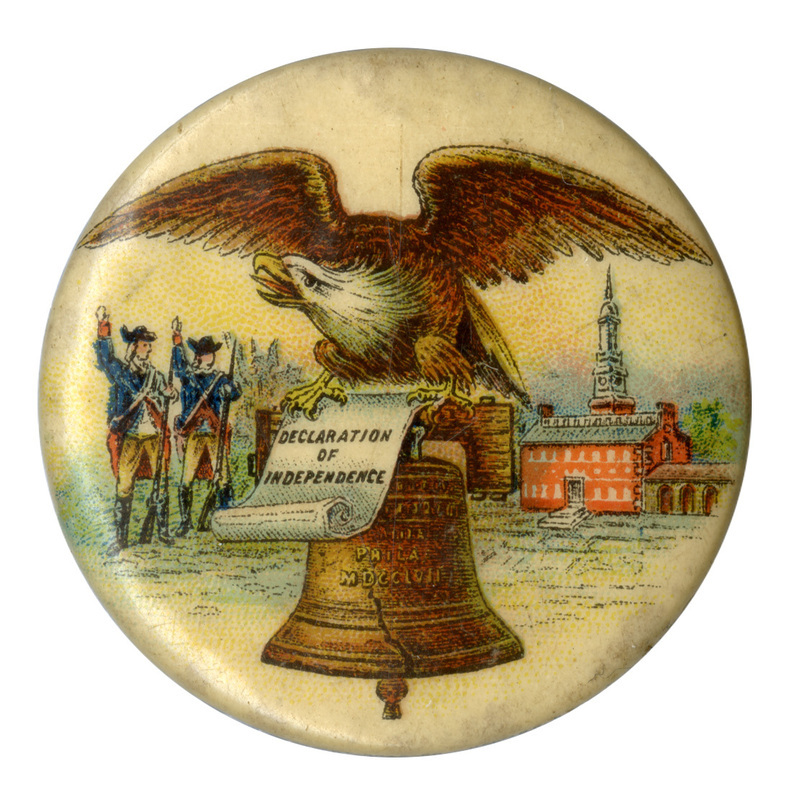
Today’s buttons are very similar to those from 1896. They still tend to have metal backs with an image covered with a thin sheet of plastic. But some advances in button technology can be found in this collection. A number of buttons feature holographic or lenticular images where the image changes as the angle at which it is viewed changes; these were popular between 1950 and 1980.


Campaign Buttons in the University of Idaho Collection
This collection provides a unique snapshot of some evolving styles, themes, and designs in American political ephemera.
The colors used in the buttons changed dramatically as time progressed. The older buttons generally included a white background with only a few additional colors and very simplistic designs. Newer buttons contain a broader range of colors, such as buttons from 1997 with bright purples and yellows, as well as more artistic elements in general.

The size of the buttons has also increased! The buttons in this collection range from being smaller than a quarter to almost as large as a dinner plate.
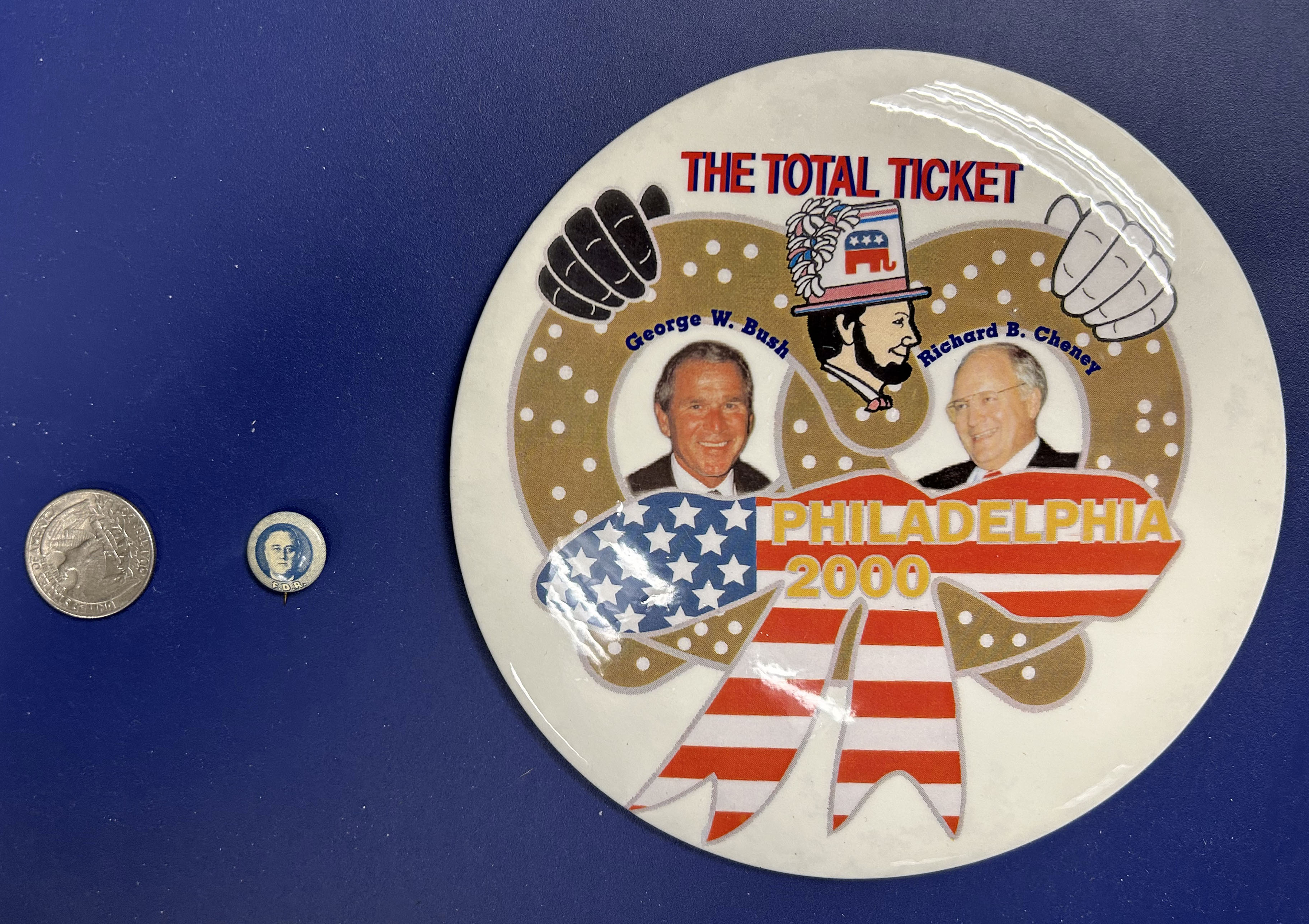
Most of the buttons are round, but hidden within the collection are rectangular buttons, buttons shaped like hats, buttons that look like sunflowers, numerous elephants, buttons with ribbons, heavily beaded and decorated buttons, and more.
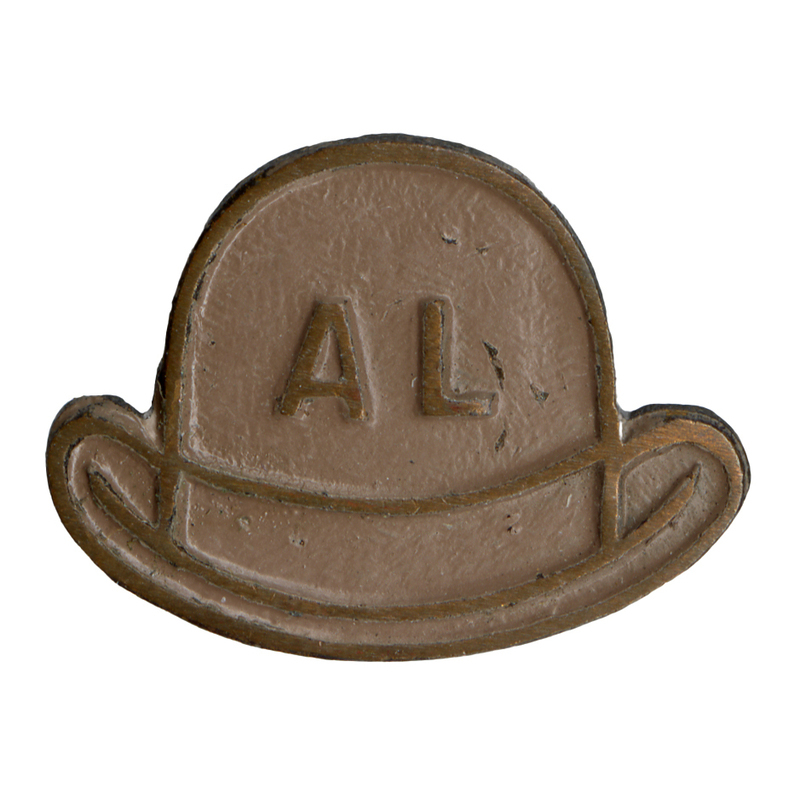
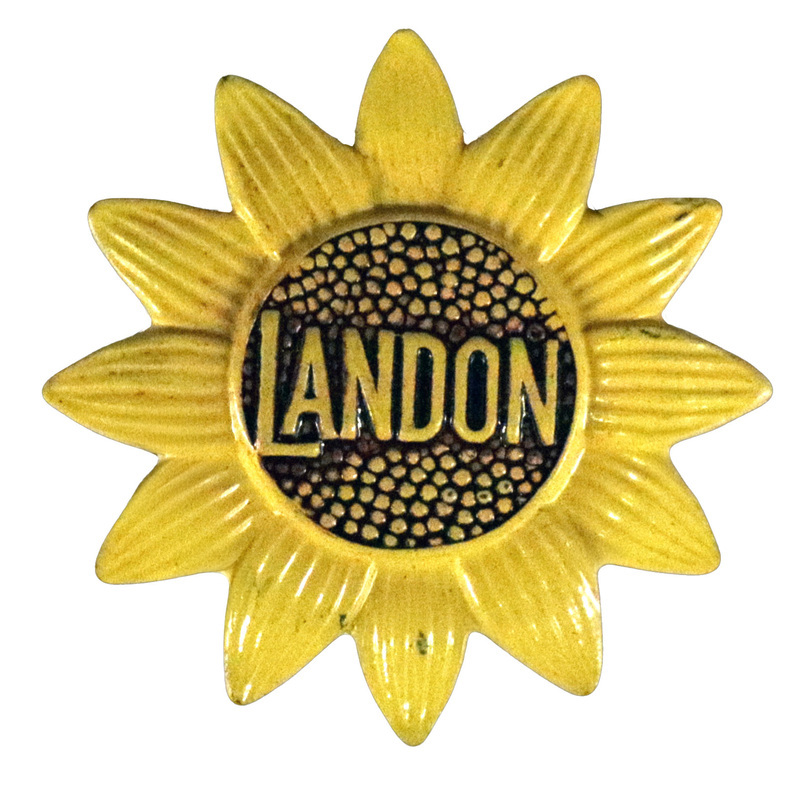
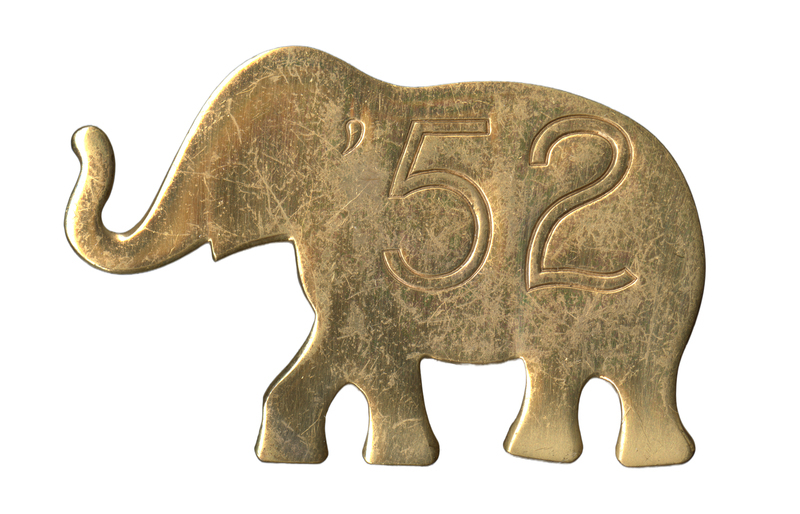
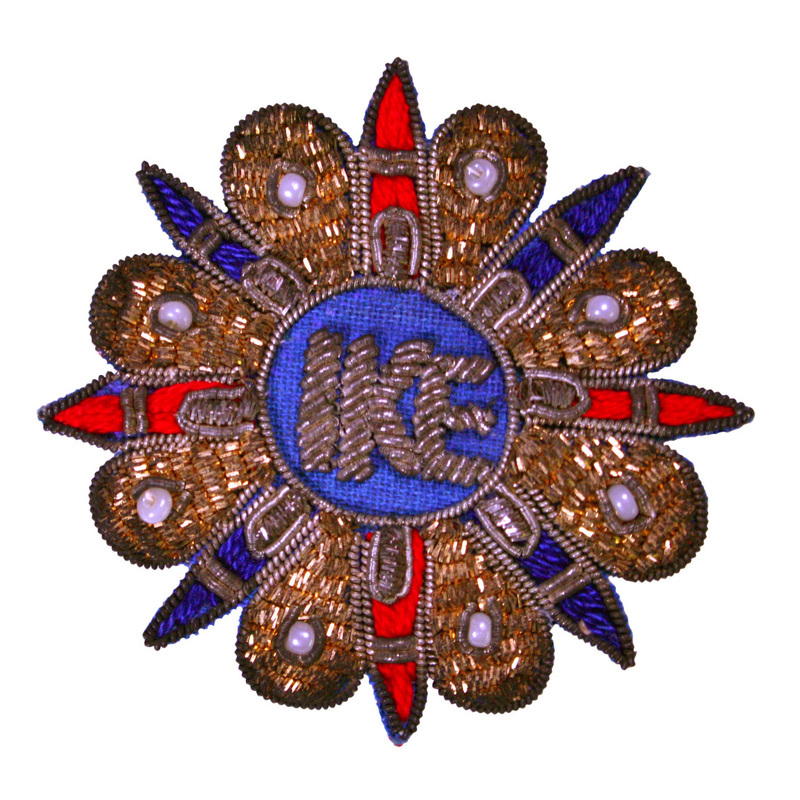
Overhead photographs of the sheets on which the buttons are mounted also provide an idea of the great variety of button sizes and shapes represented in this collection:

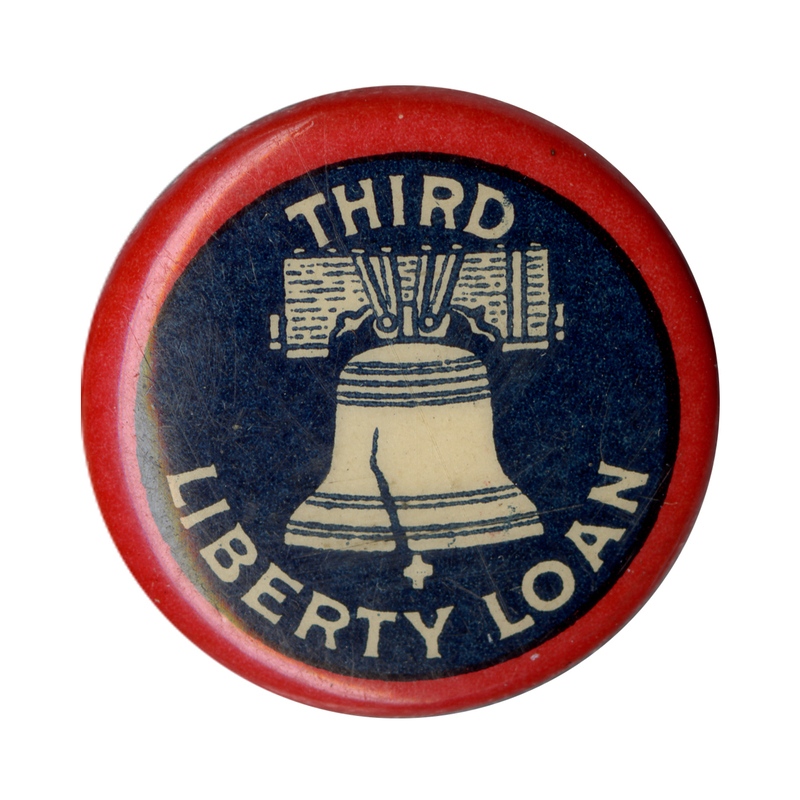
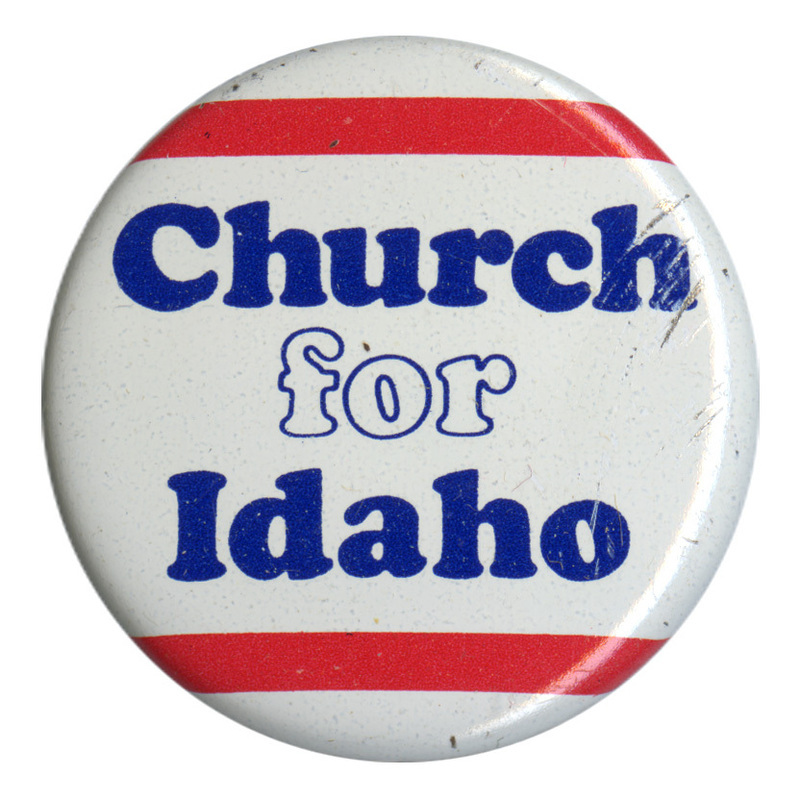
Political buttons have been used to comment on various topics. The use of slogans on buttons began with the 1896 election (“I will vote for sound money”) and has continued to the present. The slogans can range from focusing on specific topics (“Third Liberty Loan”) to specific candidates (“Church for Idaho”).
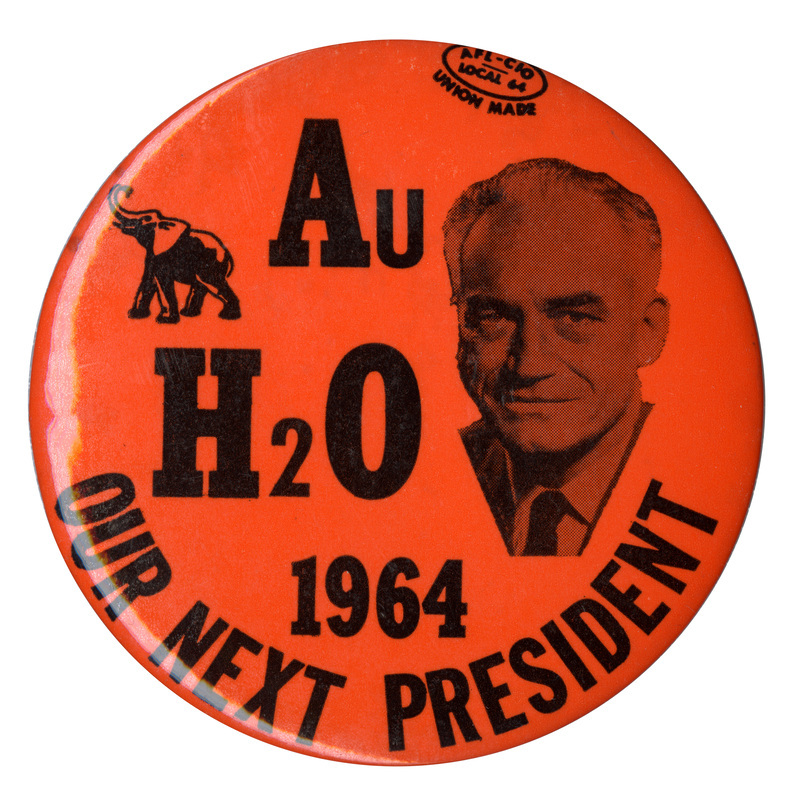
Word play is another common theme among this collection of buttons. Candidates often made plays on their names and used symbols to represent part of their name. One of Barry Goldwater’s 1964 buttons, for example, features the chemical symbol for gold (Au) along with the chemical formula for water (H2O).
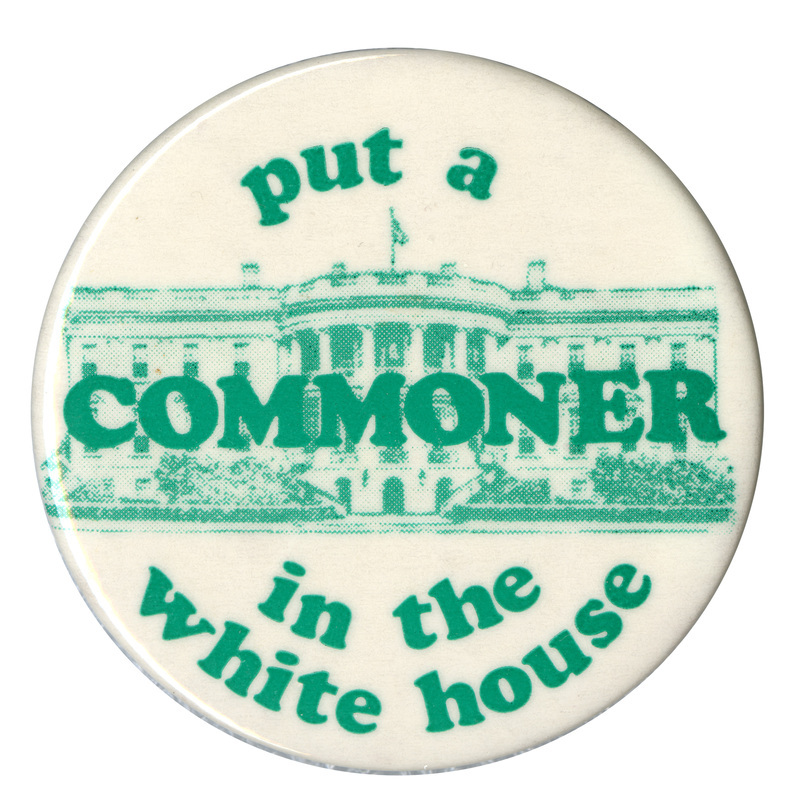
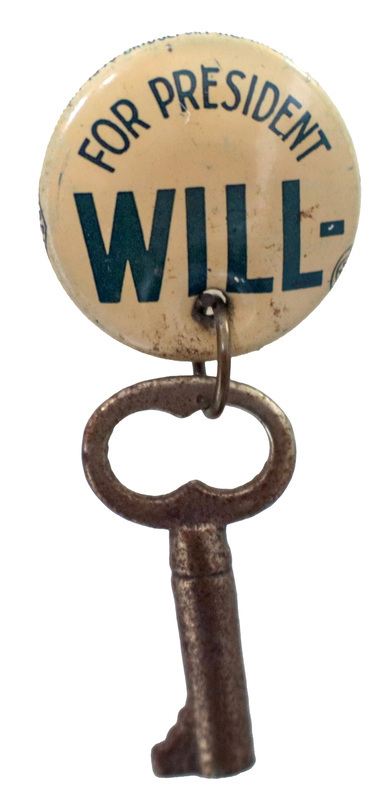
Citizens Party candidate Barry Commoner in 1980 used the phrase “Put a Commoner in the White House” as a play on his name. Others used images with a phrase as part of their campaign. A button from the 1940 election has a round button with “For President Will-“ displayed and a key dangling below, a play on the name of Republican Party nominee Wendell Willkie.
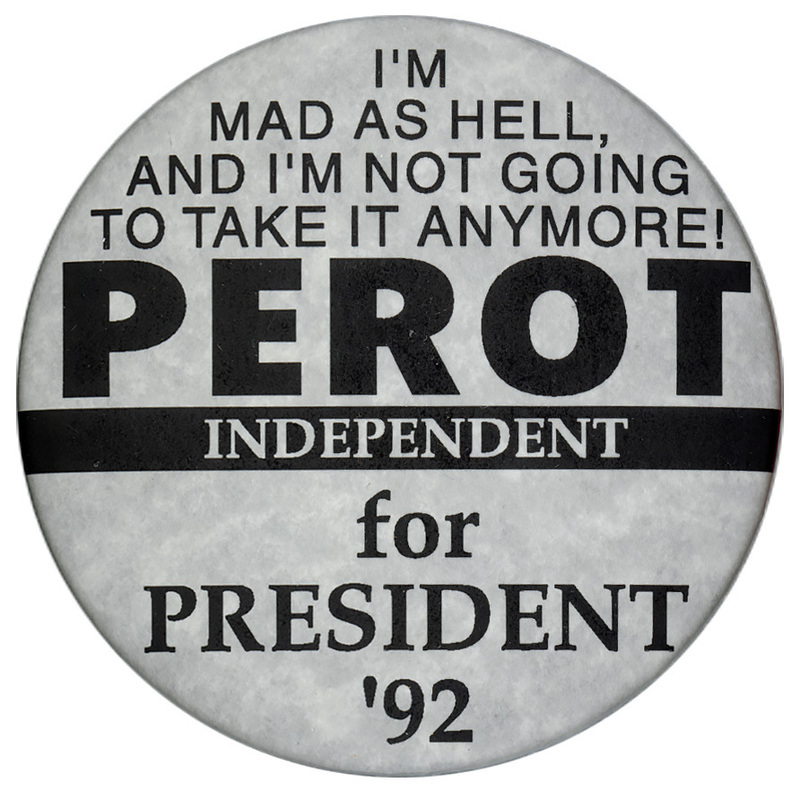
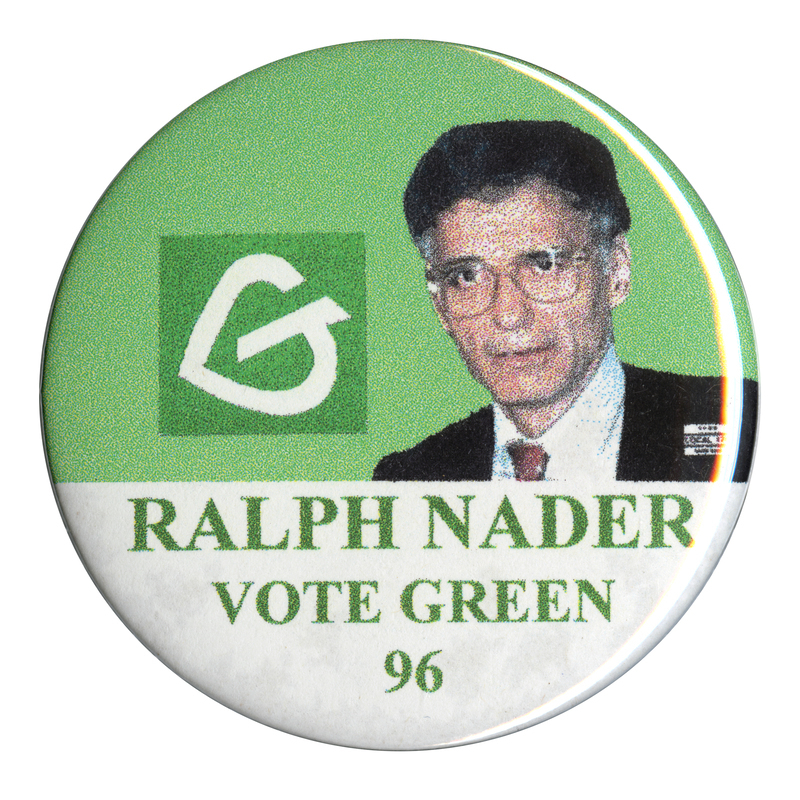
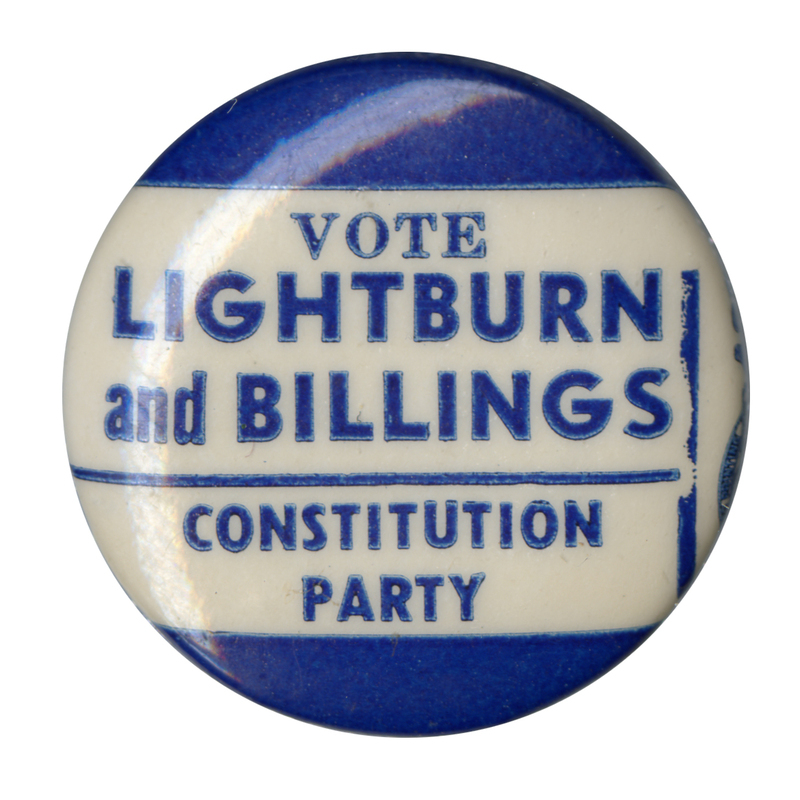
These campaign buttons also feature more than just the two dominant American political parties of the twentieth century, as numerous third-party candidates make appearances throughout. Ross Perot (Reform Party/Independent), Ralph Nader (Green Party), Joseph Lightburn (Constitution), and many others are represented.
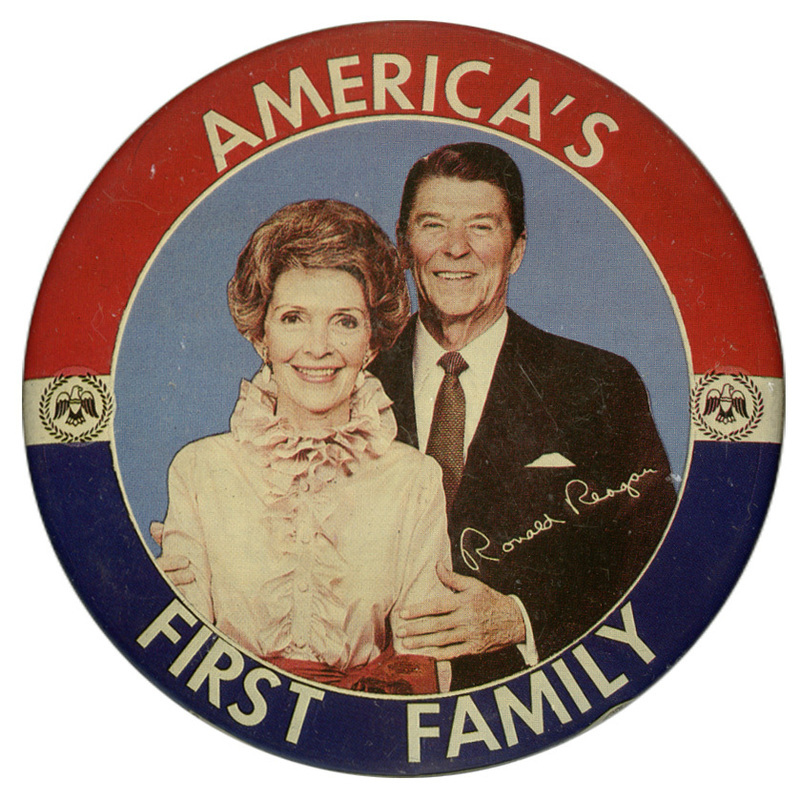
The families of candidates were occasionally included on buttons. First Ladies such as Nancy Reagan, Pat Nixon, Eleanor Roosevelt, and Barbara Bush can be found in the U of I collection. In a few more recent buttons, the First Family is featured on the button, such as a button from 2000 with a photograph of George H. W., Barbara (the elder), George W., Laura, Barbara (the younger), and Jenna Bush.

These are just a few of the elements and themes represented in this collection. Consider what other connections exist as you explore this digital collection of over 100 years of American history.
Sources:
-
Trail to the Voting Booth: An Exploration of Political Ephemera. University of Delaware. https://exhibitions.lib.udel.edu/trail-to-the-voting-booth/on-the-trail/campaign-buttons/. Archived: https://perma.cc/5CP2-GYTG ↩
-
Whitehead & Hoag Company History. Ted Hake. https://www.tedhake.com/viewuserdefinedpage.aspx?pn=whco. Archived:https://perma.cc/P9Y9-G3XR ↩
Technical Credits - CollectionBuilder
This digital collection is built with CollectionBuilder, an open source framework for creating digital collection and exhibit websites that is developed by faculty librarians at the University of Idaho Library following the Lib-Static methodology.
Using the CollectionBuilder-CSV template and the static website generator Jekyll, this project creates an engaging interface to explore driven by metadata.