
Ernest Anderson Interview #1, 6/5/1974
Description: Hard times in Sweden and Duluth. Play and fights as a boy. Getting started as a farmer. Canyon logging; horse team hauling. Joe Wells. Father's craftsmanship. 6-5-74 1.5 hr
Date: 1974-06-05 Location: Burnt Ridge; Troy
Subjects: African-Americans; businesses; butchering; families; farming; immigrants; knitting; logging; lumber; schools; winter; world wars
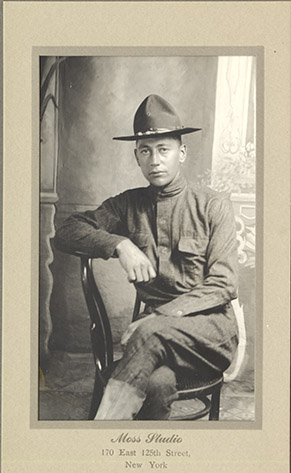
Sam Schrager: Okay.
Ernest Anderson: So now you.
Sam Schrager: From the beginning.
Ernest Anderson: In the beginning, I am speaking about the parents. My parents from Sweden, John Henry Andersson. And oddly, Lena Jansson came to America approximately 1888. I have to say here that my father and his brother came perhaps earlier. Then my mother came and her sister and another lady came later on. And they came to America. As far as I know.
They were all in Ashtabula for approximately two years. There they stayed and they worked hard. And later on. And it was around 1890. Then there was an opportunity for my father's parents to come to America. Their father had gone earlier. I don't know how much earlier today I lose Minnesota and was working there on the coal docks, loading ships on Lake Superior.
And during that time, then they came in 1890. The family came over and landed in Duluth, Minnesota. But it does seem to me that my my father must not have been in Duluth when they came. But my mother could have been because later on my father moved, went to Duluth, and there is where he met his wife that he married my mother.
My father's family consisted of four girls and four boys in the year of 1892. My father and mother went back to Sweden to get married because my mother had promised her mother that if she got married she would come home and be married at home in Sweden, and which they did. But in 1895 they returned to America and went to Duluth, Minnesota, and there they lived for the kill for a long time anyway.
I know. But times were hard while they were there. Many times they couldn't find work. He worked a lot of times, a lot of time in the winter in the woods. And other times he got on to the dock, loading coal by hand. In the year 19 three months, backtracked a little bit. It was a terrible year over the entire United States.
That was when they had lost all their crops over the whole country. Such terrific rainy rain is found, rain continuously and destroyed in winter time and frozen. But you couldn't chop it up. So the entire Pacific Northwest suffered as well as the entire nation, particularly as populated that time. I don't know. So it during that time, my folks living in Duluth, there was a child that was born and she was three years old when she died.
And she died in Duluth, Minnesota.
But in the spring, in March of 1898, my sister was born in, I think the 28 day March, and she had written her sister that lived here in Moscow, and she was married to a man named Albin Johnson, and they lived in the Blaine Country, south east of Moscow, Idaho. And I think it was about nine miles to the place from Moscow.
And there they stayed that whole summer in 1898 and worked for a farmer. And before he I think he we worked with him there till in late fall and early winter after snow came, he got a chance to ride with somebody into Nora, Idaho. And there he found a job with a man by the name of John Lindemann to sell love for the sawmill in about 2 to 3 weeks.
There was word that the sawmill was going to start the work and they needed a soft filer. So my father was capable of filing saws and he was good at it.
So he got to was had a job there, but they didn't have anyone that would cook for them for the mill grew because none of them was married, excepting my father. They were all immigrants from Sweden. And during that time it was a problem to get someone. So Dad thought maybe my his wife, my mother would come and cook.
So he sent word with the neighbor and he asked her and he said if he wants to come to come with him next time he comes over and which she did, They bought themself a little house and three acres of land that sat on top of the hill. And today there is nothing there excepting a few trees. But he sold the property to a fellow by the name of Otto Lindemann, a brother to John Lindemann.
And there were before we moved Detroit. And I'm a little bit ahead of myself right now because during between 1918 98 and 1905, I was born and my brother was born on the place there at Nora before coming to try before coming to try. There were a lot of little incidents that took place. And one I want to mention when I was about three, my sister was four years older and we went to look at the squirrel traps and there was a little chipmunk in the draft and he was already dead, so we felt sorry for it.
So he opened the trap, let him out and he was dead. So we tried to reset the trap. In so doing, my sister got her thumb in the trap instead of setting it. So I pulled up this stake and I carried it. And we went home to Mama crying that just one of the incidents that we had there in 19 five, there in the summer, spring and summer.
Then the dry lumber company was born in Troy, Idaho. These Swedes at the mail there organized and went to try and build what they called a dry lumber company where they blamed lumber and made us cabinets, cables and what they needed, even caskets at Dry Idaho for many, many years. My father was a stockholder of it in September 1905.
We moved to dry, and I remember that day very as it happened today, a man by the name of Pete Swanson moved the store dry. My father had three cows, so we tied one cow to one side of the wagon and one to the other. And I had to come behind and keep in the third cow coming along.
And it was very hot and very dusty. When we appeared to Spring Valley on top of the hill, there was some people by the name of John Nielsen and they were very close friends to my folks. They knew that we were moving that day and she came out with lemonade to us. And I remember that as it happens today, I was so warm and so hot and played out too that I got to ride on the wagon from there into town.
As the years went by, we spent from 19 five and we lived in Drive for 17 years. But during this time things happen from 1905 till about 1911, there were a lot of things taken to take account of, and that was when we had moved into dry. For one thing, and the next thing during the summer we would spend our vacation at my mother's sister's place there.
My Auntie Anarcho, which lived in Blaine and mother, would go and solve for her sister and we would stay there about from three weeks to a month. Now we come back home. By that time we were able to go to school. I spent the first year in the tri public school that was built that in 1908. That was the first part of the tribe public school, which in later years had been added on to.
And there is a gymnasium there too. Now. And now that school is a big school and a big high school and a big gymnasium. But now in 1911, there was four feet of snow in the ground. On the ground. And my mother had to have an operation and she was taken to a great man hospital in Moscow. And she died January 26th and was buried January 29th and 29th, had done my father's birthday.
We had a considerable time in our home being left without a mother, but we did get a woman that had a girl and her husband had passed away from Lionel, and I had three brothers that went and she came and she got a job taking care of us for about six months. And Dad wanted to keep her longer, but she then couldn't stay any longer.
But there was other things that she had to do. Well, there were many things to tell about. I would like to mention a little bit about the problems in school going to school, and that wasn't easy to learn English when you knew nothing but a sweet Swedish and there were many problems that would occur and rise in school because of the fact that you had to to learn that we finally managed to get there.
It wasn't too hard to pick up in everyday language, but becoming quite common yet practically. I would think that maybe Troy was better than half Swedish, or maybe two thirds Swedish people or speaking people, whether they spoke it or not. In 1917, I graduated from school eighth grade. In the eighth grade, in the latter part of May in 1917.
And I don't forget the that year because of the fact of 1917, I think it was the 17th there April, the First World War began, and Woodrow Wilson was voted in the year before, and he had promised that we would not have to go to Europe to fight a war. And we were pretty unhappy when war was declared.
And we were very scared. We during that summer we spent summer out there with my uncle. At that time, I was 15 years old and my younger sister and older sister, my older sister that year went to Duluth, Minnesota to spend the summer and when she came back in the fall and school started to take care of the other two, and my brother and my younger sister.
But my stay that summer in with my uncle on the farm, which I loved very much, and I was wild about horses, that my decision was made in the early days of my life. When I was in the second grade that I wanted to be a horseman and work on a farm. These were wonderful years for me, but as far as making money was concerned, I work for a woman boy.
Like any Iron Man got paid, but I worked with my room and board. That's what it ended up to be. So in the fall of 1919, my father had been a carpenter all these years, and the doctor told him he'd better get out of the shop because he used to run the standard motor that it was injuring his health.
So he bought a farm providing I would come home and operate the farm for at least a couple of years alone till you get there. And my brother and sister out of school. And so I then then my older sister and I stayed on the farm alone and I did the farming alone, which I enjoyed very much. We bought this farm I'd done right out of dry, but two, three, two mile to my never dry on top of the hill on Burt Ridge in that same year in October, I met my wife Helen, and a wife to be, I should say.
Helen had a shivery party that was held for Clarence Johnson. They were married on October the eight. We had many good years and before we were married and happy years because the burning school in our district was the center of attraction. All through the school year, we would have literary programs once every two weeks. The old people would come and as well at the young people, and we didn't have other places to go other than to go from one schoolhouse to another.
The town school in between those two weeks, and they would have basket socials and maybe school programs and things like that. And we enjoyed it very much. Now I'm getting down to where I've been here, living here in 1923, we got married, my wife and I, he was Helen Calvert and I married a standard and we started farming just below the fence here where we live now, which is my wife's home place.
And we were there five years. The next five years or six or eight years, we spent down on Bristol Ridge, where our children started school. And from that time on, why we had the depression here, Now this is all comes. I don't ever put this in down at all. And you know, but I can tell you pretty, pretty clear unless you have any questions to ask now do you?
Sam Schrager: Well, I think I would like to go back.
Ernest Anderson: Yeah.
Sam Schrager: Maybe we can deal with the Depression years later.
Ernest Anderson: Yeah. Okay. Okay. Okay.
Sam Schrager: one thing I'd like you to elaborate on a little bit. Going back to the beginning would be what you heard or learned about what the living situation was like in Sweden before your parents decided to come over here.
Ernest Anderson: Well, the word I got from my uncle in Duluth, Minnesota, he told the story like this that I'm going to tell to you now that it was a terrible depression and a starvation in Sweden for several years. People were starving to death. So there was an urge to get out to get somewhere. And this they had to do as quick as they could do it.
But my Uncle Charlie, father's youngest brother, said it had to be the two older ones that had to go and try to locate someplace where they could get over here, too. And which was accomplished because then it brother came in 1888 and the folks were brought over in 1890, and it was pretty rough even back in those days in Duluth, Minnesota.
Uncle Charlie tells me that he got one meal a day from delivering for delivering groceries from a man's grocery store. He got one meal a day. Now, this going to be an interesting story to tell because he worked for one meal a day and how he got the other meal. I don't know the other two meal. But nevertheless, he says it was a trying time.
Later on, as business grew for the man he grocer man, he worked for the he had to get a horse and some menial grocery in on some kind of a like a grocery wagon. We used to call him. And as time went on, I think he worked there for a number of years and then he was earning money by that time.
So then he can buy his own meals and their family. Each one of them had to work and pool their money and they ate with what they got. But buy for what money they may all made together. When he says he got a surprise one day, how many years he had worked with this man as a delivery boy, I don't know.
But he said that this man says now he says that you have worked for me. So long and so faithful and you got so little pay in a long time. You only got one meal. So then he says, Charlie, he says, I'm giving you half of my business. You're going to be my partner. And when you have been here ten years, I don't expect to live any longer in that time.
You can buy the other half from me. And he thought you could understand is that he was so generous. Well, he said, you have earned all that. So now eight years you have paid for it? No, in dollars and cents. But with your labor and your trustworthiness that you are good by and your good, going to be a good man to have in a business.
And that's how he got it. Just by that. And he stayed with the grocery business till, 1945, I think. And he had a meat. It added in later years in the earlier part of life in their meat shop. So he took in his brother Axel, and they made this fabulous potato sausage that the Swedes liked so well.
And they got to where they were making 1500 pounds a month. That's quite a bit. And I said, How did you learn how to buy what good meat? He says, Well, it start with We got it from Chicago, all that meat from Chicago. And he says, later on we started to buy our best potatoes we could get was from Idaho.
And I said, How much did you buy at a time? We buy by the carload from Idaho and potatoes, a car load of potatoes, and we start him here. And he said that the best we could get in America at that time was to get Idaho potatoes. I thought that was quite something, you know, to get my own state.
So he liked my own state. When I first time I went to see him, you know, was in 1954. He had never met me. And he found out that I knew so much about butchering that every day I'd kill him, Uncle Charlie, he'd I said, What do you have to pay for this sirloin or whatever the meat cut where it came from, I'd tell him.
So one day he says, What do you know about meat? Well, I said, I have butchered in a lot of them myself, the hogs or anything that to be butchered like a butcher. I said I could, but your veal. And he said, had I known about you? Well, I said, Why didn't you write to my father, your brother?
I said, He never got an end. Never. Did he get a word from you? You never wrote a letter? Well, he did never letter writer Never in any place. And he never left Duluth, Minnesota. He was buried there in back to 1971, 71. I think he died. He was 93 years old. And that running out yet and he did Is it running now It yeah well he at the time he my dad was in Duluth like I mentioned before, there were a lot of hard, hard time, too hard to get a job and pay was small.
Here's one incident that happened that the rope that they the hoist, they used the rope how they pulled and loaded a box. And then it was hoisted up and brought into the ship and dumped, you know, how they unloaded into them boxes? I don't really know. But that's the idea. I got from him talking about it. And then the rope broke and that meant no work.
So he said to the man, he said, You don't have to quit because the rope broke. Well, this just I can't afford to buy another one. So that that you don't have to do you got plenty rope and we can splice. Well he said nobody can splice that big a rope. yes. You said it'll take me a while, but he said I can splice it in.
He said no. He said, I don't think you can do it. But anyway he went home and a few days later, Dad just never go. He got let me splice that rope and we got to go back to work. So he called him down there and he said, I'll wait for you and let me prove to you that I can fly.
Well, he said, you can never split it, so go through the same pulley. Sure. He says, it won't be any bigger. But how can you do that? Well, it's just. That's what I have to show you. So he took thing. He says, Well, he says it can't do anything this way. We'll have to try something. So he let him do it.
It took him quite some time. There were so many strings that had to be tied, unraveled, then rattled back this way. And you have to bring it all even when you get through. And they go further and further and further out, they you starting begin to age and go out. And that's the way they did it. And I seen my father do this very same thing, but I never could understand it.
But he placed the rope and they went back to work and he never was out of a job that long as there was work, they realized that he had the ability and the know how to do things. And my father, I must say, only had one month school and all they learned there was not history and and all this others dealt with these today.
But it was to read, write and write and arithmetic and spelling, things like that. And that's all he needed. And he was very, very capable. A good electrician. He was a good mechanic. He was a good builder. And when mother had passed away, he sold no clothes, made our clothes. He made all our stockings, which were long stockings at that time.
You didn't buy and made they made him, bought the yarn, put it in a roll and and he had a little machine which he bought when he was sick. Or was it given to him? I don't recall an IED, but it was give it to him. But some people from some people that they met, Najibullah, they were selling out and buy that little ring.
And he got he made lots of stockings during the lifetime of us kids. I wore those long stockings when I was up to 1917. I know. And of course, we had Knickerbocker pants that time. And overall, of course, they were long, but there was many things like that you didn't buy out of a dry goods store. At least we didn't here in Troy, Idaho, where they did other places.
I don't know. I wish they had. If you got anything else, do you own it?
Sam Schrager: Well, yeah. I've got everything you say. Makes me think of more things. One thing I'm curious about is do you know any more about. About the connection between how it was that the people Ashtabula came, came to this area, and. And and your father was also in Ashtabula. Came here, too?
Ernest Anderson: Well, I don't know about people going from Ashtabula, but an awful lot of Swedes stopped there coming west. They had acquaintances there. My folks didn't have know anyone there, but my father worked there in a boiler shop set in hot rivets and my Uncle Charlie, Uncle and Uncle Jack Jack, they call him Uncle Jacob. Jacob was his name.
They call him Jack. What he did, I don't know. I never did hear that. That was not a funny in a way. When I had most of my history, I got out of Uncle Charlie in Duluth, Minnesota, because and from the old people, other people that came from different parts of Sweden had pretty much the same story. It was it was just do things mostly and was to have the freedom to worship and starvation to get out and an opportunity to make something out of yourself, you know, So they could get out and set up for themselves under that type of government.
They didn't like the church was the Lutheran church, and that was a state church, and that was completely it right there. I mean, as far as the church was concerned, and it was run by the government, which the people felt was the right thing, that they had no part in it, although they were taxed to the state for so much and that they had started back many, many years.
And in that so doing paying it something like Social Security here, but lot different in Social Security in some ways. And we tried here, you know, to get somewhat near close to doing something like it. But out of every dollar they made, they had to pay so much. They use crowns and ers and things like that that the way they handled our money.
But they had to pay that. And over the period of time they went into the government. So now I don't know how much how it was way back there, but I know now what it didn't have done for years that the tax you paid to the government from your Labor and you got a month's vacation with 80% of your pay and if you were sick, they paid the doctor bill, the hospital bill, and paid you to raise the children.
You get so many crowns. Killer up to 18 years old, I guess. So the more children you had, the more money, more help. You got to raise them. That still is today. So you see then I don't know how they did it. I never heard Uncle Charlie talk about it. So most of the men organized it, done something about later down because apparently the government was too too poor to form such a program.
I would like to get that history to find that out. When that really started, I couldn't get a hold of everything when I was in Sweden. That's another thing that I should like can really learn next time we talk. Well, you know, talk about the.
Sam Schrager: Earlier and more recent times. Yeah. When you lived at Nora and you were just a little boy, you said there that there were there were a number of incidents that you remember, and then you told that one. Yeah. What are some of the others? That things that happened when you're just a little kid there?
Ernest Anderson: Well, the only only one thing that I can remember the most, there was two little things that we did, Mother. One day I went down to the Norris door and Clarence was pretty small, my brother. And, you know, he was carrying him. We trying to carry him now. We went down dust and she started coming. And it's about a half a mile down the road there.
And she saw it coming and was I've done everything to delay it. Burning up in that dust, you know, was hard on your feet that you can read and remember, just like putting it in, not saying in God if to go back. And he was very, very unhappy. Another time I remember I don't know how I got there, but it must do.
Went with the mother to the store and down by the mill, up on the bank and the logs piled, you know, and then roll them out into the pond below. And I was up on the those that log pile running around and I could see my father Yet today you in that door back there where they they pull the log into the to be saw them and he heard my father because I heard him and he told me to get off of there and get engaged a log file should roll but they didn't do silent.
Many had logs, ran over them just because such incidents. I found out later years in right on Burt Ridge here they were logging in the canyons and they'd bring them to the edge of the hill and canyon and let them roll to the railroad track and farther to Alford's and down. Didn't see the log coming quick enough to get out of his road.
So I thought it would get hoping he'd get it on a rebound, go over him. But it didn't. And it killed him. He got flown like this. You see him gone and he's hopeful that he could duck under the river, but he didn't make it.
Sam Schrager: Was that was the road well, well laid out and all there. Although no road. I mean, it just it just go down and he just.
Ernest Anderson: Let them loose. Let them loose and then they had side tracked down by the railroad tracks, logged them on their how they lowered to my right now I think pretty much of it was done by hand horses but I block and tackle and pull it up with horses, load on to anything.
Sam Schrager: I think when you were a little kid there and Nora, were there other families around there was.
Ernest Anderson: That I didn't know too much about too young, but I was thickly settled at that time. Quite a few people in there. There's another there's here right across from Eustace now and Dwight Pearson. He is just a little older and I bet he lived. He's lived there all his life and he's and you might.
Sam Schrager: Well I'll.
Ernest Anderson: Speak to, you know, if amused that there's a road that goes on up in the other. He's not too well right at the present but he doesn't do anything. And I think he could remember a lot of things that you might get something that pretty much interesting from that area.
Sam Schrager: When you you mentioned before when I was here about seeing the horses, when you lived in north, that's when you started getting interested in horses?
Ernest Anderson: Not no, it was in Troy after we moved to town.
Sam Schrager: Would you tell me about that? About. About how you started getting interested.
Ernest Anderson: Well, the way we got interested in with horses was in trying. They drove sleighs all winter long, and it was in the winter time when they would hold a lot of lumber from the white pine mill, you know, where white pioneers and I learned to know every driver and every team as it came. It come in from the North end or the south then and all around from all directions into dry with either cordwood or ties or fence posts and things like that.
And lots of lumber was hauled in and that lumber is compiled there with a dry lumber company. Use what? We're at the dry lumber company at that time, and now it's a cedar yard, if you know. And I don't remember when the dry lumber company ceased cleaning lumber. I don't but they joined lumber company still exists its name there is lumber yard now in my school and there's one in Lewiston and that's all that's left of it.
But the old building that my father helped to build and where he worked is still there. And that's where they do all their work with their cedar in their sheds. And that was pulled by a big steam. But these horses was fascinating. They had these bell dynamo time, hand nails, boat overnight, cleaning me all kinds of tones, and you'd hear them.
Now we'd hook behind them with our little bobsled and ride out the top of the hill out in the country. And now it goes back home to see danger that could be that. We didn't get to go to that the latter part of the day. You know, most of them were out of town by that time, but they'd start by daylight in the morning coming in.
Some had gone home. And the night before, in the winter of 1912, then we had six foot of snow. Believe it or not, horses went right on top, sleigh and all road right on top of that six feet of snow. It was that solid. It would hold them, but it was awfully cold. It was 25 to 35 below about every night.
And I didn't know the degrees then. But those I know that lived that time, they tell me the story, what how cold it really was. I don't think I ever thought about reading it. The manager that my younger age in fact, I didn't that I can remember that my father had a big one on the back porch that I never did get recall reading it, but I know it was cold.
Sam Schrager: Did you tell me that that there was a you could see big differences in the teams between the teams?
Ernest Anderson: yes. yeah. You could tell about like this. You know, somebody have a big team and well-groomed and well cared for. Yet you would see teams with one little horse and then Big Moon, that's all They had a horse in IMU who I, I don't know how it divided that but we seen that quite a bit. But I suppose they only had one horse and one mule or they lost either made to it and got a mule.
Somehow they got him. I don't know. But there were a lot of that changed. There was a much difference in Teamsters and their equipment and I used to make sleighs, bobsled exactly the way I saw those sled by wood out of my own own making. I worked on them at it and I did home and I got my little scrap lumber down the mill you always had into caraway in throw away and burning up by the way Goodin steam engine to do the do the pulling in the mail and you know everything run below the belt and all the machinery planer and all that was in one room great big.
Sam Schrager: How would you make the how would you make them a little bobsled. So you were.
Ernest Anderson: Making my own hand was out of wood. Made them exactly me nail them together and glued some of the act together and and it all my own ideas that never told me a thing about that thing. I made my he made wooden horses, side motor blocks and a pretty good size and we'd make barns corrals of our own.
And I made them so they looked like a regular barn, the whole inside, you know, the solid ground. So I always said I was going to have a driveway. I buying the driveway through it, and which I have now too. And I wanted to so you could drive through. And then I wanted to take it, throw the hay down from up above and feed on both sides.
We had stock on both sides. We could have cows on one side or some. It was year we had a basement, so the cattle was always kept in the basement on the till I came here. Grandpa used to have the horse barn full of horses, but I moved the cows up with the horses so I didn't have that many.
I put them, said the cows, up in one floor and then the other cattle stock and could run loose in and out if they wanted to fit in the basement. There's quite a change you got to learn to know. But I never learned to knock out like I should, nor I hated him because in my time there was so many cows, it jumped the fence and they'd jump over and get in field jumping cows and never seemed like.
And then we have to run in and get them out. Well, more changed them out and built four wire fence tie and we had one cow, I think she could go with him on. She was such a good jumper. He tied her head down to her foot so she could just have a little enough room to see how sideways and she learned to eat.
That way he could go up to the fence and she dried up. And over and over time he learned where they had horns in the ground. But you made it quite a while.
Sam Schrager: You want to jump.
Ernest Anderson: Get in there with something good to eat in grain field. Headway in their pasture enough all time. You know, they dry up, you see, if they get in a wheat field or someplace they're doing founder that makes it bad.
Sam Schrager: Well, what about the the tough stuff that went on and through with your kid? You're telling me a little about the fights and stuff. I'm like.
Ernest Anderson: Well, I didn't see it myself. My saloons were put out in my time. I think down there pretty well. But the stories I heard before we seen there was a horse with a two wheeled cart and there were seven men walking behind. One held on to the two wheel cart and a horse bone erected and hang on to one shoulder and any other go just like that up the hill.
Seven men or row, and that little horse had to pull them off. But Al, they were walking drunk or never. I was scared to death. And I saw that and they were singing some old sweet songs they had near all Scandinavian, but they went home and the horse was just pat and just foremen, you know, for a bomb and give them whatever made that horse and been able to pull away where they got on a lot of sides.
We'd see one every once in a while and somebody get drunk laying over in in the woods someplace. And we were playing sleep at all. We saw that, but it was never allowed down time and bet as far as that early day shooting that you hear in some of these other storybooks, I never heard anything about only after we got older, but we were all three on top of the hill there.
I don't know. It's a whole slew of sweet everybody was we up on the hill. But now the place is enlarged to what.
Sam Schrager: You mentioned about you as a boy. Getting in fights with other boys or other boys come around and bother you.
Ernest Anderson: yeah. Well, they would. There was a few kid like to make it hard for us, you know, because we didn't have any mother at home and nobody to stop anything or even help us, you know. And that's where I learned to fight. And I really thought I heard that. But they were mean. They would take my brother's clothes and camp or dump it in a mud bottle or something like that, you know, all we had no time.
But later on where we started getting a little better sympathy from other people and start taking care of things a little better. But that was one one of the things that kept me from going back to school. So one of the things I wouldn't go back to school and if my next four years going to be as bad as my first date, I didn't want nothing to do it because I didn't I didn't want this kind of problems, you know, But I was old enough so I could handle myself.
Sam Schrager: And if would you tell me that time when you when that kid was buying you and me and you? I thought that sort of fixed it when you told me about.
Ernest Anderson: Well, when I made that bullwhip. Yeah, well, I mean, there are no shoelaces, leather, shoe laces. Dad never knew it, and I fixed it and tacked it to a good stick. You know, you see him, those blips in the catalog? Same. So I made it according only I couldn't make a revolving channel, but that didn't matter. And then I made a little piece around real the hole through the and put it up to rope around so I could get my hand in and get a grip so he couldn't pull away from me.
It would hold on to my rest of my hand. My wrist is so I had good contact. I think I had one about three feet long, but I really slashed him. He didn't bother too much. If he thought we were out this on wood, he didn't bother us. But my father guy came one Saturday. Same guy. And he got so scared.
Then he was a kid from the country, but maybe a mile, mile and a half out of town. North. And he was all he had no reason. I mean, you know, they just want to be aggravating a lot.
Sam Schrager: The deal wasn't that he or a couple kids would come round and you were trying to work. Yeah.
Ernest Anderson: When we signed, what we had is our code, whatever. And I had to get three blocks of every day. One cartridge take, you get cut in two places, and we had 7 to 8 code to it. So up every winter during the time we were home, this is summertime. We spent the vacation month at my uncle's on the farm.
But there again, you know, we we enjoyed it on the farm, the country get it. And I play with that. We played ball to beat the man. That's one thing we played lot dry the kids on the hill. We played a lot of baseball all the time. We played catch all winter long. I never seen basketball the last year.
I went to school in eighth grade. So you see, it didn't get into dry too quick.
Sam Schrager: Yeah, my children playing ball there in the winter.
Ernest Anderson: No you play catch, you know, that's all. And try not to get the ball wet. But we did more coasting skating than anything else, you know, the whole creek was dammed very up to the main highway and we had a good yard too, where the where they got the feeder mill there and the shed there was dammed all the way back up there to the main road because they used that water to run for the steam engine there.
They had a big engine steam. It was just a built one with a big boiler and no wheels on it or anything like that. But in those days, the dry creek never dried the water clear. You could fish clerical in August. That something that's really not heard about or known about much. But we used to fish it. But it wasn't much good in the fall though.
You'd find a few pools, but there were a lot of springs up in NE, but the whole area north was full of timber. But you get so much snow and it seemed owned. It was fed by a lot of springs. They say those springs are not, not, not, not there anymore. I don't know. I never hear about it anymore.
Sam Schrager: The creek sure doesn't have the water anymore.
Ernest Anderson: I'd go dry it. Burn or dry now. I think in it. I think so, yeah. That in about done.
Sam Schrager: You're saying that they had 15 $20 they live like with pretty good in the winter you. Yeah. They had 15.
Ernest Anderson: Well and see the in the meantime they got food was hard to get a hold of but they soon had pick somebody ten cow or something to butcher know and that's how they they learned to put up food meat and potatoes and gravy and bread and butter that just about it I lived on that an awful lot till in later years when dry here was established then, you know, then and they got in an awful lot of fish in all of time.
Big barrels stuff of fish make salt, herring and boy, they eat salty, salty, salty codfish and all that stuff, you know. But it was great.
Sam Schrager: Well, in the early years, though, you think that the sawmills were like the old Polson place.
Ernest Anderson: Was very well and I never seen an operation. It was still in operation and when I was old enough to see it, but I never got that direction out of town.
Sam Schrager: But to just pay them off and lumber, that seems like not much for the kind of work that.
Ernest Anderson: Well, he owned the land and he, he sold, you know, people from Genesee Country came in here and bought all the lumber for their buying no houses because there was no trees in that area where they could have a some area, lots and lots of load in the summertime for horses, for boats. A lumber went to Genesee and I suppose maybe to Moscow too but I know from the Genesee people said they all an awful lot of lumber from then the Oak Hill sawmill built all the building so I guess there was something to it.
But they do then go up there in the early spring, you know, when they were to spring work or that was more open country down that area. Of course on the Rimrock south west of Genesee, there, I don't think there's anything but just to break up like buffalo grass and maybe there's some real fertile land though still is today around here.
Sam Schrager: And then they busted up the land planted, did most of the timber just get burned or did much of it get down to the saw.
Ernest Anderson: It went to then go to the sawmill. I don't know how much went to so I doubt very much here. Yeah. Mostly cordwood and lot of it was made into ties they but they were made you know and never treated that time around. We bought lots and lots of ties. Huge, huge by hand.
Sam Schrager: By the people up here. Yeah.
Ernest Anderson: Not here near it much but in the area of Dry North, I don't know if they brought in any of that stuff here Don. I never heard. I know all I know about grandpa by some of these other folks that day all the way to town, but up on this red button and didn't have much, even much too much brush because they had a big fire and go through here and nothing was standing hardly other than just big trees.
You know, they looked terrible, big trees out of the canyon. You know, years ago. That was a thing never thought of. How are you going to get that timber out? Never will take it out. That was up until it just the last 20 years ago till they got the dosage. And but what machinery could do? They could get anywhere they wanted to, you know.
Sam Schrager: You mean they hadn't log in and can you.
Ernest Anderson: Know that's the best the best timber was left pine and great big fir. I had lovely fir here I that I sold and what 57 sold it for six and $8. 1002 and that was virgin timber and they were so long all there was and it just a little top no limbs. That's the way you seen it in the old country and all.
They start dreaming about the shoot up. Just leave a little Christmas tree on top of it.
Sam Schrager: Is that why they call this burn Ranch? Because it had been burned?
Ernest Anderson: Yeah, well, it included the north end of American Ridge, but there was too much trouble. New comers finding it was going to go to Ridge. They had a big area to call, get in energy and they tired explained to them it been burned over in that area you find is somewhere as you strike somebody that notices because everybody knew where each one was, they had to be where where they all were.
And some of them got lost and went back and never did come back. I mean, come back to that place there was a elderly woman that died here and try that walk between Moscow and try for many, many times foot. And there used to be a spring there by the divide where you go over the divide, Damascus, you know, where the divide is.
And she was telling about that. Right where the road goes now is where the trail came because the railroad had come through there. So she remembers all that, Mary, But she died here about 15 years ago. But she was full of that. from the woman side of things, she could really give your history.
Sam Schrager: What was her name?
Ernest Anderson: I can't remember her last name. They called her Big Lena. Her name was Lena, and there was an Lena Olsen, which is now up in near Paradise. The other and don't know. She had been able to talk to anybody or anything. She sits there, she's right at 200 mark that and did anybody for quite a while. But she seems to be perfectly all right, NOI.
But she's sleeping all the time.
Sam Schrager: Well when did you you start up on the ridge here. Was it did your father either farm, was that it.
Ernest Anderson: Yes. In The fall of 1919, Dad bought a place up at the north end there where George Harrison has his house on the corner there. You get up onto We had an 80 there. It went from there west and he bought that in 1919 because he had to get out of the Carpenter business and couldn't be sending stuff.
He been inhaling too much of it. And John, he better get out of there. So he did that. That time, his part of the world Dry Company had been machinery had been sent to and many years previous. So he quit, came up to see me at Uncle if I would come home. We bought that place that it hinged on whether I came home or not, whether he'd buy it.
But when I got to find out what the whole thing. Where are you going? To get your horses and the machinery and all of it made a trade with it for the ceremony in the Alfred send down. He was he was going partner with Uncle is down in Troy selling a hardware store and. I think he was used and Swannie Johnson was a brother to his mother.
But anyhow. we moved in here, I think in October on the farm, and he got all through in the fall. You know, I came in October 1923. Well, we work down the farm, but in 1923 I had a chance to rent this place. Joining us. And so I took advantage of it. My wife and I had gone together.
Then about four years, she finished school and she was 19 years old and she stayed home here and helped her mother and and the other kids went to school. She seemed like she had to stay back to help take care of things. She worked a lot, quite a few cars and stuff, but they didn't know what it got to do when she left home.
But at that point, you know, so that changed the story there. But we had pretty good time. We borrowed money to get started and we went on and kept and made our credit very good and everything went fine ever since. As far as money's concerned, till the Depression, it first five years was terrible.
Sam Schrager: But good of the first five years.
Ernest Anderson: Yeah, they were good the first five years we made money, paid my truck, packed the all and what we owed, what we bought. But when the depression hit in 29, some people say the early thirties, but it actually happened in 29. I debated that with Guy. Well, I says if I still had my books but I had lost it, I would have proved to him because I did a little bookwork too.
In 1929 was the last time we saw any wheat dollar in about in October it started going down and that never came up to a dollar for several quite a few years. And as low as $0.21 and very cheap.
Sam Schrager: Well, before we get into the Depression, I want to I want to ask you a couple of story stories and having from the old days that you mentioned, one was a story about a fallen in in the harp and there was a story about that. That was one that the said to ask you about.
Ernest Anderson: Well, and this just happened over here on the John Nelson farm on the dairy highway, the place, the same house is still there. And the they got a building there that looks like they had a water tank up in the built in there. Whether they had or not, I don't know. In fact, I have never been to that place, but twice in my life that time.
But that's on a Sunday. And my youngest sister, I pushed her out buggy. they had big wheels and it didn't do fine to walk out there. I'd say they're out there over two miles to near in came the old roads from the back way and straight over. So it went too far. And I was up there looking at the beginning.
I had a big high board fence. They didn't have the cracks very wide and I put my foot in there and told them how I lost my balance. When I sat up on instead of coming this way down, I don't know how come if I was trying to turn around and come back down or what I was trying to do, I don't really know.
But I went over into the hog pen and the big my older great big sells. I tell you, I'm never in my life too big. And they all jumped out of there and they run for dear life. There was one great big boy in there, the one that he didn't take his. But I got out over that fence pretty fast and I had to go down and I was crying.
And you were dressed up, you know, neat summer clothes and. And shoot. I had to borrow my mother all my clothes off in front of everybody, you know. And I was so mad because he would do it in front of everybody else. I really don't like your hog pin, too. And Mrs. Nelson, she she was laughing, having a lot of fun about it, you know, So had to wear a suit of rise.
We're going over the seams And they we going But the other day and she said, Come we'll have to rehash the old times that. But anyway, we I got to wear clothes going on kid Night and in the that at and it were me man.
Sam Schrager: Well there's another story too that I'd like you to tell me again again that this is the one about story night it was on the was the Burton place Westbury Place there and that man period.
Ernest Anderson: You tell me. yeah. When. that's during the on the Westbury place.
Sam Schrager: Yeah.
Ernest Anderson: Well he had gone to early that morning to Moscow Mr. Westbury to get some flour or whatever he going to get and could carry home with him, you know, maybe some bacon or something. But anyway that night it was so rainy and he was supposed to, he wasn't going to come home that night, so he had to be alone.
And one of the children was born in. And I know exactly from being one the one is she with him? The Bowman John Bowman married her brother to act only Bowman and act so and didn't know Alvy Bowman that his mother I'm speaking about. He was the first born in the family up here and I don't know early in the evening, about seven, 8:00, it was pretty dark late fall.
And then little by little, tap came on the door. She said, and she thought she heard a tap, but she couldn't figure out it was storming so bad that something know, pretty soon it got louder and he had seen this black man had seen the light. And this was one of the Welsh boys turned out be and he was heading for Dearie, but he knew he couldn't make it.
So he saw this light. So he thought, Well, if I can stop overnight, maybe. So. He told her not to get scared because he was black, he was wet and he was hungry. Then he wanted to get in there and know if he could go in the barn, sleep with the horse blanket. Do you know in those days he had a horse blanket for the horses and they didn't know whether when they went to town or wherever they were.
She said, take up turn. He said, Have you got your choice that. No, She says, I was thinking of going after milk when I got the baby to sleep. So it just so happened she invited him in, gave him supper and J to at the same time. And then he went out and milk and brought in the milk and she gave him some blankets and he went out the barn and got really I don't know where the barn stated till morning.
And then he come in and got a bucket and milk the cows and she had the back was ready for America and he was on his way and I don't know there's not any more to that story or not. I don't know. But this is just the way heard it, Mrs. Burke. Then Ellen Burke. Then I may have heard that story so many times that she might be able to give you a lot.
I think we told you last time you here that you might hear.
Sam Schrager: There was another guy, too, that you that you were talking about. That was Jean. So and he told me a little bit about some of the.
Ernest Anderson: when he came to when he came to Moscow, I don't know the time or year but it was during the day and they were building all Maine up there at the university. They were doing a lot of work and all that. He found construction work and a nice black team of horses and he'd come in a covered wagon all across from the south some place, but I don't really know where but they could account where is little Rock is not in now in Arkansas Arkansas I don't know Yes right.
Later court is going too fast. But he he settled there in Moscow and he came to stay because he thought that's going to be a good place for the land. He thought that this is really going to be where are we going to settle? And they stayed there, but they tried to drive out because he's the only black man.
Some I've never seen one for me with an aunt, but he told them straight out that he was black outside, but he was white inside and he said, You're black inside and yet you're now you're black inside, white outside. And he said, You better change your notion if you think you're going to get along without me, because being black inside is worse than being black outside.
So he stayed with them. They never and they learned to respect them. I understand it that everybody had a lot of respect for him. He wasn't a mean man. He wasn't trying to drive anybody, but he wanted his rights because he had seen enough that slavery might have been a slave man himself. I never talked to him about those things.
Jean, his son is still living up on North Washington. I think that his husband was 26.
Sam Schrager: So you think it was the same with Joe Wills, that he had a lot of respect?
Ernest Anderson: I don't know anything about the. Well, I just there was one they call Nigger Joe use a sheepherder most of the time, like I suppose Joe was his first name. Have used the word to say, I don't know. But they say he was one of the best sheepherders at their own. But he knew how to take care of the sheep.
And if anything happened to them, he knew how to take care of them. And he had a lot of people that liked him. I have seen him up in the world and we used to Huckleberry and he would be close by and I'd go over, talk to him, you know, and he grew up with so white people you never know he would than as a black man, you know, different thing.
Very nice person. Very nice person. The offspring, they went to school at dairy and they tell me the kids had scraps, but I guess that got overruled, too. I mean, the other way. I think the all the old folks settle that question somehow. I heard so. But they I know a lot of people I talk to white people at dairy said they were the nicest, nicest people we had in the community.
So I mean, your color don't mean much depending who you are, what you want to be. I think more than anything else, that's about all I know about him. Yeah, although I've seen them. I know here a few back there was, the black women came from there. Pretty good looking, and I was told they lived in Bovill or somewhere, but I don't know, some of them moved up there.
I don't know. They were in the woods that. Well, it's a common thing in a way. Yeah.
Sam Schrager: Okay. I want to go back to when you started on Burnt Ridge. You start when you started farming. There were for your own fathers. But yeah, kind of an outfit.
Ernest Anderson: Did you just had horses and playing horses and cows? We had chickens and some have small machinery, you know, not too big. We didn't have too much to fire at five. Had horses. I think we had five cows we bought there and we raced as we went along. But we fared real well. We got to die for wheat.
The first year we we raised a crop and it did real well them. I went and got some of my uncle's wheat that year too. Good. He had had that long big nail. My heart reeled. We stacked our head there, you know, but in stacks. Dad would do the stacking and my brother would pick it. The wagon. I'd throw it up on top, get a load, know it, go in and throw it up on Stack.
Got to Iowa. My brothers did on a ladder and took it off the fork and hand to my dad. He was he had never stack grain being heard tell about it. You know it came to his mind how to do it and he says if I did this, don't work out right. He says, I'll figure it out for tomorrow.
I'm going to change it. But he didn't know it's in laying the foundation and you're supposed to come out little bit like this, you know, or something like that. Some wheel straight up the lead the bottom small and got out a little bit up to so high and then dry and stayed like this and and kind of make a billion and then it don't come off like this down here and get it wet and do it on the bottom.
But that's a trick stack and to make the stack or not take water and but they didn't do it but they learned how to stack and how it should be done in the old country so I'd be taken care. They had learned something about Stack and there was a lot of hay stacked and then they would bale sell it to the logging camps.
You know, that was all done by hand. It was.
Sam Schrager: This way, you.
Ernest Anderson: Know, he he made it got in on some of that that was all hand pitching and so on that I don't know how much but he couldn't have been in too much of it. But he could have been in some of the early days when he was here, because in the summertime there was a slack sometimes, you know, But after 19 five, he never was out.
But maybe the first year he was here, he did. Because after that, after the first year, I see you work with a farmer the first year for summer, up until late fall, and he was paying for his way over and he didn't know that. But he had the money, though that crummy. So this man had given my uncle the money and my dad worked out what he owed coming from Duluth over and he had my money too.
Good. So he was pretty happy about that. He didn't get big wages in his time. He was killed for so many things, but skill didn't mean anything too much. I mean, you things were cheaper and you worked pretty hard for little money. $0.65 as high as wage here, guy. And he was a top carpenter. Know that he could really put a finish to things, but they were made constructive so it wouldn't fall apart.
And the lumber was so dry. When you put it together, it wouldn't open up a crack. You know that cupboard over there between the doors drawn that was tight. Put it in. That's the kind of lumber you get. It's dry, but it's not yet dry. Dead and gone dry. Lumber company had two stockpiles, three years old in one pile where they planned it and then it was dried inside and they didn't do too much.
Did add to do any cabin work in the wintertime. He put in a dry kill and had a big place had it. But in the lumber they were going to use and dry it for a week and you didn't need behind the store stove. You'd saw what you saw real dry. They knew they had to put it together that way.
But yeah, I'm think of that now. You make them up, take it. Well comes I mean they're not that particular, but this is what made you your ability. If you're capable of doing these things. This is what they looked at you to be. You be a man and being capable of doing it and doing it right that way.
They were fussy. Then I could pick things off in the in the market places without knowing what they what they buy shoes or clothes or anything. My dad was very, very strict on that. It had to be good or he wouldn't accept it. But you got all that at that time, that conversation and shoes and stuff.
Sam Schrager: Well, when when you continued farming there, when you came down here and started farming, that was about the same time that you got married, Right.
Ernest Anderson: How is that at the same time? Yeah. We took over in 23 in that farm.
Sam Schrager: You moved down to the place? Yeah. Did you get different kind of equipment? You take his equipment then?
Ernest Anderson: No, I bought my own. Have I everything in my own. And we was never showered with anything. We started out as having just like it in near the days just what we needed and start to go and we get some company. We had enough for eight plates and stuff like that. That bottle we buy. I had a little money taken by the necessary things that we needed to have and that it was if you got some food to eat with that tip.
But her father, he had butter hogs here, lots of cattle, and I wanted to buy pay for the meat. We got that he wouldn't take it. He didn't give us any wedding gift. I did. Yes, he did. You give me what my wife, anyway. And. Well, he said you just can't live on love all your life. He said, No.
I said, I won't go long. So that's what he did. But I, I paid back in other ways. You know, I take out and butcher all the time, all the years till after I was all those years to the cows. And then lot of other year I did. It wasn't just justified the things that I got that I would done it in a way with that gun.
Those are the things you do when you're being treated right. I grew up with the idea that you'd love people instead of hate them or get mad and people get mad at me. I don't have to get mad back. I find that out. I didn't necessary. You win more people by overcoming all this stuff just like this. I shouldn't go into that.
I get. But it went and good on me all the time with the folks and the whole family. So it's been kind. Pretty nice. I we wound up here, which I never expected to end up being wound up here. And that is for the simple reason that grandma was left.
Interview Index
Parents came to America about 1888 to Ashtabula, Ohio, for two years. They returned to Sweden to marry in 1892, returning in 1895 to Duluth, where life was hard. Family moves to Blaine, near wife's sister, and then to Nora to work at the mill; mother agrees to cook at mill.
Sister's finger caught in a trap. While moving to Troy in 1905, a neighbor came out with lemonade for the family. Mother's death in 1911. A housekeeper. Had to learn English in school. Unhappy with war being declared. Decided to become a horseman and farmer from being on uncle's farm as a boy. Father starts farming on Burnt Ridge because of health in 1919. Burnt Ridge school center of social life.
Starvation and depression in Sweden made people come to America. Uncle Charlie got one meal a day for delivering groceries in Duluth. Eventually he was made a partner in the grocery business, just because he had labored for free and was trustworthy. He was impressed by Ernie's knowledge of butchering.
Father splices loading rope which broke, shutting down waterfront work in Duluth. Father had one month of school, but worked at many skilled jobs, and even knit stockings for his children.
Many Swedes stopped in Ashtabula. People didn't believe they had freedom of worship, with one state church. Present government support in Sweden.
Hot day in Nora. Father yells at him playing on log pile. A man killed by a log being rolled into Burnt Ridge canyon.
Fascinated by horse teams hauling lumber to Troy Lumber Company in town in winter. Kids hitched onto the rear with their bobsleds and sledded back down the hills. Horses riding on six feet of snow. Teams made up of one horse and one mule. Building the kind of barn he wanted. He disliked cows because they jumped fences.
Seven drunk men stumble up the hill behind a horse. Boys pick fights with him and his brother in Troy, and he makes a bullwhip. Playing ball and skating on the creek. Year round fishing, with springs feeding the creeks in the hills.
Sawmills sold lumber to Genesee area, and hand hewn ties for railroads. Logging big timber in canyons within the last twenty years. Burnt Ridge named because it was burnt over, separated from American Ridge because people got lost trying to locate the area.
Farming on Burnt Ridge. First years good, until Depression.
Falling into a hog pen as a boy in his Sunday best.
Joe Wells appears at a farm on the ridge where the wife is alone, and gets shelter and meals as he does the chores. Mr. Settle is given trouble when he comes to Moscow, and tells them they are black inside, while he is black outside. Wells family said to be best in Deary community.
Father stacks grain for the first time on his farm. Quality of construction and craftsmanship in the early days.
Starting to farm. Being good to others.